
Every scan on this page was recorded on this Suresult hardware family, by clinicians who bought it and by a clinical trainer who scans with it. Each clip is trimmed to the scan itself. ·Trusted by 8,717 clinicians →
Quick answer
A portable MSK ultrasound machine is a high-frequency linear scanner that shows tendons, ligaments, nerves and joint surfaces at the bedside. The diagnosis and the guided injection then happen in one visit — no second appointment.
- Two frequency families cover musculoskeletal work: the L14Pro runs 10/14 MHz to 80 mm, the L20Pro runs 16/20 MHz to 40 mm.
- Puncture guides ship on every Suresult linear model, and needle enhancement ships on the L14Pro, L20Pro, L10SH, L10H, L20 and D3Ultra.
- The app holds a live image beside a frozen one, so the painful side is read against the healthy side.
- Color Doppler and pulsed-wave Doppler ship on the L14, L14Pro, L20, L20Pro, L10H, L10SH and D3Ultra, so the vessel beside the target is found first.
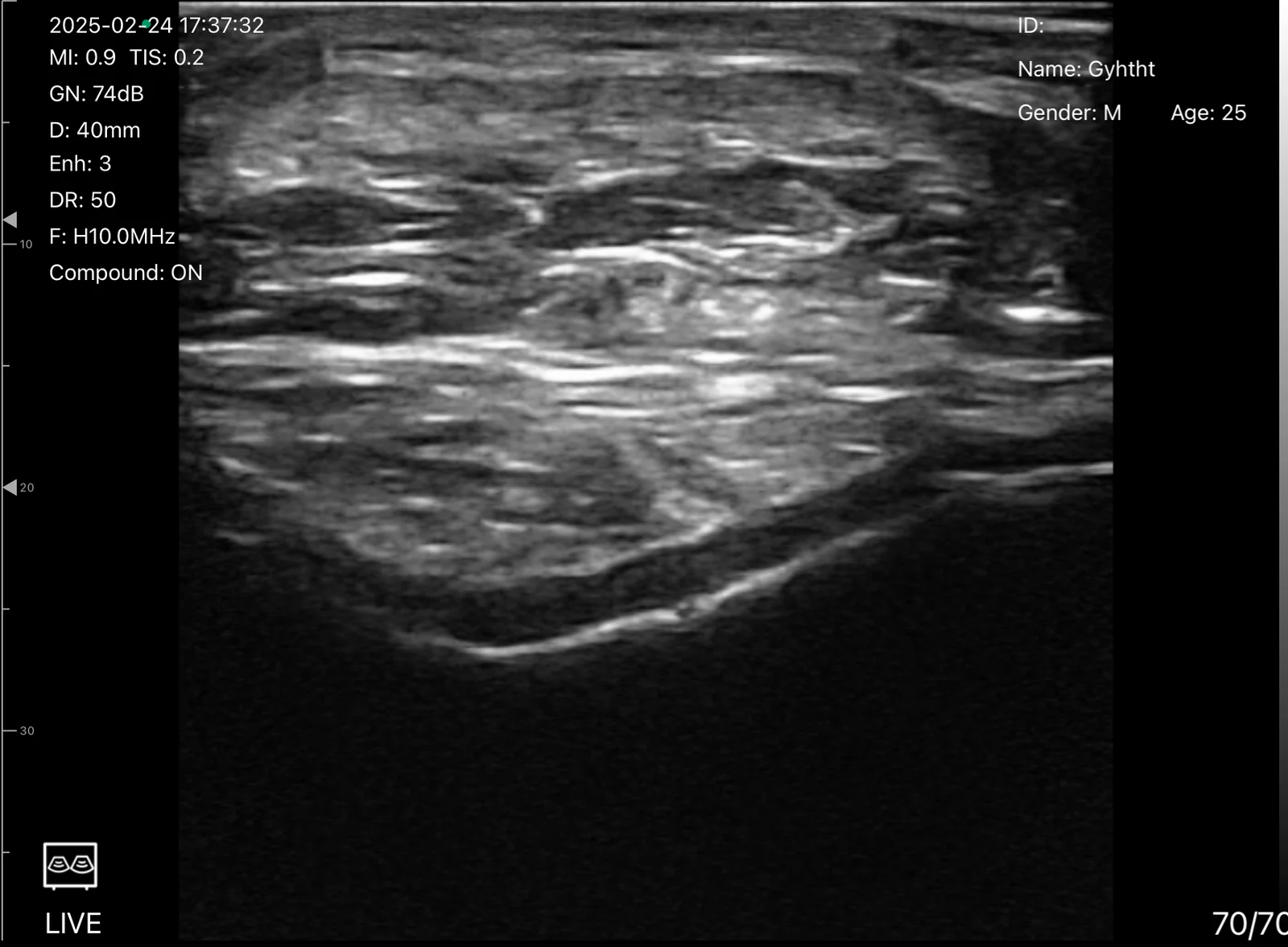
The capture atlas
Nine real MSK windows, captured on Suresult handhelds
Unedited clinical captures · select any image to enlarge
Foot and ankle3 windows
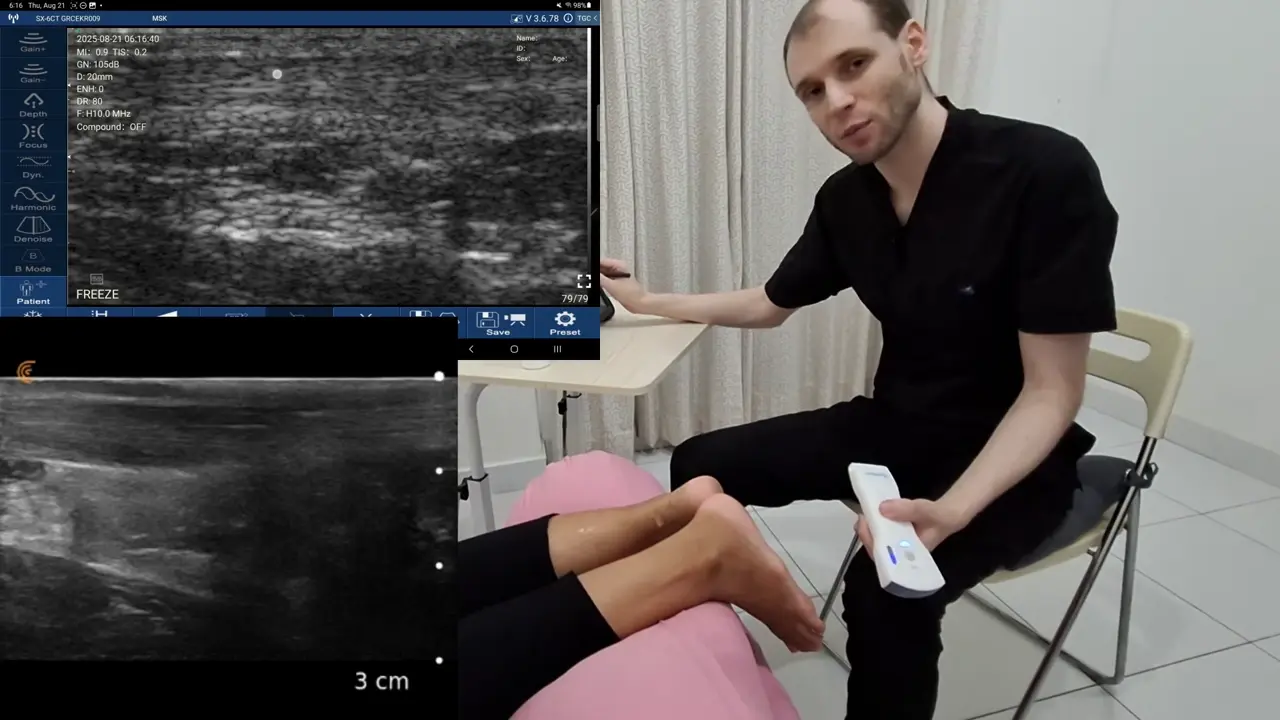
Achilles tendon in long axis
The fibrillar pattern of the Achilles runs the length of the screen, with the calcaneal insertion at one end. Thickness and fiber disruption are the two things this view answers.
recorded by physician reviewer Brandon Ramakko on a Suresult handheld, MSK preset with the header reading GN: 105dB, D: 20mm, DR: 80, F: H10.0 MHz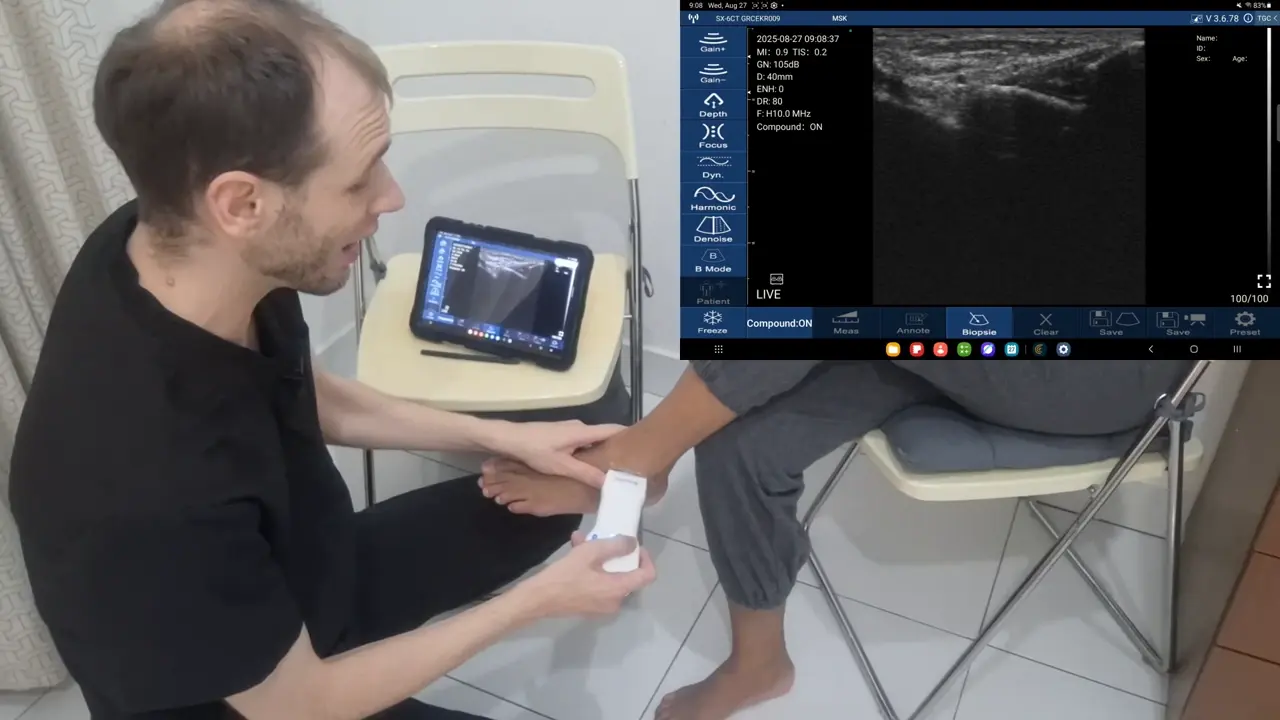
ATFL after a lateral ankle sprain
The anterior talofibular ligament is imaged between the fibula and the talus, the ligament that fails in an inversion sprain. A torn ATFL loses its taut fibrillar line.
recorded by physician reviewer Brandon Ramakko on a Suresult handheld, published as a POCUS teaching scan of the ATFL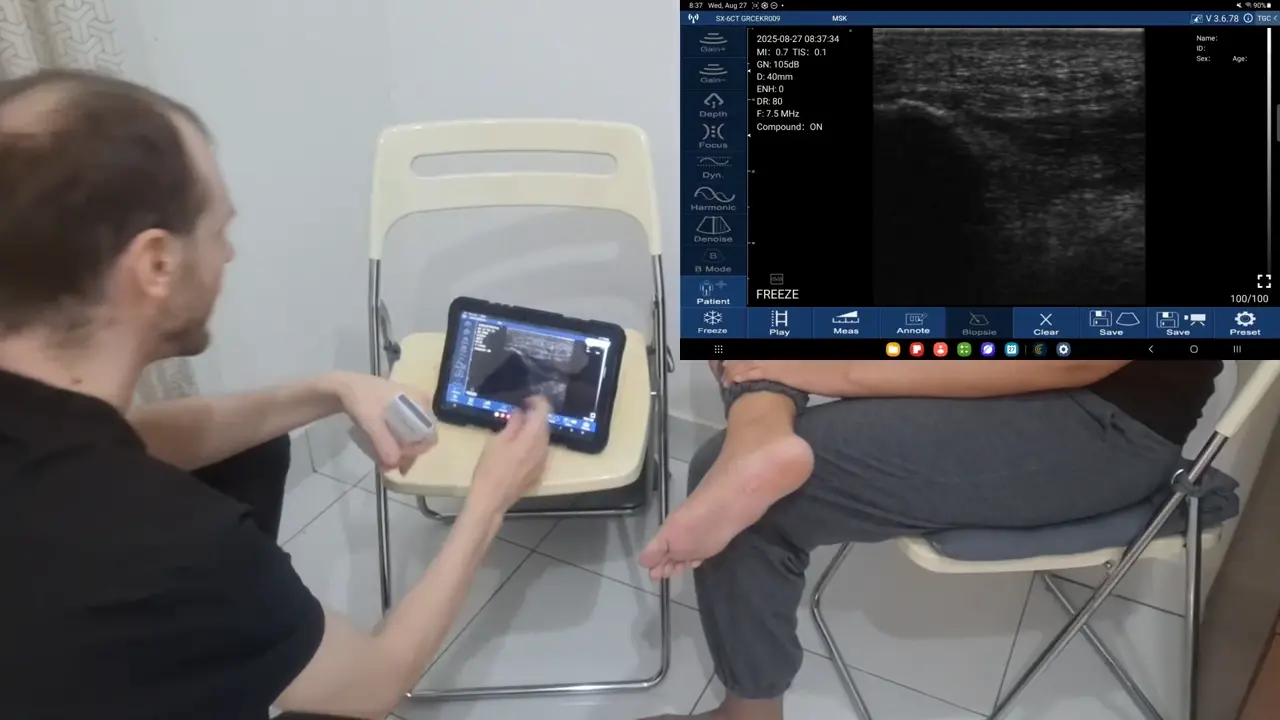
Plantar fascia at the calcaneal origin
The plantar fascia is measured where it leaves the calcaneus, the site that thickens in plantar fasciosis. A caliper on the app puts a number on the thickness.
recorded by physician reviewer Brandon Ramakko on a Suresult handheld, published as a plantar fasciitis and fasciosis evaluationElbow2 windows
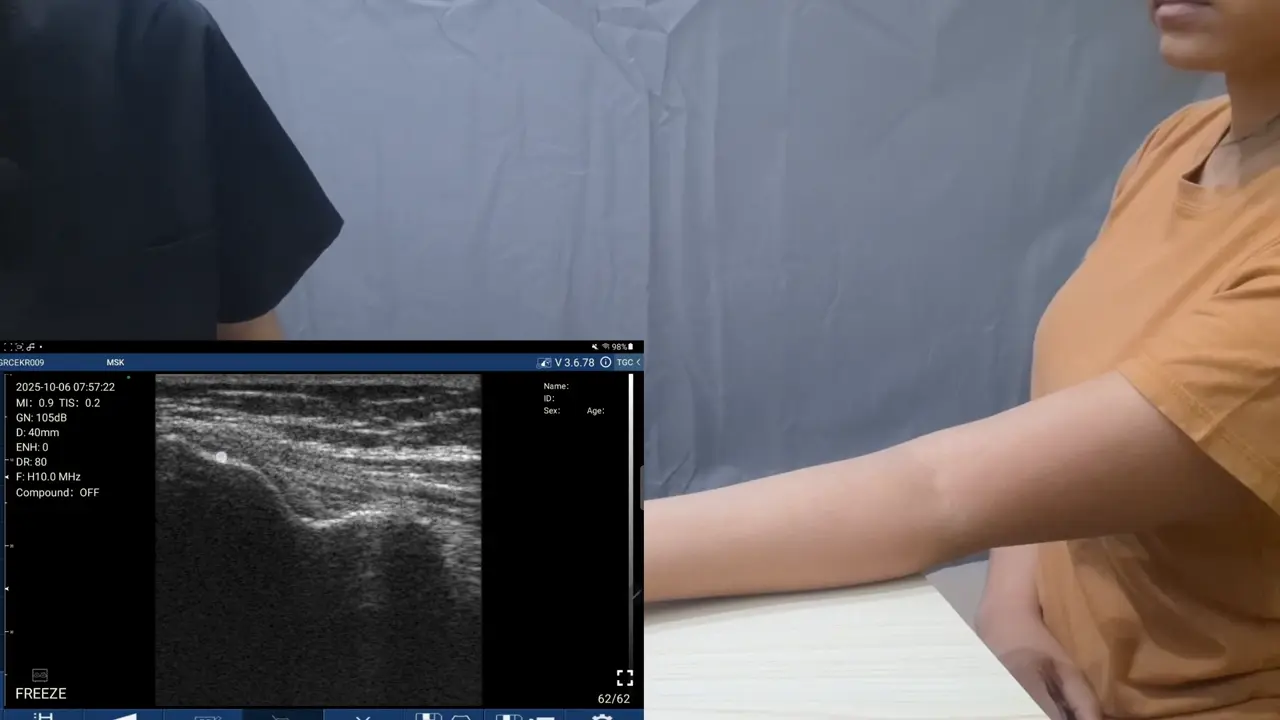
Medial elbow in golfer's elbow
The common flexor origin at the medial epicondyle is the target in medial epicondylitis. The scan separates tendon thickening from a partial tear at the bone interface.
recorded by physician reviewer Brandon Ramakko on a Suresult handheld, header reading 40 mm depth, 10.0 MHz, gain 105 dB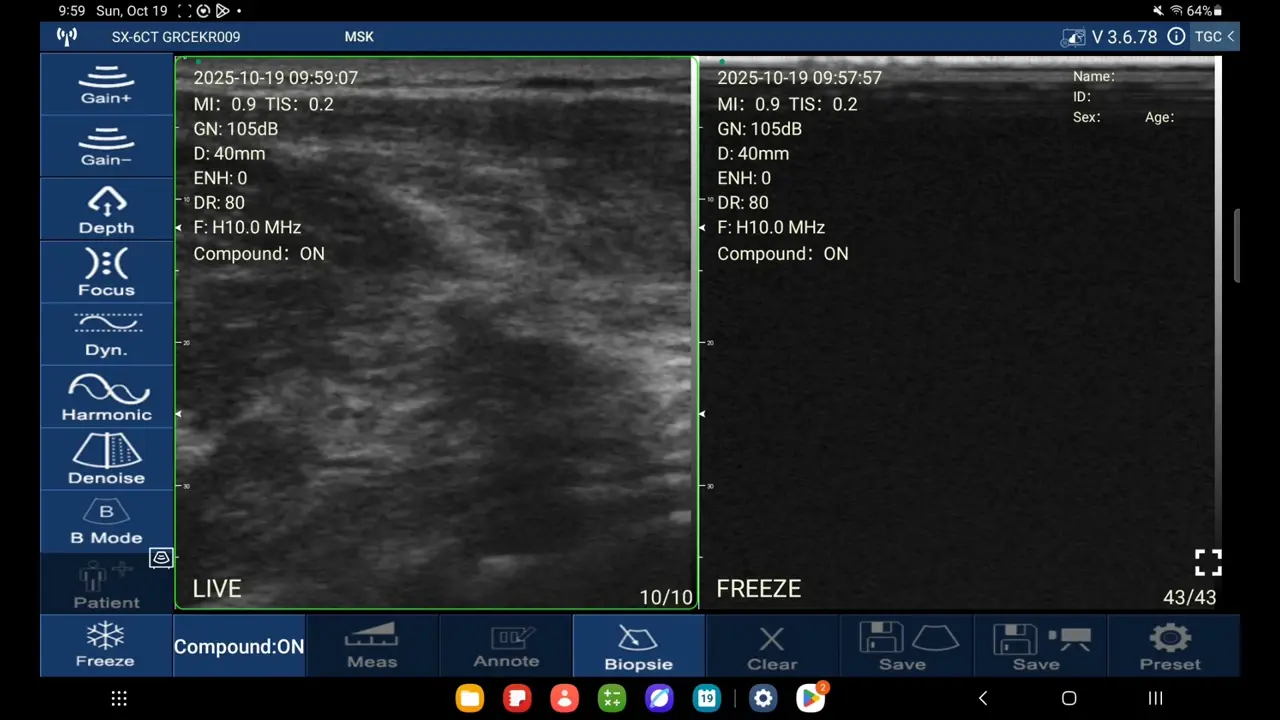
Elbow UCL, live beside a frozen frame
The ulnar collateral ligament is the throwing athlete's ligament, and the app shows the live image next to a frozen one for direct comparison. Dynamic valgus stress can be applied while scanning.
recorded by physician reviewer Brandon Ramakko on a Suresult handheld, MSK preset, 40 mm depth, 10.0 MHz, dynamic range 80Wrist and hand2 windows
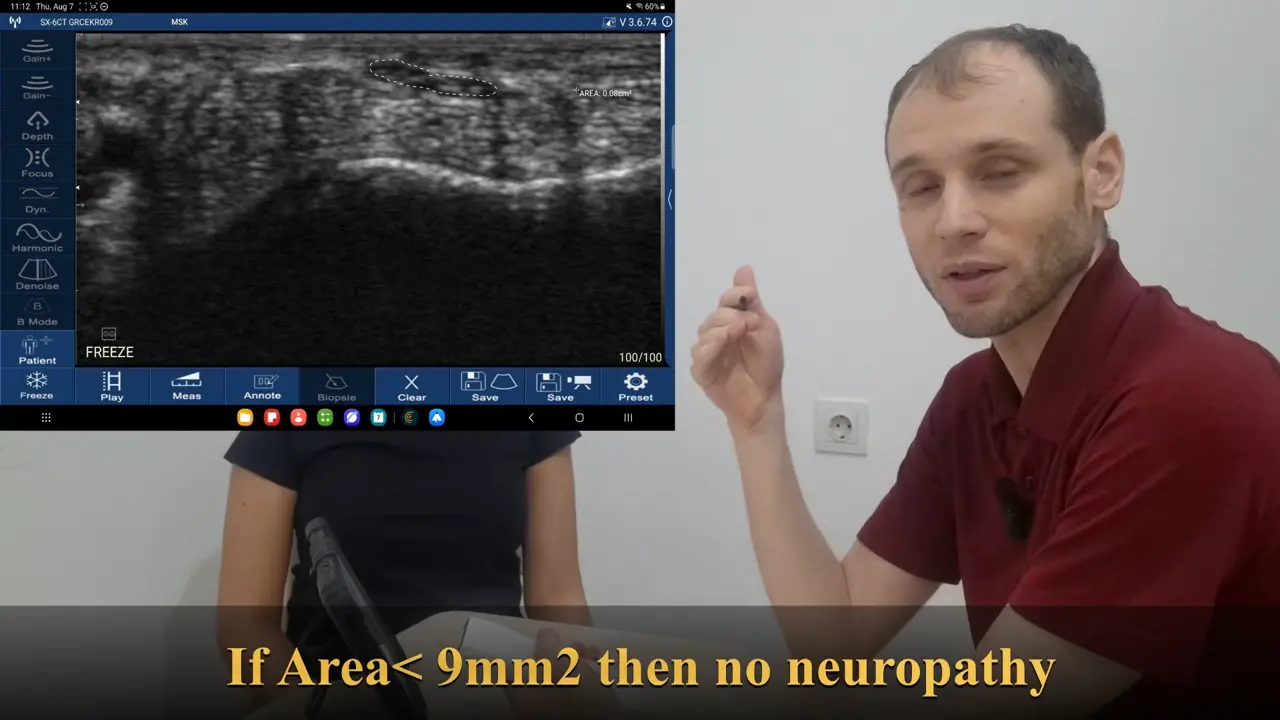
Median nerve at the carpal tunnel
The median nerve sits as a honeycomb oval above the flexor tendons, between the scaphoid and the pisiform. Cross-sectional area at the tunnel inlet is the measurement that matters.
recorded by physician reviewer Brandon Ramakko on a Suresult handheld, published as a carpal tunnel syndrome evaluation with an on-screen anatomy key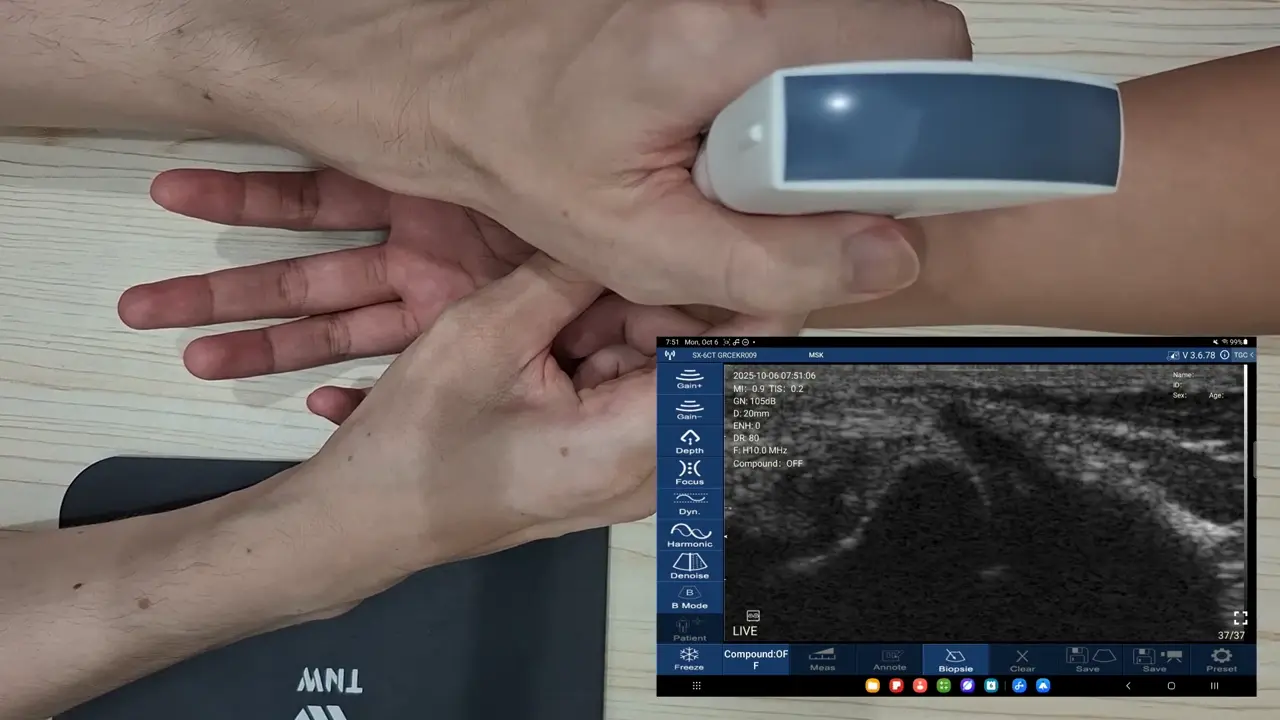
Scaphoid at the radial wrist
The scaphoid cortex is followed for a step, a gap or an overlying hematoma after a fall on the outstretched hand. Ultrasound is used here when the first radiograph reads normal.
recorded by physician reviewer Brandon Ramakko on a Suresult handheld, published as a scaphoid fracture scanKnee and injection planning2 windows
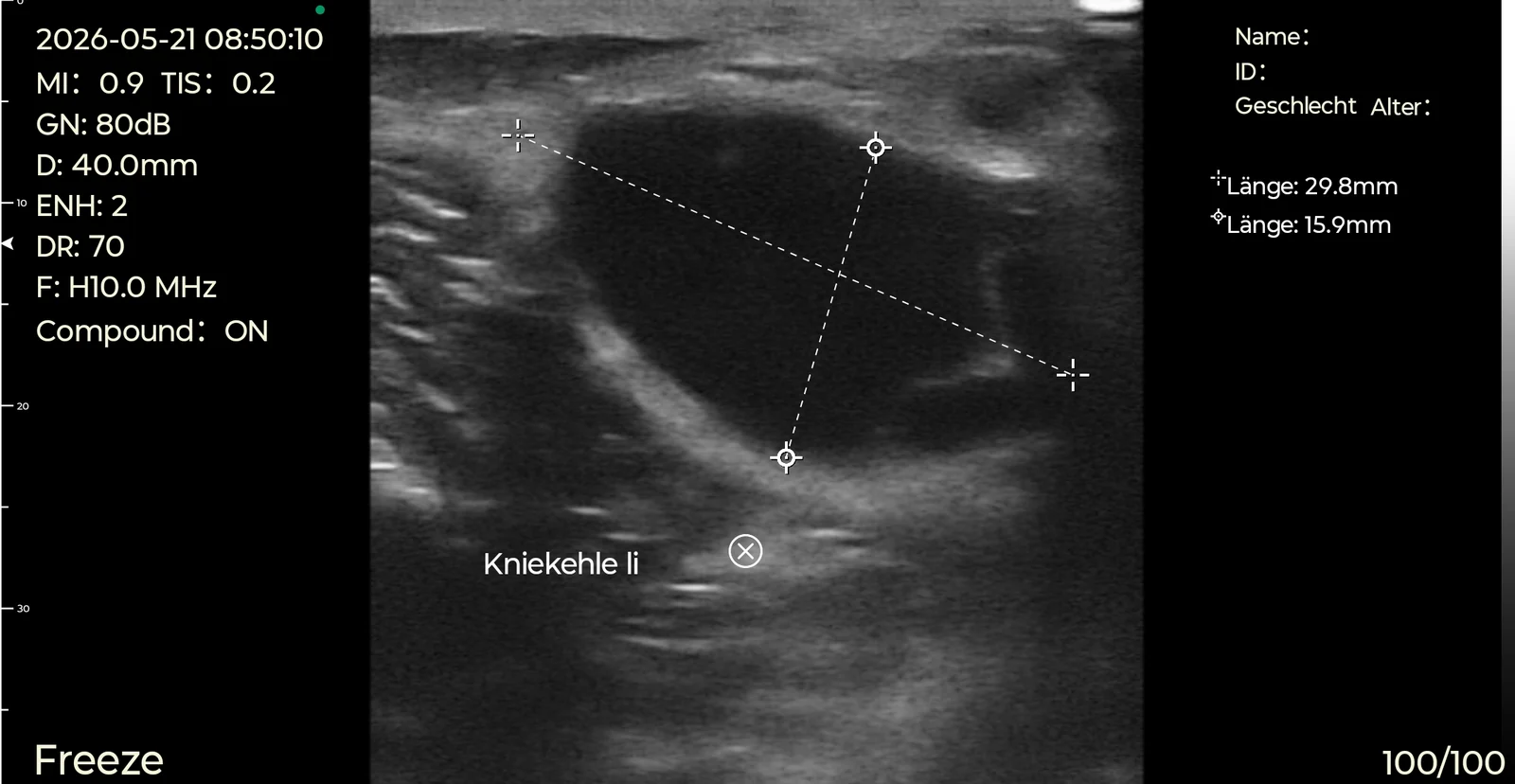
Popliteal cystic structure, measured on a D3Ultra
A German buyer labeled this frame Kniekehle li, the left popliteal fossa, and measured the anechoic structure at 29.8 mm by 15.9 mm. The header reads 10.0 MHz at 40 mm depth.
buyer capture on a D3Ultra, gain 80 dB, dynamic range 70, compound imaging on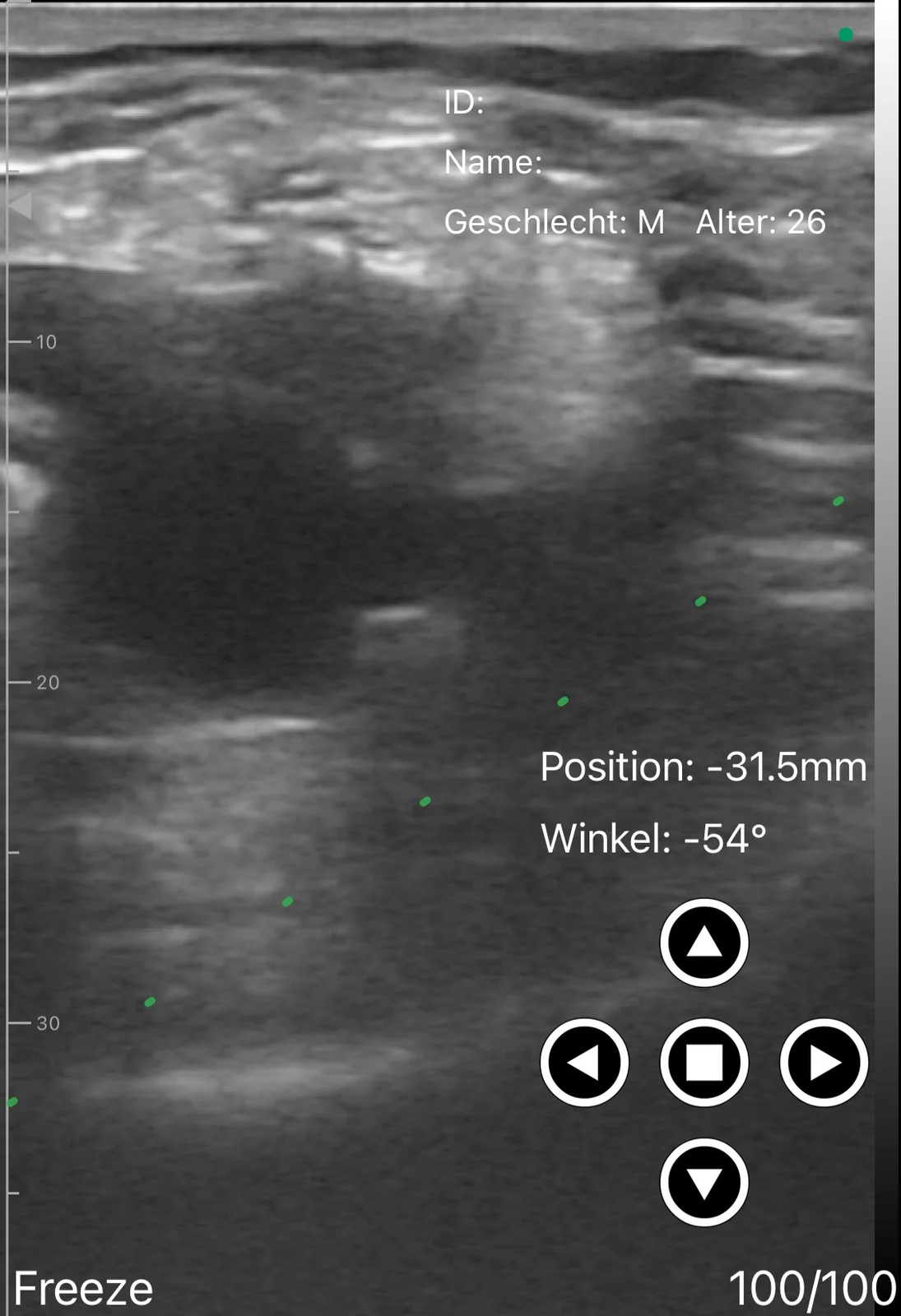
Puncture guide at the posterior knee
The dotted guide line crosses the tissue planes with Position -31.5 mm and Winkel -54 degrees printed beside it. The buyer used this view for an IPACK block behind the knee.
buyer capture on a D3Ultra, on-screen needle guide with position and angle readoutSelect a card to switch capture
Technique basics
How the exam comes together, probe to report
- Start with a high-frequency linear head.
Most MSK targets sit within 40 mm of the skin. A linear array at 10 MHz or higher resolves tendon fibers and nerve fascicles that a convex head blurs.
Linear, 10/14 MHz or 16/20 MHz - Select the MSK preset and 40 mm of depth.
The MSK preset opens with compound imaging on. Bring depth down toward 20 mm once the tendon or nerve fills the near field, and raise gain for a deep hip target.
D: 40 mm, F: H10.0 MHz on the app header 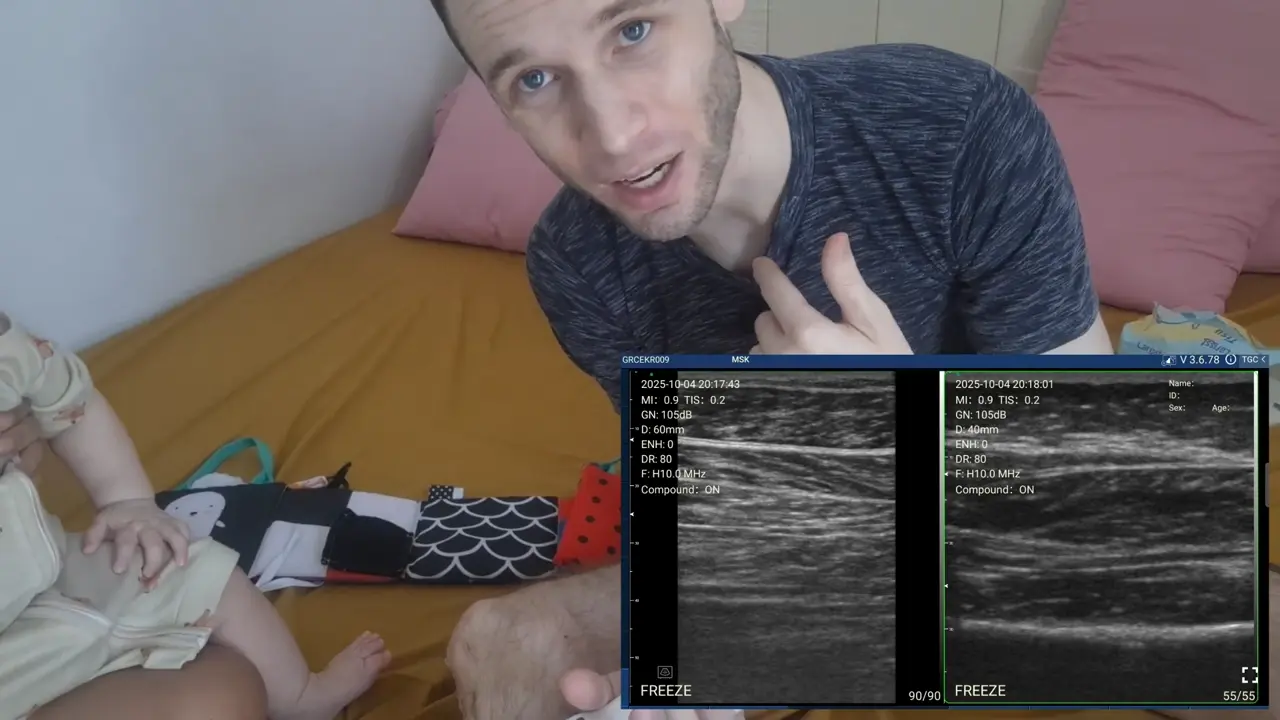 Scan the healthy side and freeze the comparison.
The app holds one image live beside a frozen frame. Asymmetry is what separates a thickened tendon from a thick tendon, and the comparison stays on screen while scanning.
LIVE and FREEZE side by side- Plan the needle before it moves.
The puncture guide draws the trajectory with a position and an angle on screen. Color Doppler marks the vessel to avoid, and needle enhancement brightens the shaft in plane.
Position and angle printed on the guide line
What the research says
The evidence, three studies checked
- Ultrasound was accurate for full-thickness rotator cuff tears.
A 2015 meta-analysis reported sensitivity and specificity above 0.90 for ultrasound, MRI and MR arthrography in full-thickness rotator cuff tears.
Roy et al., Br J Sports Med 2015 - Ultrasound guidance placed more joint injections accurately.
In 184 patients with inflammatory arthritis, a trainee using ultrasound guidance placed 83% of joint injections accurately, against 66% for senior rheumatologists guided by clinical examination.
Cunnington et al., Arthritis Rheum 2010 - A pocket-sized handheld identified shoulder pathology.
In 10 patients referred for shoulder ultrasound, two independent reviewers reading pocket-sized handheld images matched the standard ultrasound diagnosis in 7 and 8 cases.
Lau et al., Clin J Sport Med 2020
Pick your model
Pick the model that fits your day
MOST CHOSEN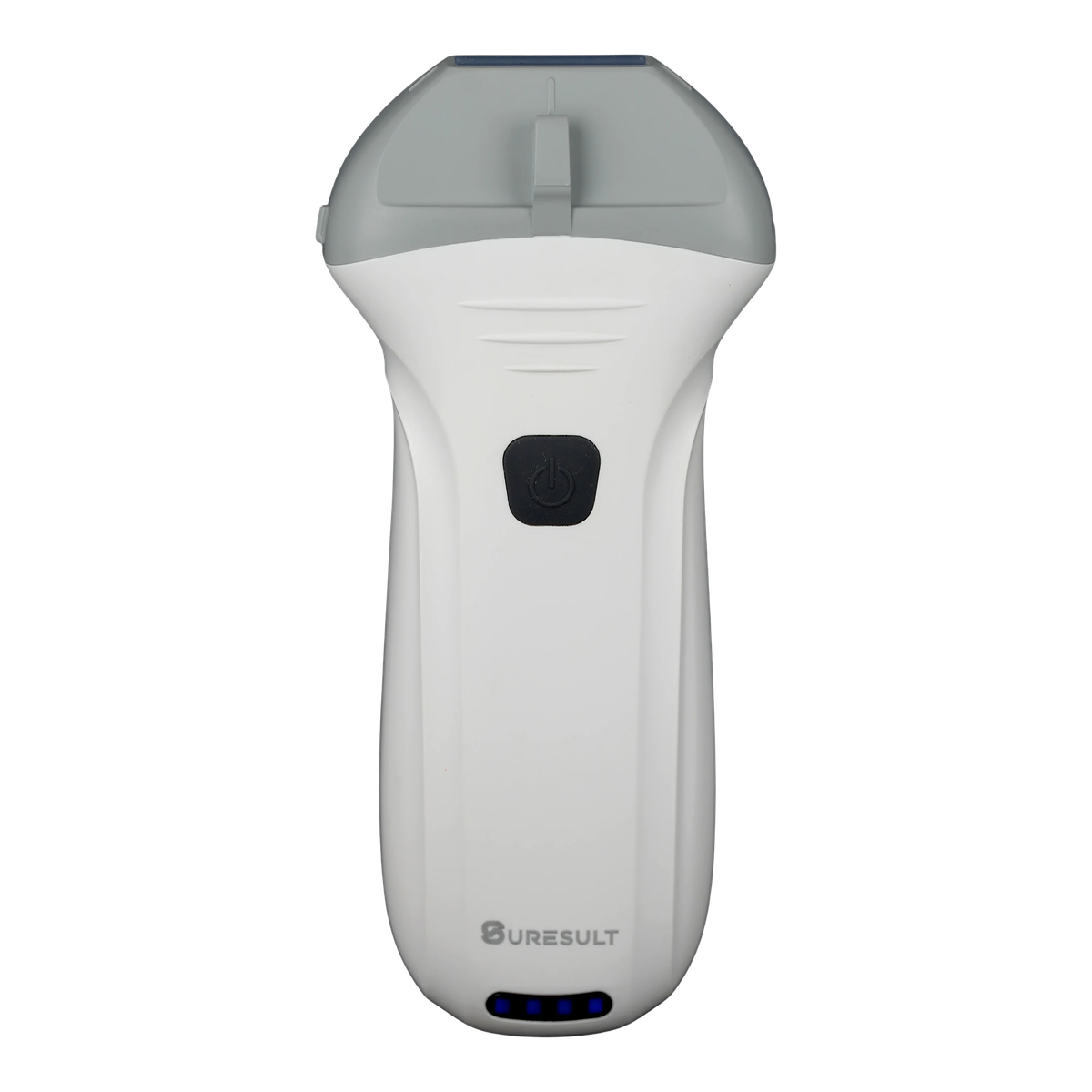 Sports medicine and orthopedicsL14Pro
Sports medicine and orthopedicsL14ProThe L14Pro runs 10/14 MHz with depth steps to 80 mm, so the Achilles and the rotator cuff sit on the same head. It carries 256 elements, 64 channels and a 4-hour scanning battery.
80 mm at 14, one probe
$3,441 L14Pro · 10/14 MHz 256-Element Linear Ultrasound Probe for MSKBuy nowView L14Pro →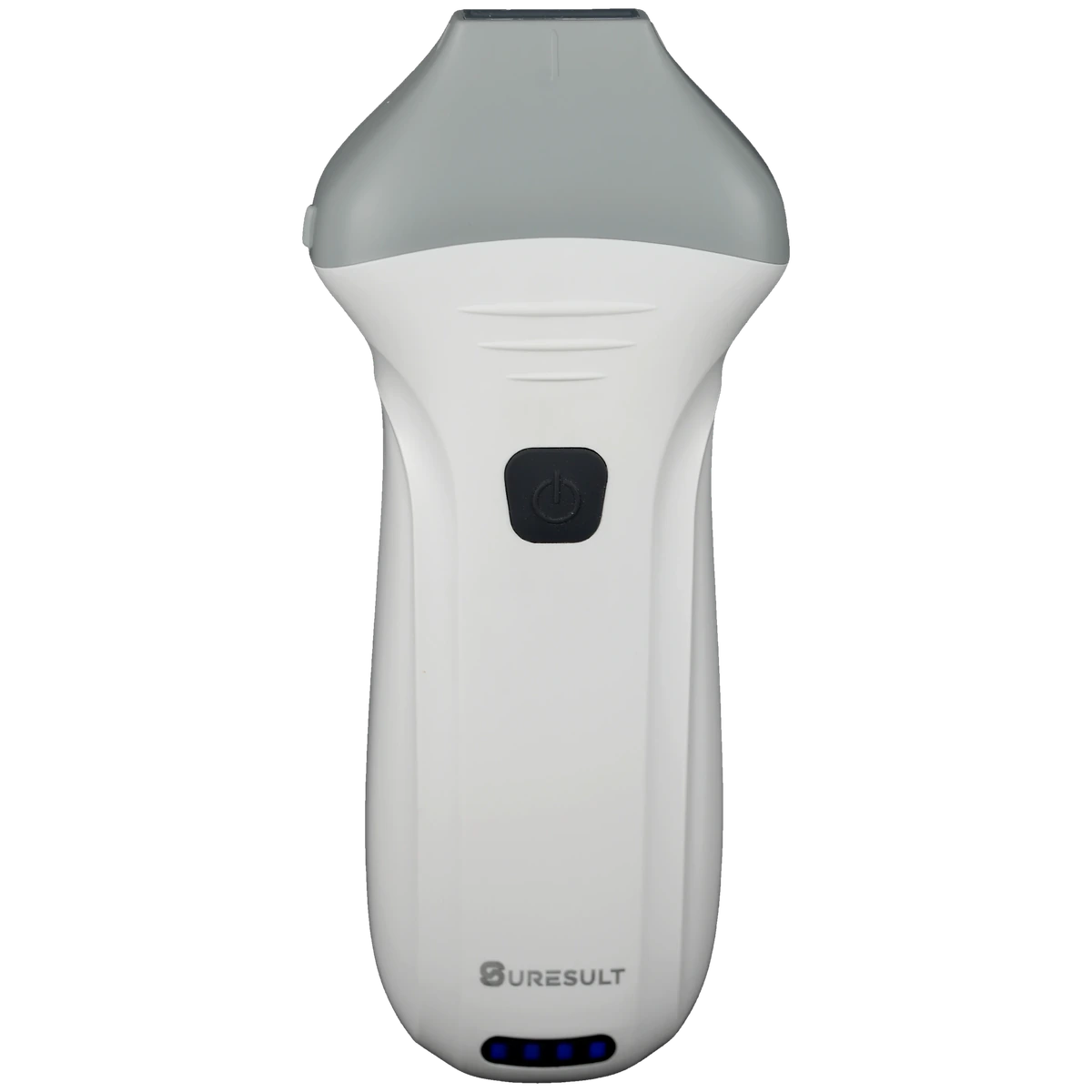 Superficial tendon and nerve detailL20Pro
The L20Pro runs 16/20 MHz across depth steps from 10 mm to 40 mm, which is the range for small-joint capsules, finger tendons and superficial nerves. Needle enhancement is included.
16/20 MHz to 40, highest frequency
$3,720 L20Pro · 16/20 MHz High-Frequency Linear Ultrasound for Aesthetics, Skin & Superficial MSKBuy nowView L20Pro →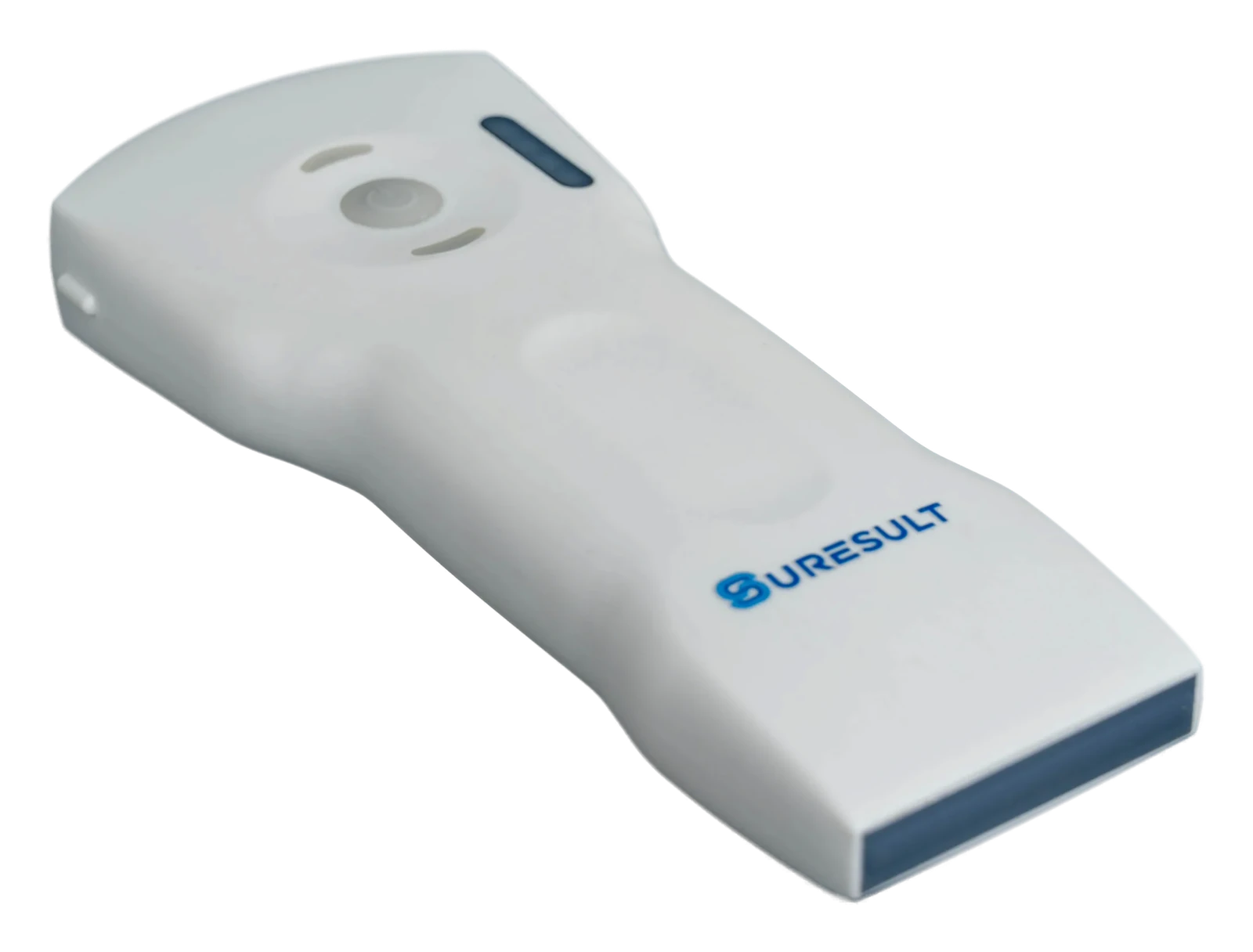 MSK is one exam among severalD3Ultra
The D3Ultra carries a 7.5/10 MHz linear head to 100 mm plus a convex head to 300 mm. A deep hip or an abdomen sits on the same probe, and both buyer captures in the atlas came off this model.
linear plus convex, two heads
$2,976 D3Ultra · Convex Linear Phased Multipurpose Handheld UltrasoundBuy nowView D3Ultra →Scanner comparison
Eight Suresult models for MSK, compared on frequency and depth
Swipe to see all columns →
| Model | Price | Frequency | Depth | Best for |
|---|---|---|---|---|
| L14Pro | $3,441 | Linear 10/14 MHz | 20/40/60/80 mm | MSK first pick: 256 elements, 64 channels, 4-hour battery |
| L20Pro | $3,720 | Linear 16/20 MHz | 10/20/30/40 mm | Superficial tendon and nerve detail at 256 elements |
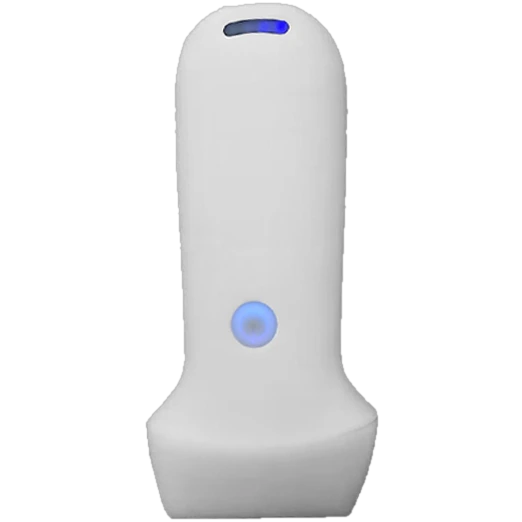 L10SH L10SH | $3,534 | Linear 7.5/10 MHz | 20/40/60/100 mm | Deeper linear reach with a 40 mm footprint |
| D3Ultra | $2,976 | Linear 7.5/10 MHz plus convex 3.2/5.0 MHz | Linear 20-100 mm, convex 90-300 mm | MSK alongside abdomen and lung on one probe |
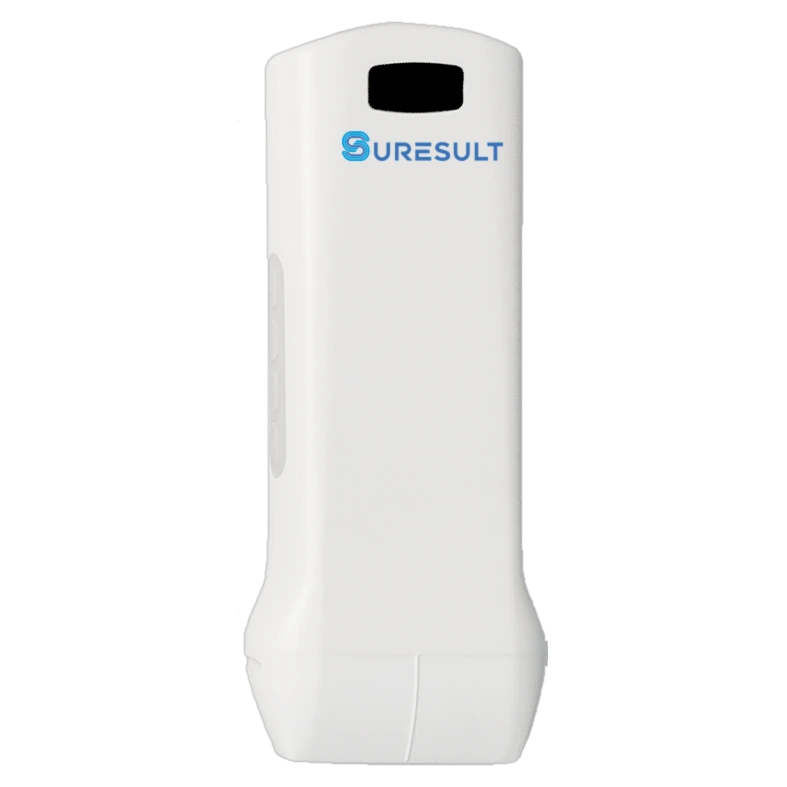 L10H L10H | $2,325 | Linear 7.5/10 MHz | 20/40/60/100 mm | Visualized needle guidance and a 5-hour battery |
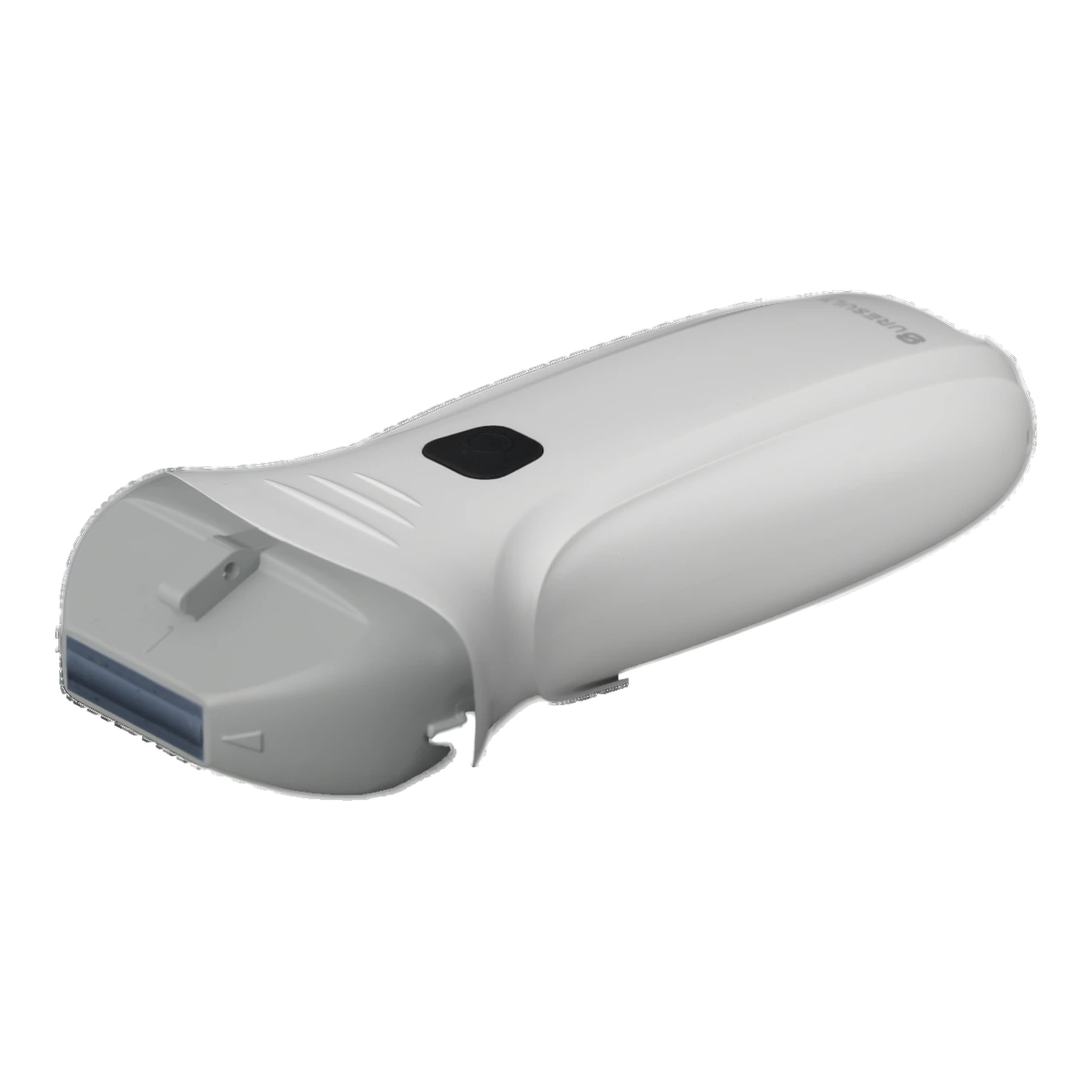 L14 L14 | $2,139 | Linear 10/14 MHz | 20-80 mm | Entry into 10/14 MHz at 192 elements |
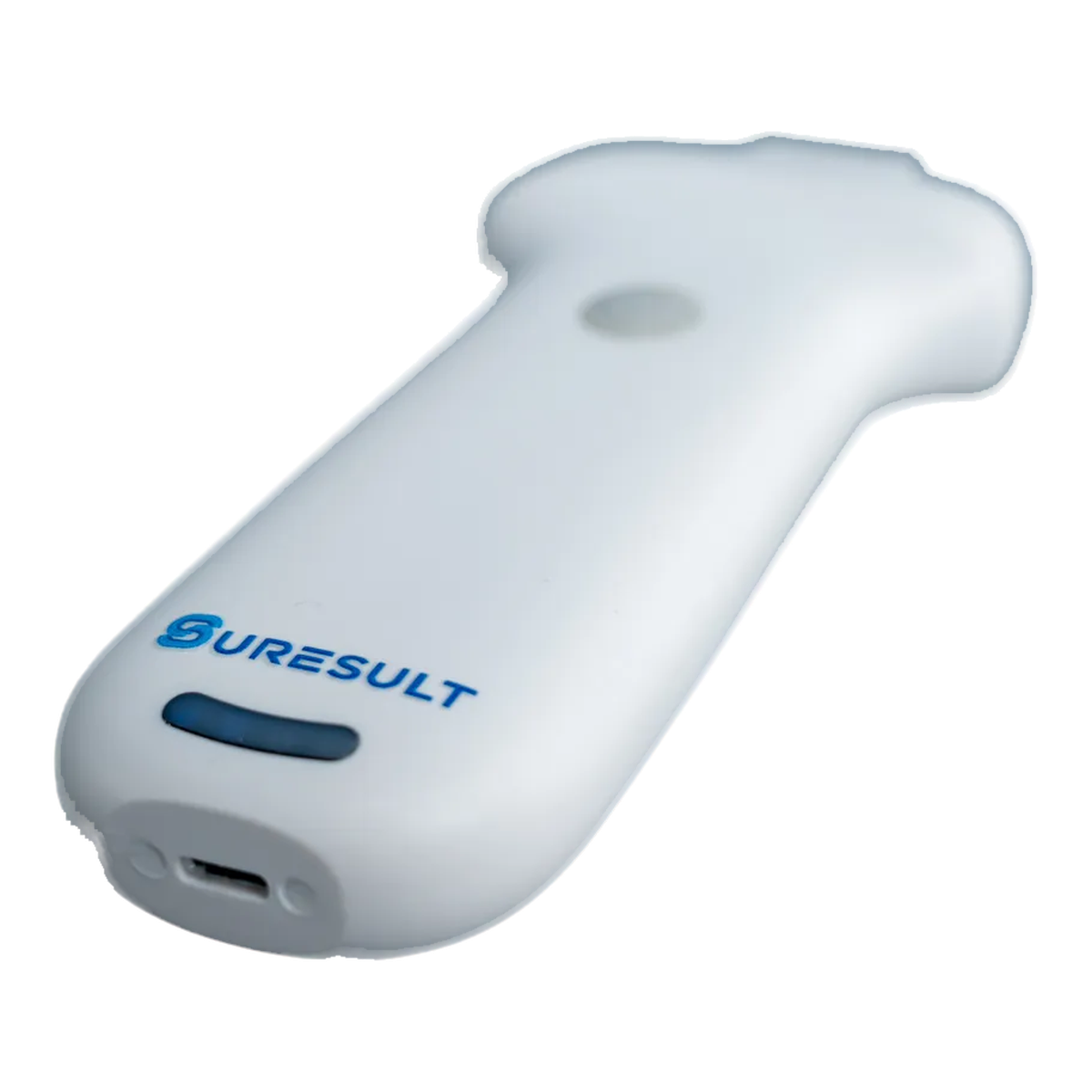 L20 L20 | $2,790 | Linear 16/20 MHz | 10/20/30/40 mm | Entry into 16/20 MHz at 192 elements |
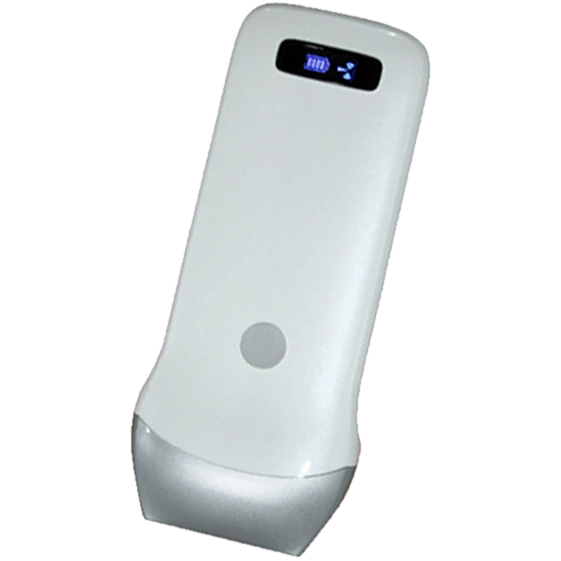 L7.5 L7.5 | $1,209 | Linear 7.5/10 MHz | 40-100 mm | B-mode and power Doppler only, 80 elements, 40-100 mm reach |
Against the known brands
Suresult vs Clarius L15 HD3, Butterfly iQ3 and GE Vscan Air CL for MSK ultrasound
Swipe to see all columns →
| Suresult | Clarius L15 HD3 | Butterfly iQ3 | GE Vscan Air CL | |
|---|---|---|---|---|
| MSK imaging | 10/14 MHz to 80 mm on the L14Pro; 16/20 MHz to 40 mm on the L20Pro; 256 elements on both | 5-15 MHz linear, 7 cm maximum depth | 1-12 MHz single probe; MSK and MSK Soft Tissue presets run 1-12 cm | Linear array 3-12 MHz to 8 cm, curved array 2-5 MHz to 24 cm |
| Needle work | In-plane, out-of-plane, grid and flip puncture guides on every linear model; needle enhancement on the L14Pro, L20Pro, L10SH, L10H, L20 and D3Ultra | Advanced software sits inside the Clarius Essentials annual membership | Power Doppler and pulsed-wave Doppler require the Advanced plan; DICOM integration is a separate purchase | Digital Tools are added to the device separately |
| Side-by-side compare | Live image and frozen frame held on screen together, with 8-segment time gain compensation on the Doppler models | Feature set varies by membership tier | Feature set varies by membership tier | Feature set varies by license |
| Device price | $2,139 to $3,720 across the Doppler linear models, published | $3,795 published | $3,899 published | Starting at $4,999 published |
| Subscription | None. Software, measurements, DICOM export and each model's Doppler modes are included. | Clarius Essentials $695 per year | Core $299 per year, Advanced $420 per year, or $1,500 once for five years | Digital Tools sold separately from the device |
| Landed cost | Duties and shipping included, delivered in 1-7 days | US list price; duties and shipping extra outside the US | US list price; duties and shipping extra outside the US | US list price; duties and shipping extra outside the US |
| Platforms | iOS, Android and Windows | iOS and Android | iOS and Android | iOS and Android |
| Regulatory registrations | FDA 510(k) · ISO 13485 · EU MDR (CE) · TGA · ANVISA · Health Canada | FDA 510(k) | FDA 510(k) | FDA 510(k) |
Where Suresult wins
- Nine MSK windows on this page are real clinical scans, from the plantar fascia to the popliteal fossa.
- No subscription: the Doppler modes, needle guides, measurements and DICOM export ship with the scanner.
- Two frequency families cover MSK, 10/14 MHz for reach and 16/20 MHz for superficial detail.
- Every linear model carries in-plane and out-of-plane puncture guides, not an add-on package.
- The L14Pro and the L20Pro each hold 256 elements on 64 channels at 25 mm of footprint.
- The checkout price is the landed price, with duties and shipping included and delivery in 1-7 days.
- Suresult software runs on Windows as well as iOS and Android, with no per-seat fee.
- Suresult prices for every MSK model are published on the product page, so no quote form is needed.
The five-year math
Clarius lists the L15 HD3 at $3,795 and the Clarius Essentials membership at $695 per year, which reaches $3,475 in fees alone by year five. Butterfly's Advanced plan at $420 per year reaches $2,100 over the same period. The L14Pro carries no subscription.
L14Pro, paid onceClarius L15 HD3: scanner + membership= $3,475 in fees alone by year five
Three models, one decision
Not sure which model fits your cases?
One conversation gets a direct recommendation: the right Suresult probe, or a straight “neither.”
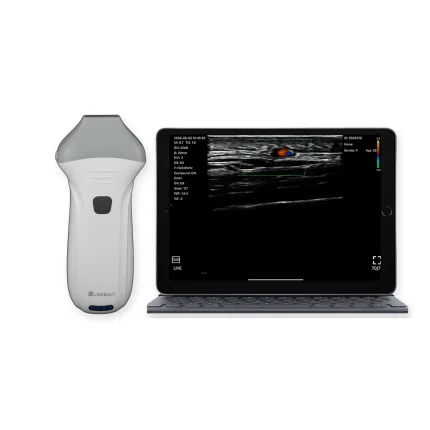
L20Pro
Suresult L20Pro High-Frequency Facial Ultrasound Probe – 16/20 MHz, 256 Elements, Wireless
Frequency: 16/20 MHz
Scanning Depth: 10/20/30/40 mm
Musculoskeletal (MSK) Medicine
buy scanner

L24Pro
L24Pro 18/24 MHz 256-Element Aesthetic Ultrasound Probe for Filler
Frequency: 18/24 MHz
Scanning Depth: 10/15/20/25mm
Musculoskeletal (MSK) Medicine
buy scanner

D3Ultra
D3Ultra Convex Linear Phased Multipurpose Handheld Ultrasound
Frequency: Convex / Phased Probe 3.2/5.0MHz Linear probe 7.5/10MHz
Scanning Depth: Linear: 20-100mm, Convex & Phased: 90-300mm
Musculoskeletal (MSK) Medicine
buy scanner




Expert Guidance
Talk to a Scanner Specialist
Tell Suresult about your daily workflow and get a personal scanner recommendation with an all-inclusive quote.
- Free scanner-fit consultation — probes, frequency and depth matched to your procedures
- All-inclusive quote — shipping, customs clearance and applicable taxes covered
- Fast delivery — ships within 24 hours, 1–7 days door to door
- No required software subscription — iOS, Android and Windows apps included
- 30-day returns and 24/7 support
Live chat opens right here — no forms, no waiting.
