
Chaque image sur cette page est non retouchée : vidéos acquises par des utilisateurs sur échographes de poche Suresult et captures de la bibliothèque de référence Suresult ·8 717 cliniciens nous font confiance →
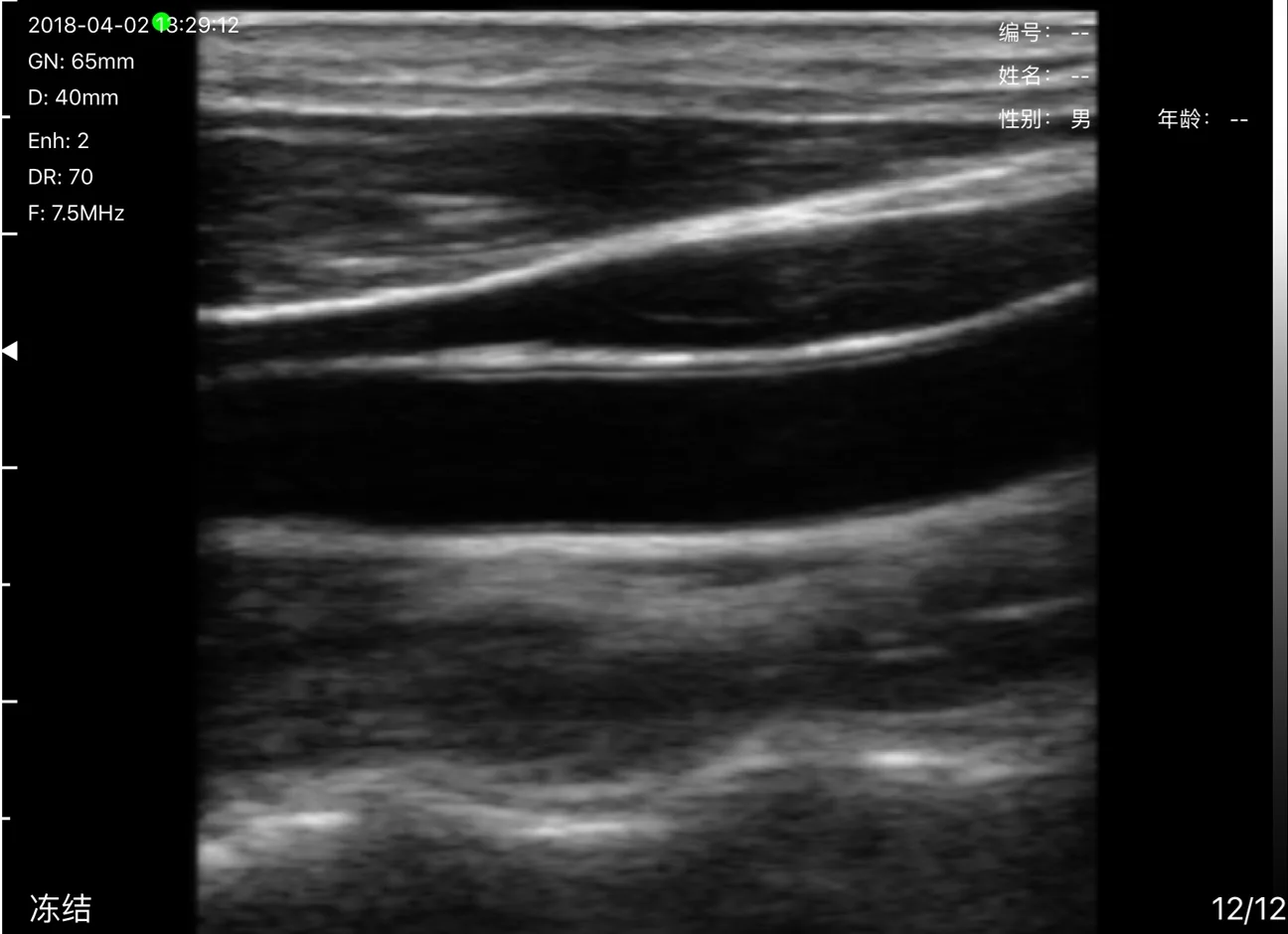
Sélectionnez une carte pour changer de capture
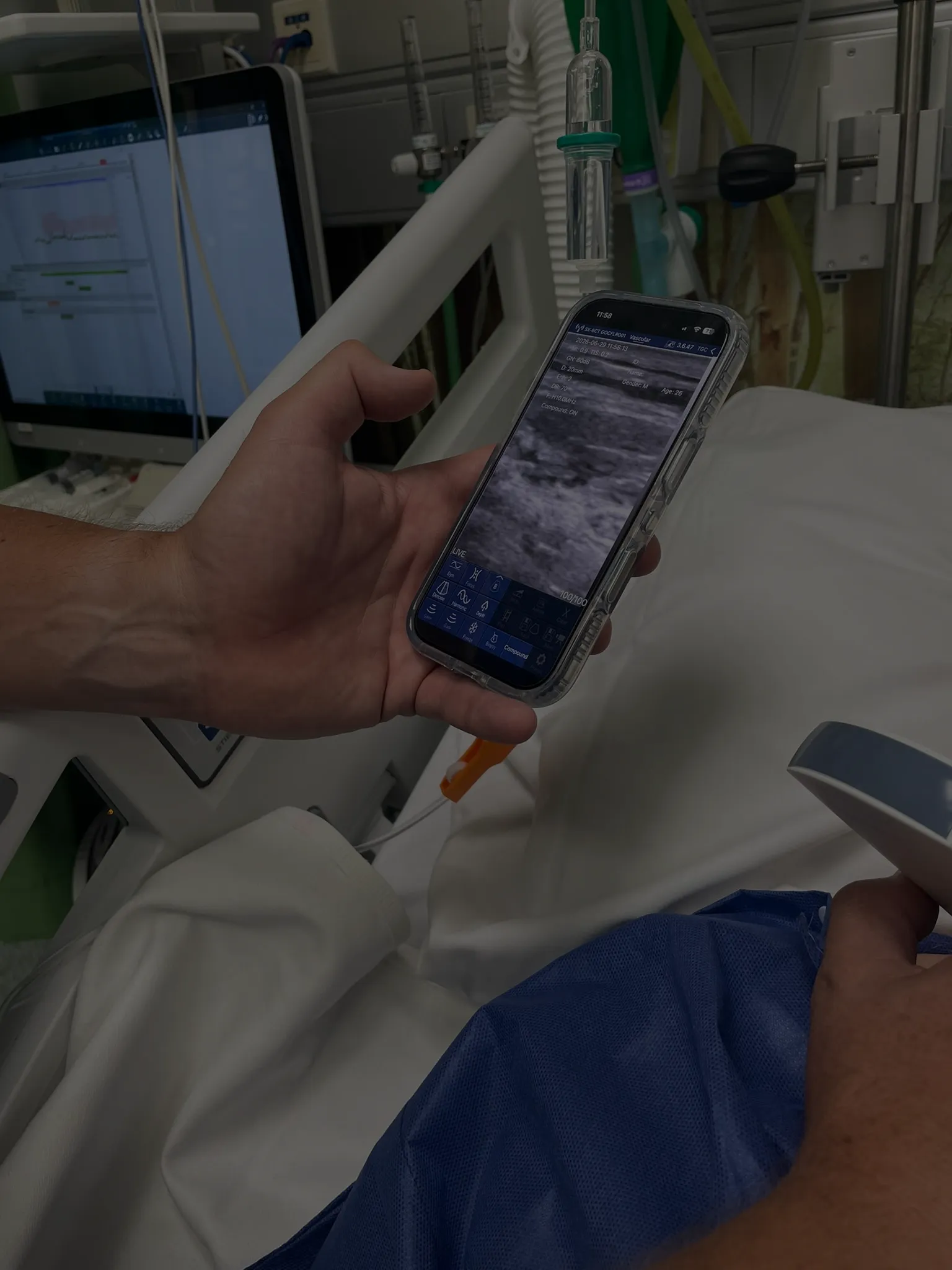
La séquence en perfusion clinique provient d'un utilisateur sur un L20 et le passage de l'aiguille est une capture D3Ultra ; les coupes carotide et basilique sont des échographies de la bibliothèque de référence Suresult.
Réponse rapide
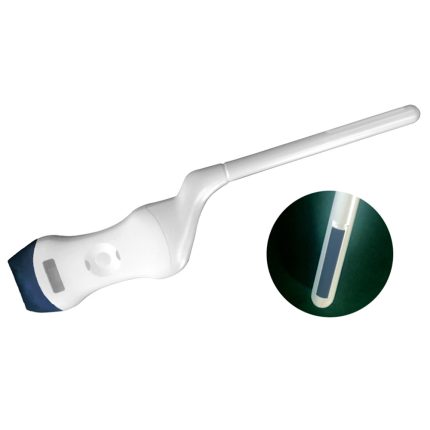
Un appareil d'échographie veineuse est un échographe linéaire haute fréquence utilisé pour repérer la veine, guider l'aiguille en temps réel et confirmer la pose de la voie.
- Passage petit axe / grand axe : veine centrée en petit axe, aiguille visible en grand axe
- Guides d’aiguille à l’écran : dans le plan et hors du plan, tracés sur l’imagerie en direct
- Doppler couleur : artère et veine identifiées avant la ponction
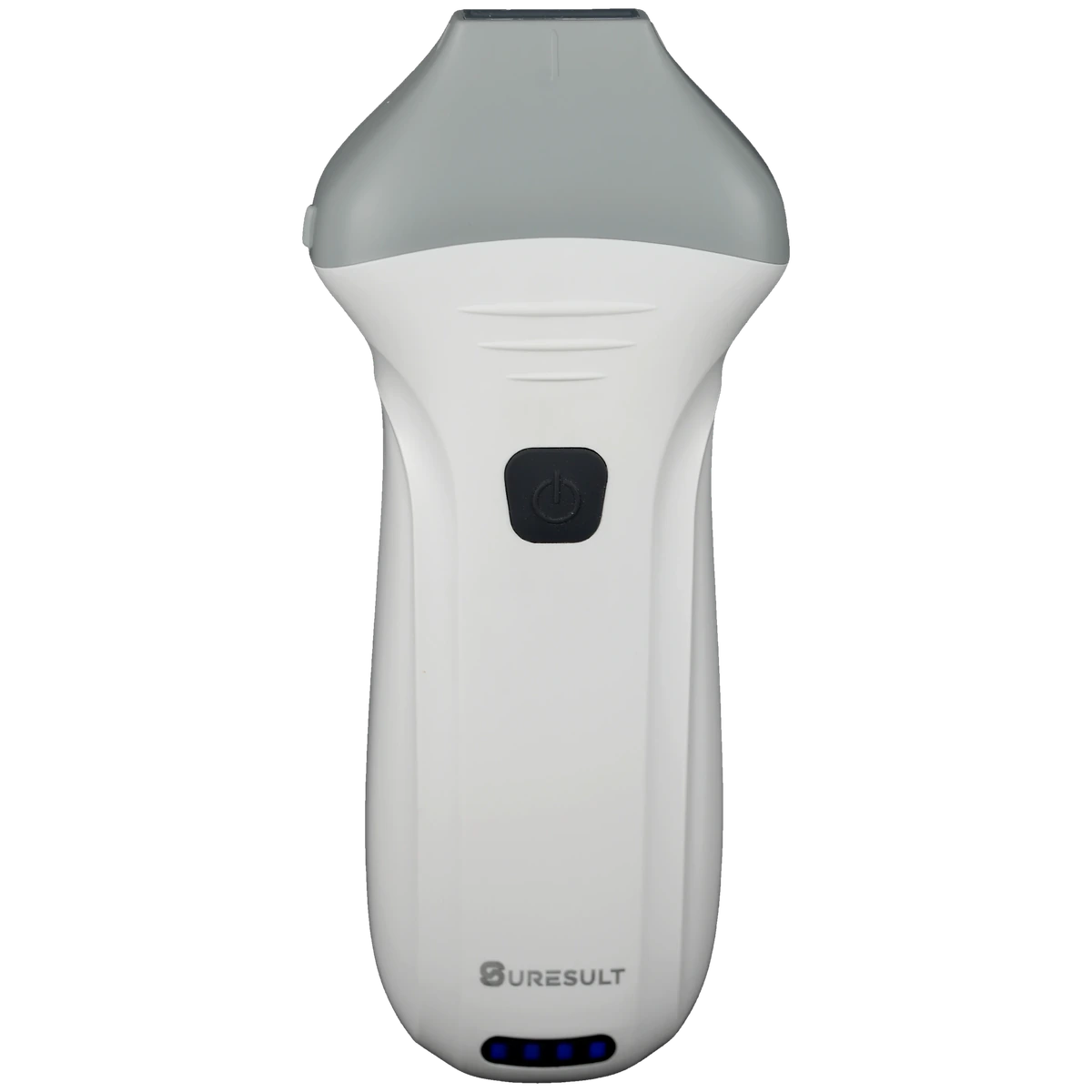
Ses usages au quotidien
Les quatre abords, sur un seul échographe de poche
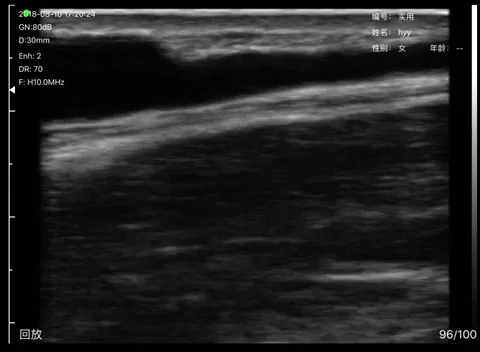
Voie veineuse périphérique, veines difficiles
Lorsque les veines ne sont ni palpables ni visibles, le 7.5/10 MHz affiche le réseau superficiel de l’avant-bras et la trajectoire d’insertion du cathéter.
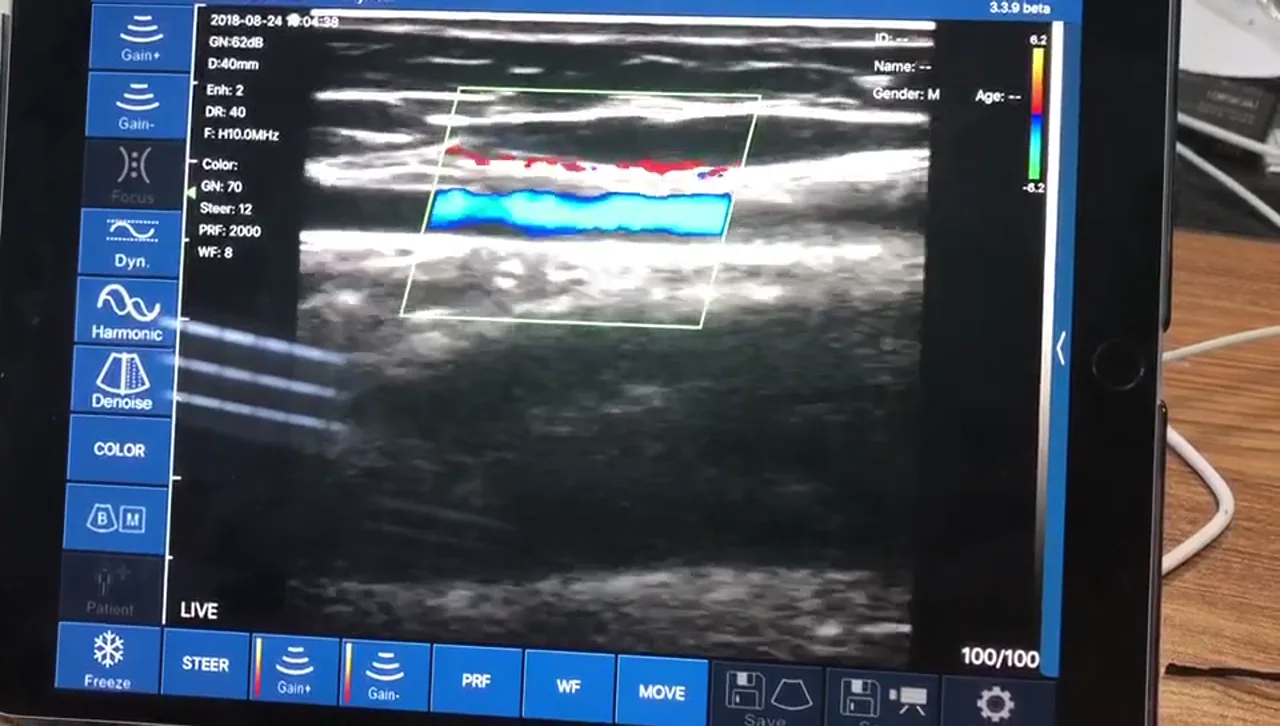
Pose de PICC et de midline
La veine basilique cartographiée avant la ponction : diamètre, profondeur et flux vérifiés avec le Doppler couleur, puis suivis en temps réel.
Voies centrales : accès jugulaire interne
La veine jugulaire interne aux côtés de la carotide sur une même coupe ; le Doppler confirme l’identité de chacune avant que l’aiguille ne bouge.
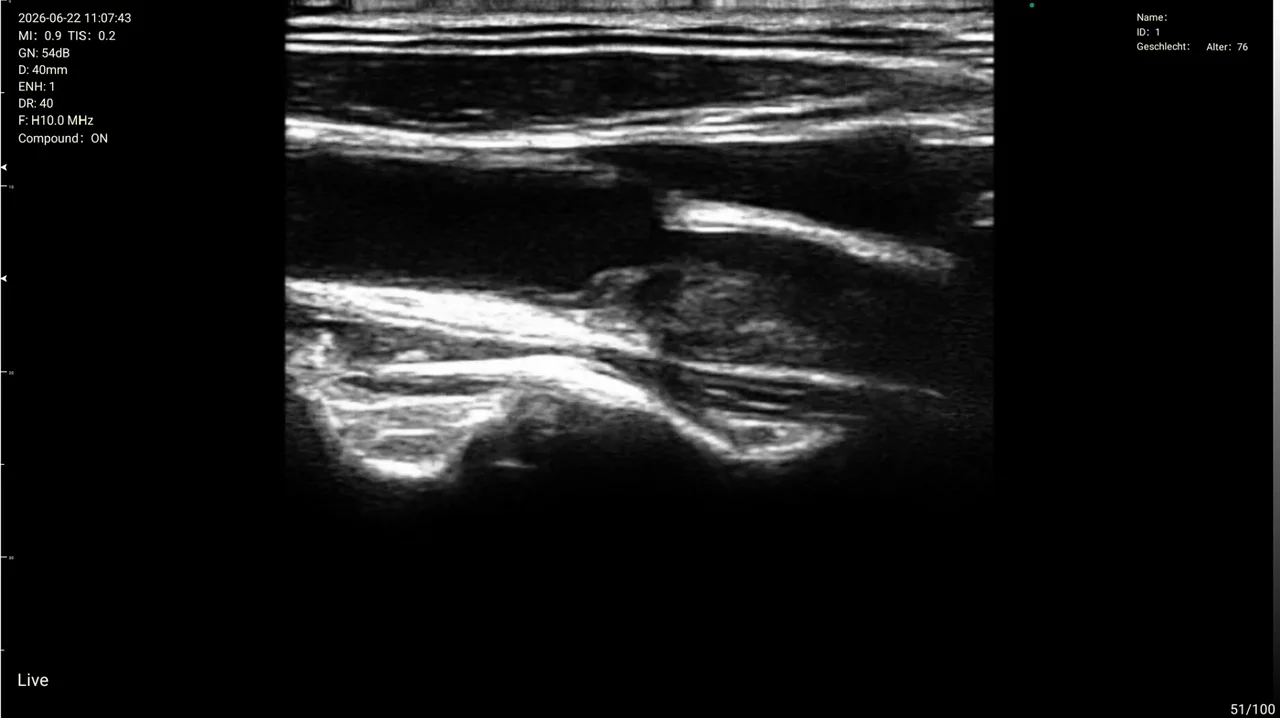
Visualisation de l'aiguille
Le guidage dans le plan maintient l’extrémité visible de la peau jusqu’à la lumière : la différence entre une ponction et trois.
Les bases de la technique
Comment se déroule un abord veineux échoguidé
- Repérage en petit axe.
Balayez l’avant-bras ; les veines se collabent sous une légère pression ; les artères pulsent et restent ouvertes.
Repérage de l’avant-bras - Confirmez le flux en couleur.
Un court contrôle au Doppler couleur distingue l'artère de la veine avant la pose du garrot.
Flux couleur, bibliothèque de référence Suresult - Progression en grand axe.
Pivotez de quatre-vingt-dix degrés pour que l’extrémité de l’aiguille reste visible de la peau jusqu’à la lumière.
Visualisation de l’aiguille en grand axe 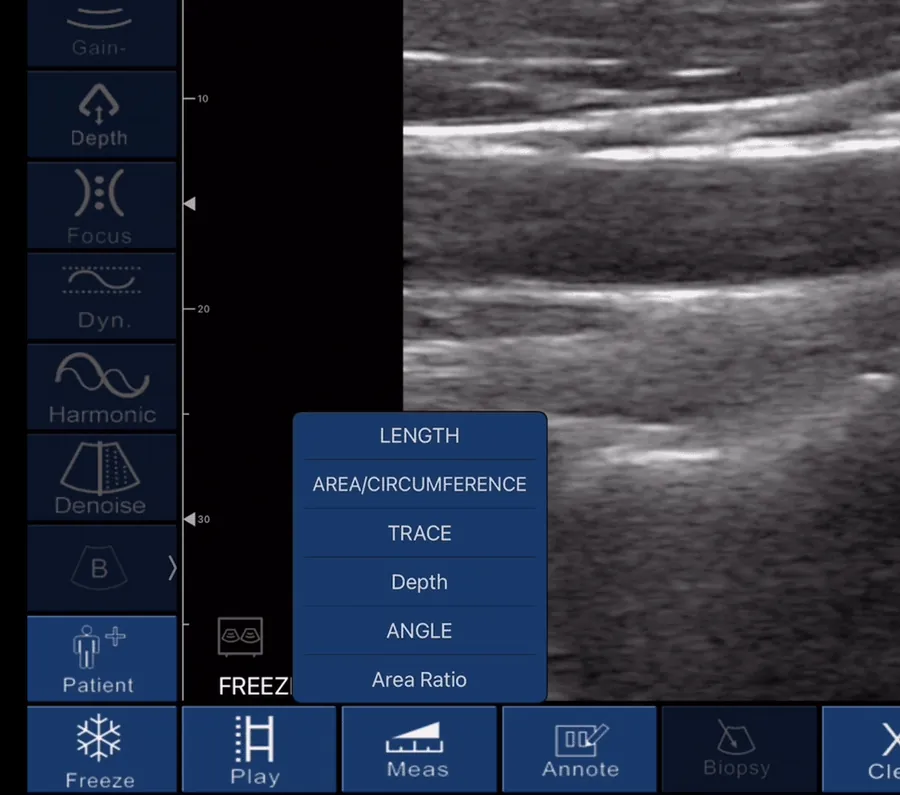 Geler, mesurer, documenter.
Le gel d’image en une touche avec calipers de profondeur et de diamètre documente le vaisseau pour la note de pose.
Calipers, sur l’application
Ce que dit la recherche
Les données probantes pour l'accès vasculaire échoguidé
- Recommandé par le NICE depuis 2002.
Les recommandations nationales britanniques préconisent l’échographie pour la pose de voie veineuse centrale jugulaire interne.
NICE TA49, 2002 - Taux de succès dès la première tentative accru.
Revue Cochrane : meilleur succès dès la première tentative et moins de complications qu’avec la technique par repères anatomiques.
Brass et al., Cochrane 2015 - Décisif pour les abords veineux difficiles.
Méta-analyse : succès supérieur pour les voies veineuses périphériques chez les patients avec un abord veineux difficile.
Stolz et al., J Vasc Access 2015
Retours d’acheteurs
Par ceux qui posent les voies
« Bien que nos infirmiers soient remarquables pour les poses de voies veineuses, certains patients ont des veines plus difficiles à trouver ou à piquer. Cet outil d’échographie apportera, nous l’espérons, plus de confort, de facilité et de sérénité pour notre activité de perfusion ! »
« En tant que praticien, cet échographe est devenu mon appareil de choix pour le guidage des gestes vasculaires et articulaires, et il se révèle également excellent pour les blocs nerveux. L’imagerie en temps réel est nette et précise, ce qui rend ces procédures réellement plus efficaces. Il s’est aussi avéré très utile pour le guidage des fistules artério-veineuses. »
Mesuré sur cet appareil
Images réelles d'acheteurs, avec les calipers à l'écran
« Épaisseur intima-média mesurée au niveau de l’artère carotide commune distale. Aire du nerf médian mesurée au poignet. »
— Enrique Botia Paniagua, neurologue · extrait de son rapport d’achat, acquis avec son D3Ultra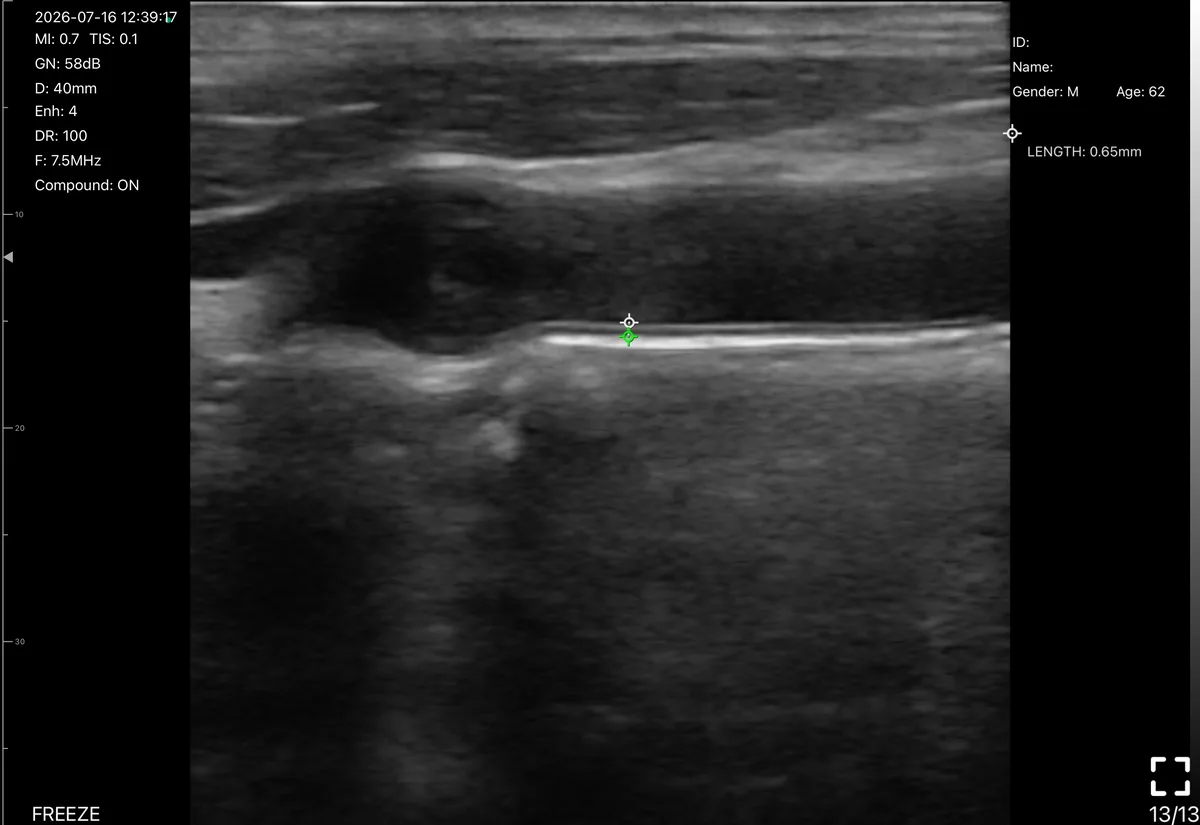
Épaisseur intima-média, mesurée
Carotide commune distale avec calipers à l’écran. La valeur de suivi est enregistrée dans le dossier.
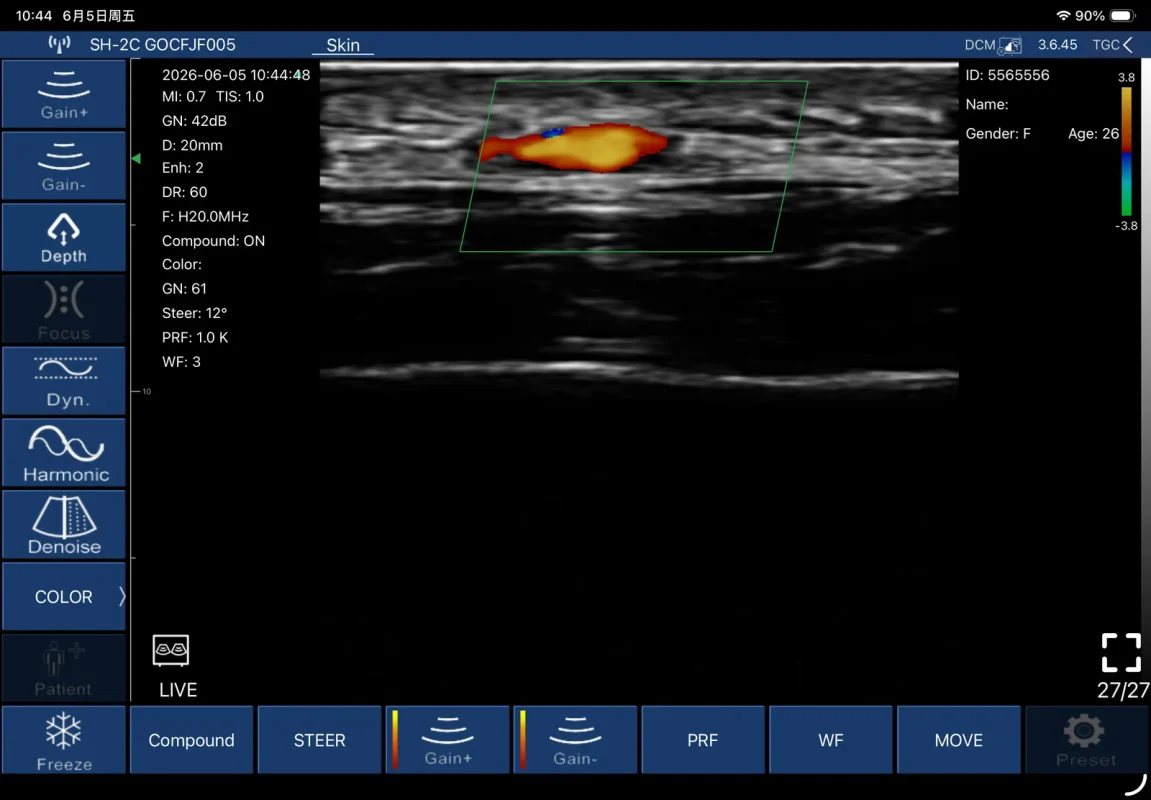
Flux couleur avant la ponction
Artère et veine différenciées en quelques secondes sur le L20Pro, le même contrôle qu'effectue le L20 dans la vidéo clinique ci-dessus.
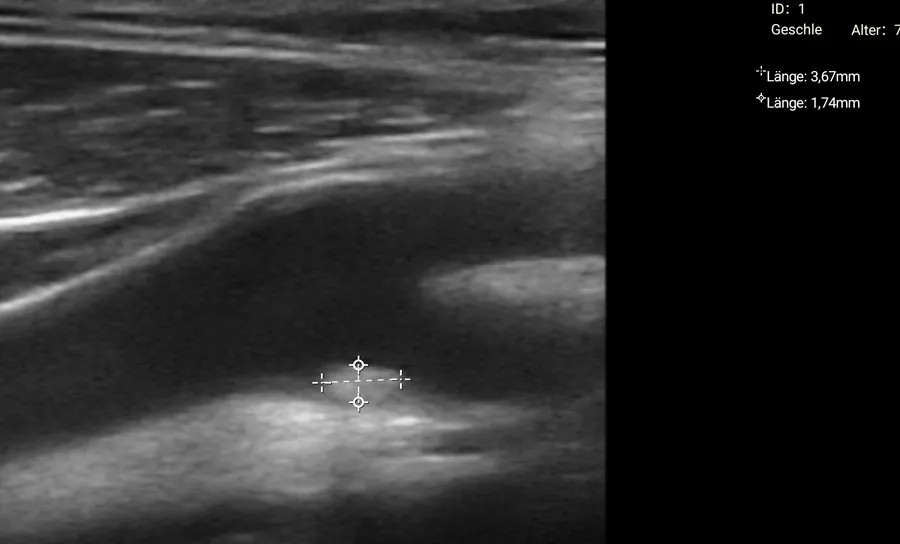
Profondeur et diamètre, documentés
Gel d’image en une touche avec deux calipers. Le choix du vaisseau est consigné pour la note de pose.
Témoignages d’acheteurs, non modifiés. Attribution de l’appareil telle que déclarée par chaque acheteur.
Choisissez votre modèle
Meilleur échographe pour l'accès vasculaire ? Tout dépend de vos abords
Le plus choisiPerfusion & voies superficielles au quotidienL20Pro
Perfusion & voies superficielles au quotidienL20ProMême bande 16/20 MHz que le L20 dans la vidéo clinique ci-dessus : elle restitue les veines superficielles avec la précision qui rend les ponctions difficiles routinières.
$3,720 L20Pro · 256 élémentsAcheter maintenantVoir le L20Pro →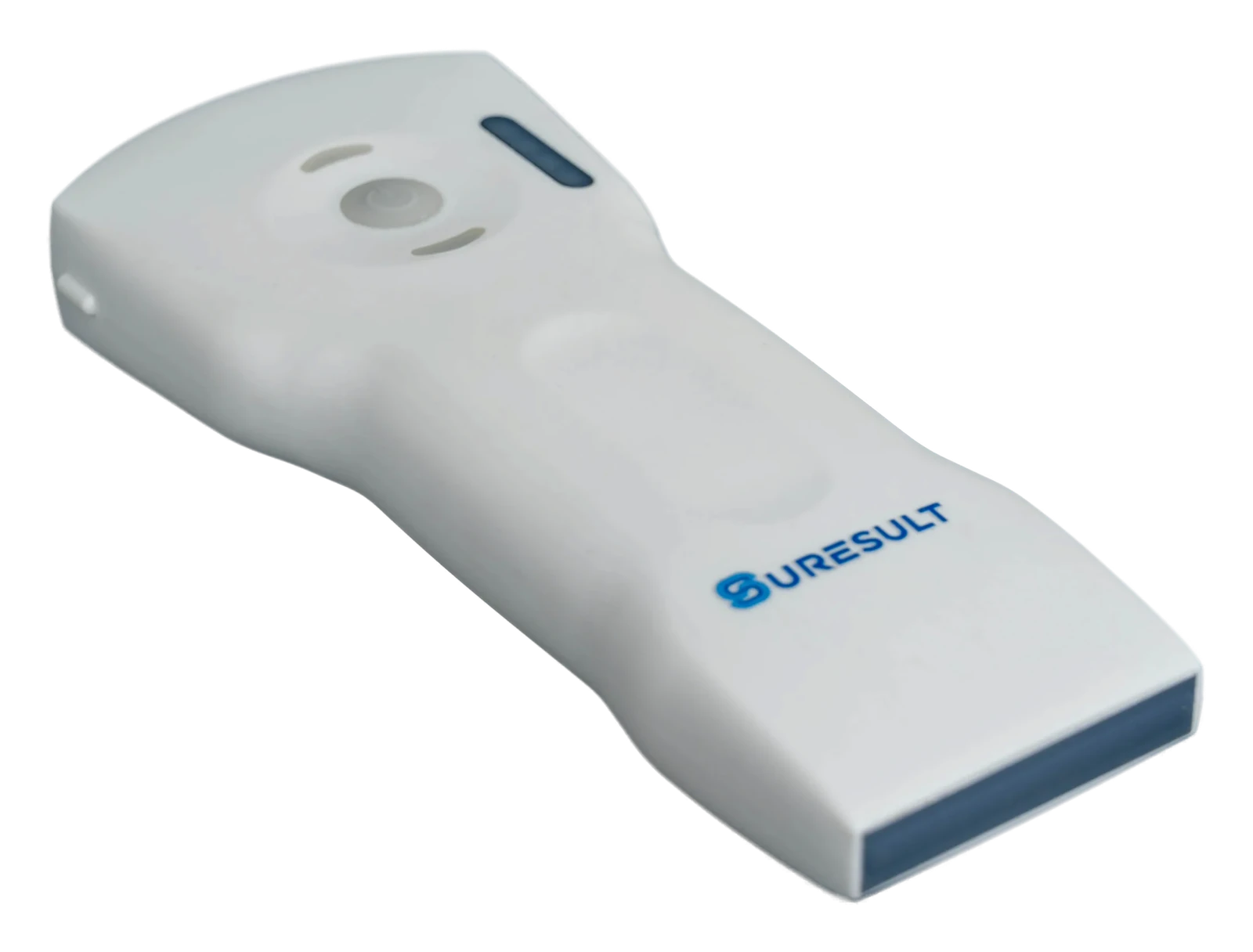 Une seule sonde pour tout faireD3Ultra
Tête linéaire pour les abords et voies veineuses, convexe pour le reste du service. Les mesures d'EIM et les captures nerveuses ci-dessous proviennent de cette sonde.
$2,976 D3Ultra · double têteAcheter maintenantVoir D3Ultra →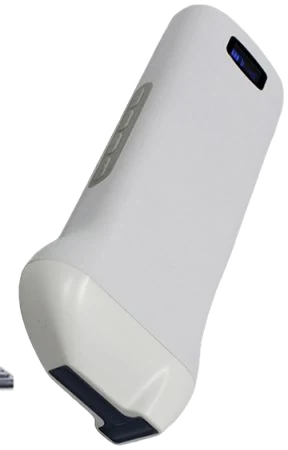 Guidage de l’aiguille biplanL10T
Petit axe et grand axe affichés sur un seul écran, le modèle spécialisé pour les ponctions centrales et périphériques les plus difficiles.
$2,418 L10T · biplanAcheter maintenantVoir le L10T →Comparatif des échographes
Sept modèles Suresult pour l'accès vasculaire
Balayez pour voir toutes les colonnes →
| Modèle | Prix | Fréquence | Profondeur | Idéal pour |
|---|---|---|---|---|
| L10T | $2,418 | 7.5/10 MHz | 20/40/60/100 mm | Guidage de ponction biplan, voies veineuses difficiles et abords veineux centraux |
| L10SH | $3,534 | 7.5/10 MHz | 20/40/60/100 mm | Repérage haute définition pour PICC et midline |
| L10H | $2,325 | 7.5/10 MHz | 20/40/60/100 mm | Modèle vasculaire standard à 192 éléments |
| L10W | $2,232 | 7.5/10 MHz | 20–60 mm (empreinte de 80 mm) | Large champ de vision pour le réseau veineux de l'avant-bras |
| L14Pro | $3,441 | 10/14 MHz | 20/40/60/80 mm | Abords vasculaires, examens ostéoarticulaires plus profonds et épaule avec une seule sonde |
| L20Pro | $3,720 | 16/20 MHz | 10/20/30/40 mm | Veines très superficielles et abords pédiatriques |
| D3Ultra | $2,976 | 7.5/10 + 3.2/5 MHz | 20–100 mm en linéaire | Abords vasculaires partagés sur un seul échographe avec un POCUS plus étendu |
Face aux marques reconnues
Suresult face à Clarius, Butterfly et GE Vscan pour l'accès vasculaire
Balayez pour voir toutes les colonnes →
 Modèle Suresult Modèle Suresult | 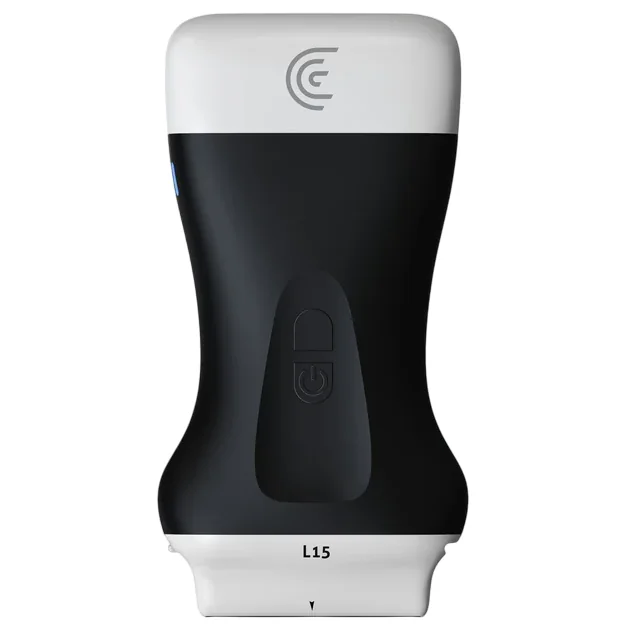 Clarius L15 HD3 Clarius L15 HD3 | 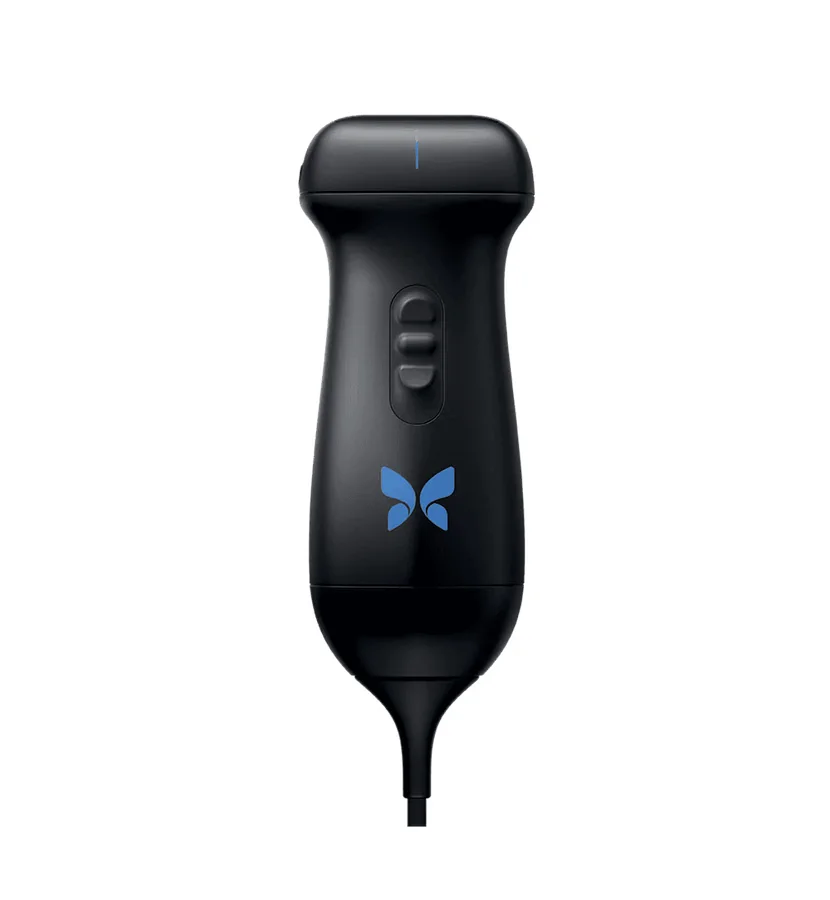 Butterfly iQ3 Butterfly iQ3 | 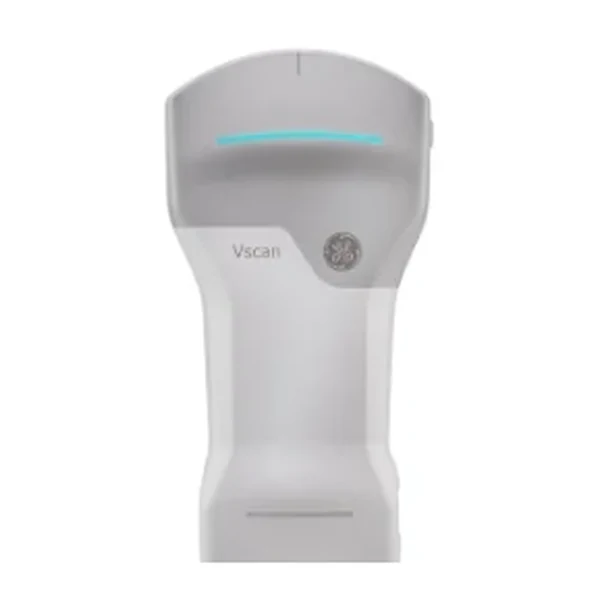 GE Vscan Air CL GE Vscan Air CL | |
|---|---|---|---|---|
| Imagerie d'accès vasculaire | Linéaire 7.5/10 MHz, biplan sur L10T | Linéaire 5–15 MHz | 1–12 MHz sur une seule puce | 3–12 MHz côté linéaire |
| Prix de l’appareil | $2,232–$3,534, tarif publié | $3,795 affichés | $3,899 affichés | $4,999 affichés |
| Abonnement | Aucun: logiciel inclus | Abonnement à $695/an, $1,785 pour trois ans, ou $2,500 en paiement unique | Obligatoire: $299–$420/an | Digital Tools accessibles par abonnement |
| Coût total livré | Droits de douane + livraison inclus, 1–7 jours | Prix catalogue américain, droits de douane en supplément | Prix catalogue américain, droits de douane en supplément | Prix catalogue américain, droits de douane en supplément |
| Enregistrements réglementaires | FDA 510(k) · ISO 13485 · EU MDR (CE) · TGA · ANVISA · Health Canada | FDA 510(k) | FDA 510(k) | FDA 510(k) |
Les atouts de Suresult
- Guidage de l’aiguille biplan.Petit axe et grand axe sur un seul écran : le L10T garde ainsi la veine et l'aiguille visibles ensemble.
- Zéro abonnement, pour toujours.Doppler couleur, guides de ponction et calipers vasculaires inclus de série sur chaque échographe.
- Le prix affiché au paiement est le prix total livré.Droits de douane et livraison inclus, livraison en 1–7 jours.
- Enregistré là où vous exercez.FDA 510(k) · ISO 13485 · EU MDR (CE) · TGA · ANVISA · Health Canada.
Le calcul sur cinq ans
L'abonnement Clarius à $695/an atteint $3,475 au bout de cinq ans, avant même de payer le L15 HD3 lui-même. Le forfait obligatoire de Butterfly ajoute $1,495–$2,100. Lorsque la même sonde doit également diagnostiquer une TVP ou un reflux veineux, comparez les échographes portables de diagnostic vasculaire de cinq fabricants, classés selon leurs outils Doppler et leur profondeur linéaire.
L10W, achat définitif sans récurrenceClarius L15 HD3 : échographe + abonnement= $3,475 de frais à eux seuls au bout de cinq ans
Trois modèles, un choix tranché en une ligne
Vous hésitez sur le modèle qui adapté à votre équipe?
Un échange suffit pour obtenir une recommandation claire : la sonde Suresult adaptée, ou une réponse honnête “aucune des deux.”
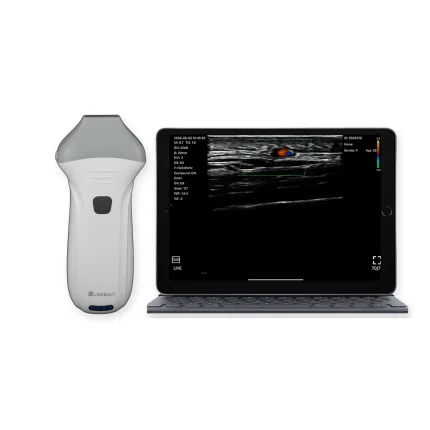
L20Pro
Sonde échographique haute fréquence Suresult L20Pro pour le visage – 16/20 MHz, 256 éléments, sans fil
Fréquence : 16/20 MHz
Profondeur d’exploration : 10/20/30/40 mm
Accès vasculaire
buy scanner

L24Pro
L24Pro 18/24 MHz : sonde d’échographie esthétique à 256 éléments pour les injections de produits de comblement
Fréquence : 18/24 MHz
Profondeur d’exploration : 10/15/20/25mm
Accès vasculaire
buy scanner

D3Ultra
D3Ultra, échographe de poche polyvalent convexe, linéaire et à réseau phasé
Fréquence : Sonde convexe / à réseau phasé 3.2/5.0MHz Sonde linéaire 7.5/10MHz
Profondeur d’exploration : Linéaire : 20–100 mm, convexe & sectorielle : 90–300 mm
Accès vasculaire
buy scanner




Conseils d’experts
Échangez avec un spécialiste des échographes
Décrivez votre pratique quotidienne à Suresult et recevez une recommandation personnalisée d’échographe accompagnée d’un devis tout compris.
- Conseils gratuits pour choisir votre échographe — sondes, fréquence et profondeur adaptées à vos interventions
- Devis tout compris — livraison, dédouanement et taxes applicables inclus
- Livraison rapide — expédition sous 24 heures, livraison à domicile en 1–7 jours
- Logiciel utilisable sans abonnement obligatoire — applications iOS, Android et Windows incluses
- Retours sous 30 j et assistance 24 h/24, 7 j/7
Le chat en direct s’ouvre ici même — sans formulaire ni attente.
