
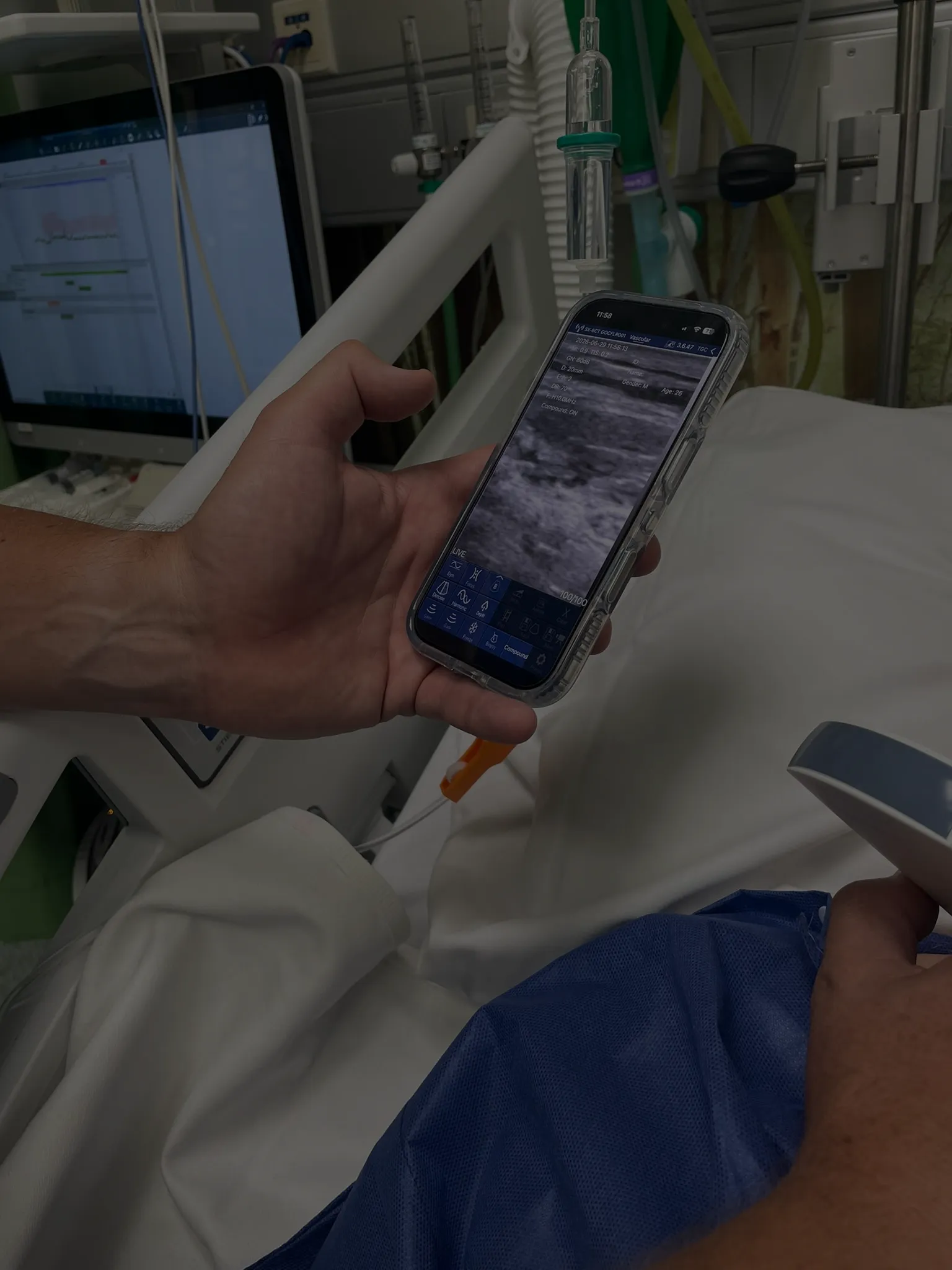
Todas las ecografías de esta página se grabaron con esta familia de equipos Suresult: capturas de compradores realizadas con un D3Ultra, vídeos de un formador clínico que lo utiliza en sus exploraciones y vistas de la biblioteca compartida de referencia clínica de Suresult. Cada vídeo está recortado para mostrar únicamente la exploración. ·8.717 profesionales clínicos confían en nosotros →
Respuesta rápida
Un ecógrafo para medicina deportiva es un equipo de alta frecuencia que permite visualizar tendones, ligamentos, músculos y superficies articulares en el punto de atención y guiar la inyección.
- Los modelos lineales Suresult abarcan de 7.5 MHz a 24 MHz, de modo que el profesional clínico puede explorar una fascia plantar a 20 mm y un músculo isquiotibial a 80 mm con la misma plataforma.
- El L14Pro, el L20Pro, el L10SH y el L24Pro incorporan matrices de 256 elementos con 64 canales; esta cantidad de elementos permite distinguir las fibrillas tendinosas.
- Todos los modelos de ecografía de esta página incluyen guías de punción en plano y fuera de plano, y el L10H añade Guía de aguja con visualización para las inyecciones.
- Las imágenes fijas y las secuencias de cine de 100 a 1.000 fotogramas se exportan en DICOM, JPEG, PNG o MP4, lo que permite comparar una exploración de seguimiento con la inicial.
Atlas de capturas
Nueve ventanas musculoesqueléticas, cada imagen es una captura sin editar obtenida con equipos Suresult
Capturas clínicas sin editar · seleccione cualquier imagen para ampliarla
3 windows
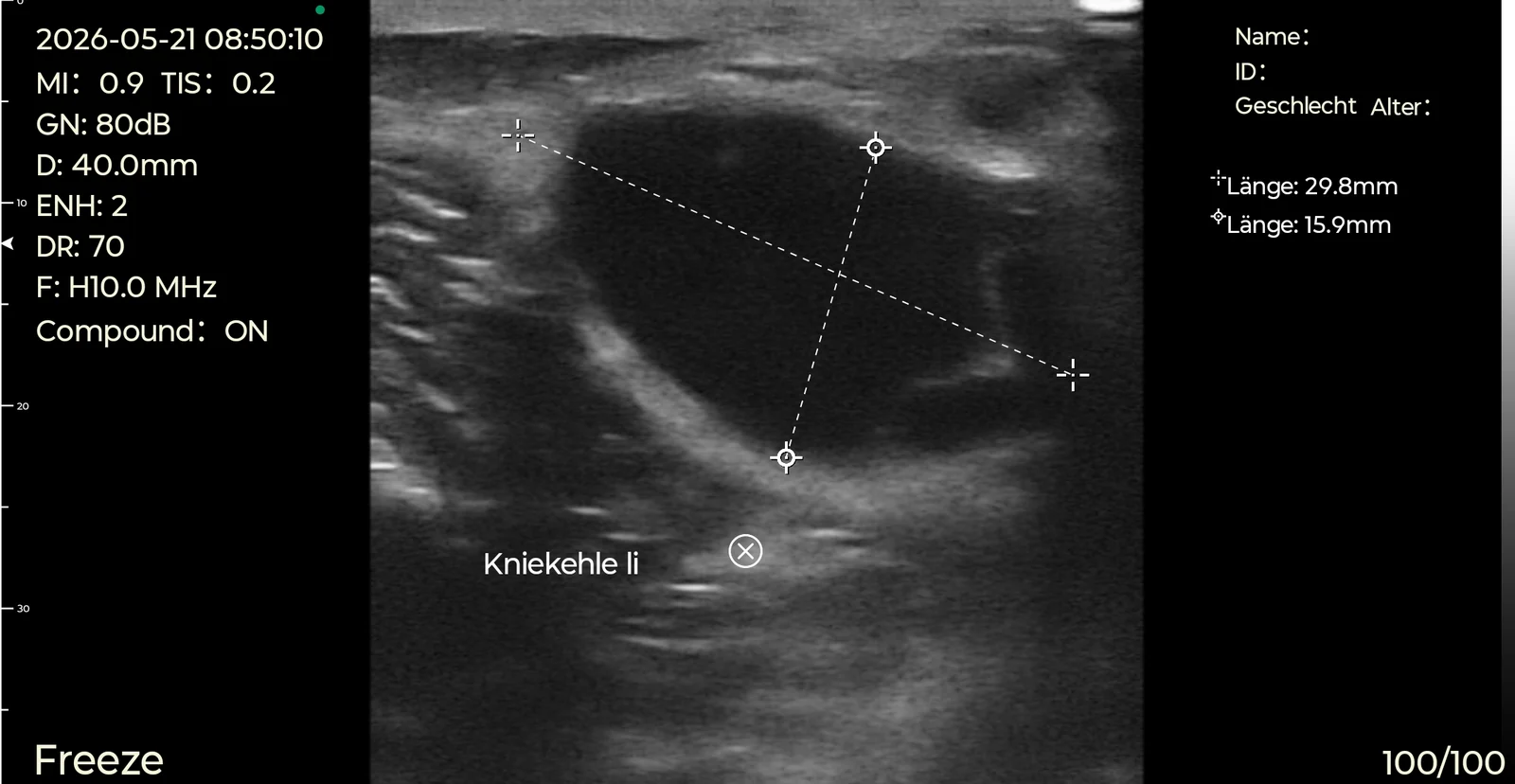
Estructura quística poplítea medida con el D3Ultra
Se observa una colección anecoica detrás de la rodilla izquierda que mide 29,8 mm por 15,9 mm en pantalla. Esta ventana permite esclarecer en menos de un minuto una tumefacción posterior de la rodilla que parece una distensión de la pantorrilla.
imagen fija obtenida con un D3Ultra a H10.0 MHz, 40 mm de profundidad, 80 dB de ganancia e imagen compuesta activada, etiquetada como «Kniekehle li» por el médico que realizó la exploración; enviada por el comprador Stefan Goepfert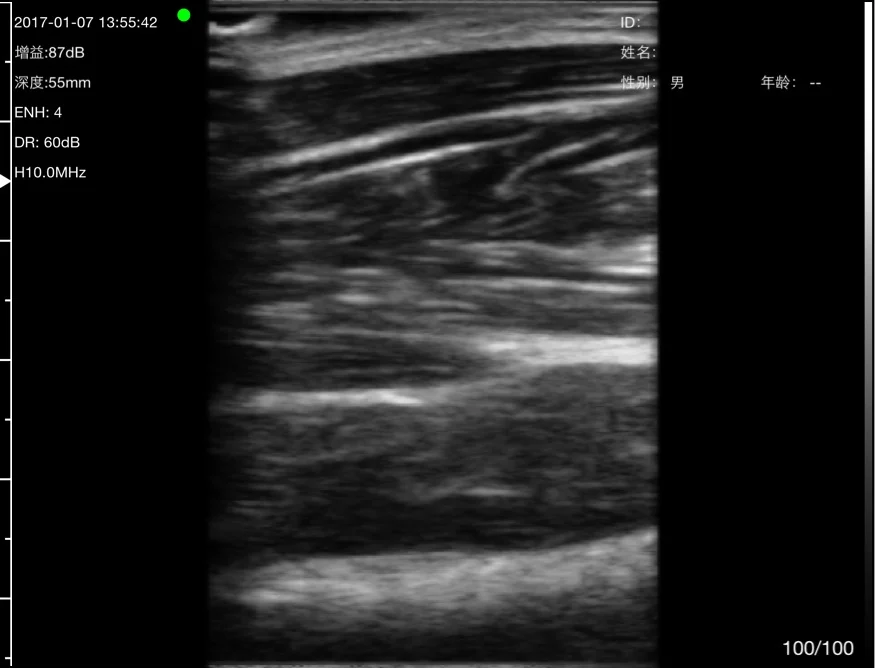
Estructura muscular pennada en el eje longitudinal
Los tabiques fibroadiposos brillantes discurren oblicuamente entre fascículos musculares más oscuros y forman el patrón penniforme normal. Una rotura aparece como una interrupción de estas líneas, con líquido que se extiende a lo largo del plano.
imagen obtenida con una sonda inalámbrica Suresult, incluida en la biblioteca compartida de referencia clínica; el encabezado en pantalla indica 87 dB de ganancia, 55 mm de profundidad y H10.0 MHz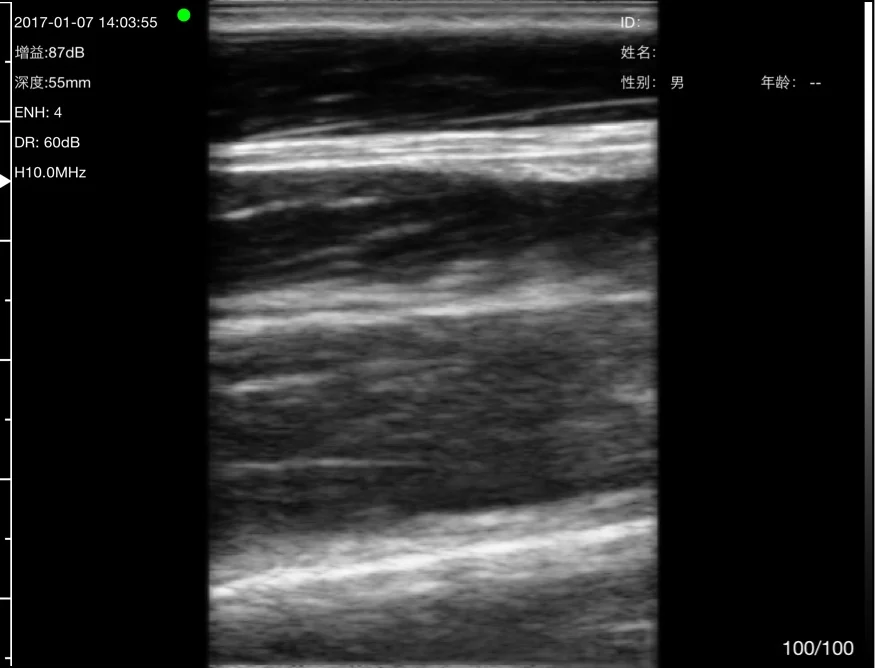
Tendón con patrón fibrilar en eje longitudinal
Un tendón se visualiza como una banda compacta de líneas brillantes paralelas separadas por finos espacios oscuros. La pérdida de ese patrón fibrilar es el hallazgo que distingue una tendinopatía de un tendón normal.
imagen obtenida con una sonda inalámbrica Suresult, incluida en la biblioteca compartida de referencia clínica; el encabezado en pantalla indica 87 dB de ganancia, 55 mm de profundidad y H10.0 MHz3 windows
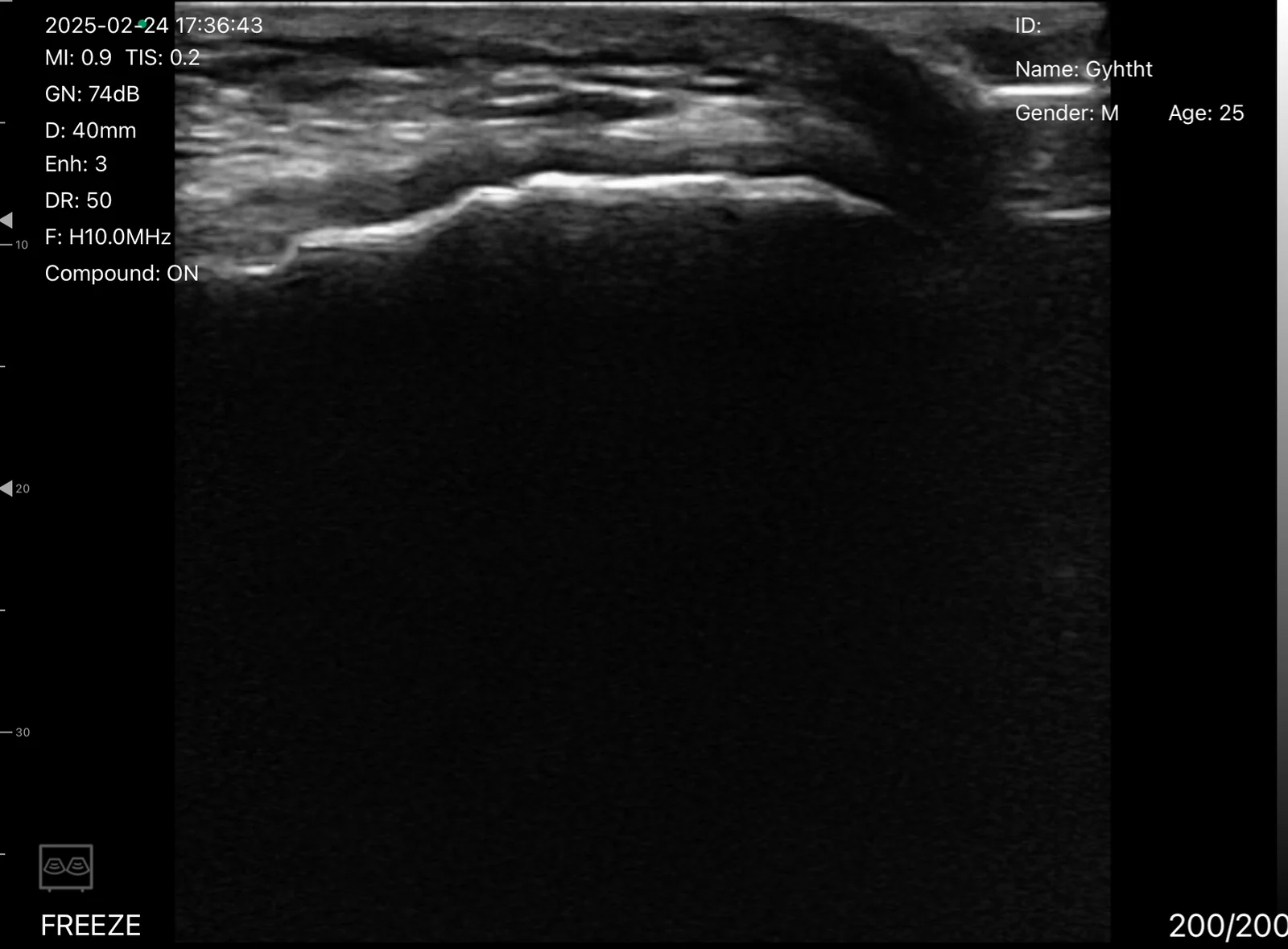
Corteza ósea con sombra acústica en el D3Ultra
Una línea brillante continua delimita la superficie cortical, y todo lo que queda debajo es sombra. Un escalón cortical o una interrupción de esa línea permite detectar mediante ecografía una fractura que pasó desapercibida en una primera radiografía.
imagen fija obtenida con un D3Ultra a H10.0 MHz, 40 mm de profundidad, 74 dB de ganancia e imagen compuesta activada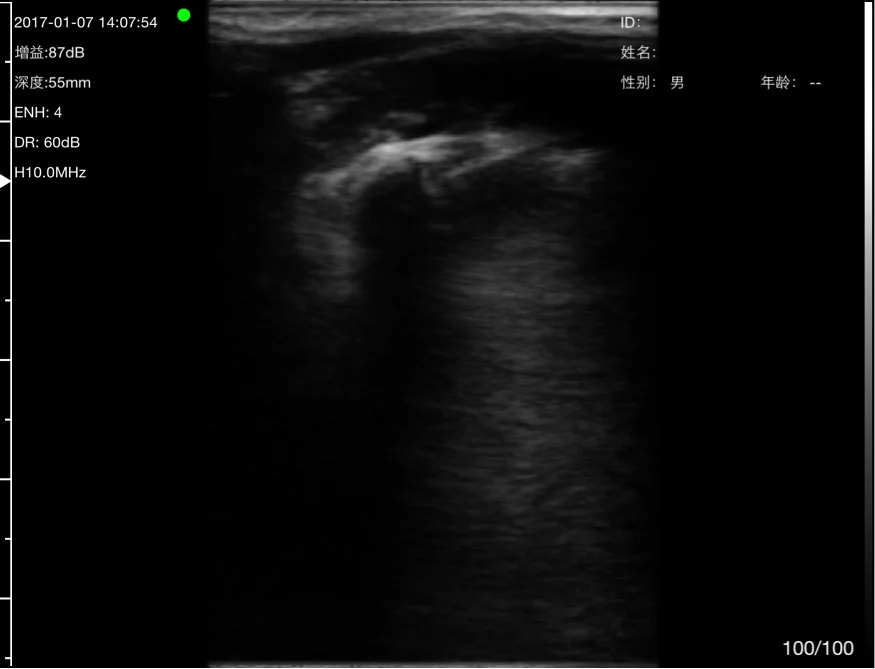
Superficie ósea articular con un contorno irregular
El borde cortical brillante cambia de dirección y se hunde donde dos superficies óseas se encuentran en una articulación. En medicina deportiva se examina esta línea para detectar una avulsión o un derrame que eleva la cápsula por encima de ella.
imagen obtenida con una sonda inalámbrica Suresult, incluida en la biblioteca compartida de referencia clínica; el encabezado en pantalla indica 87 dB de ganancia, 55 mm de profundidad y H10.0 MHz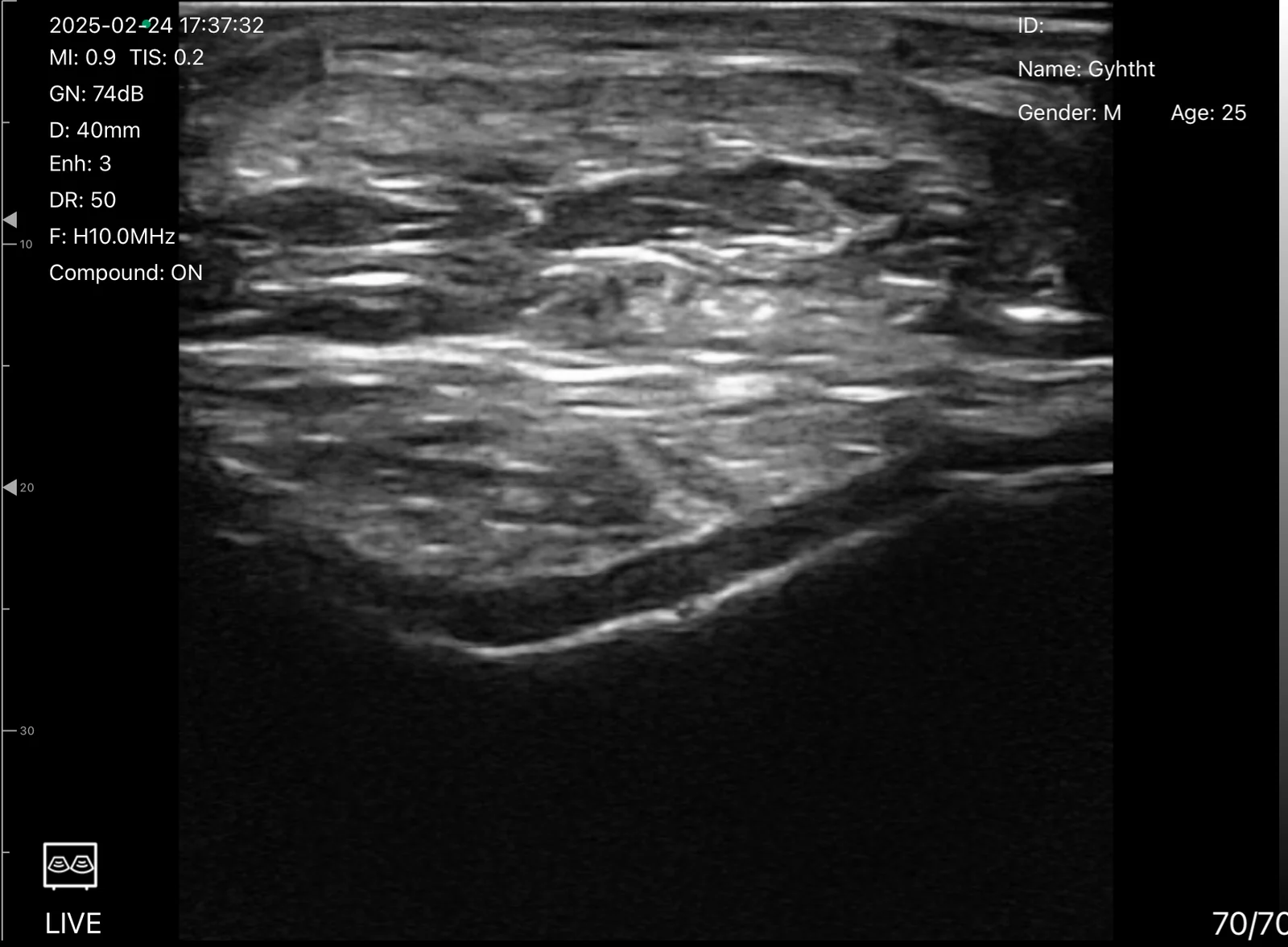
Tejido blando superficial sobre la cortical ósea en el D3Ultra
El tejido fibrilar dispuesto en capas se sitúa sobre una línea cortical brillante, con una separación nítida entre los planos. La evaluación ordenada de las capas permite al profesional clínico localizar el dolor a la palpación en una estructura concreta en lugar de en una zona.
imagen fija obtenida con un D3Ultra a H10.0 MHz, 40 mm de profundidad, 74 dB de ganancia e imagen compuesta activada3 windows
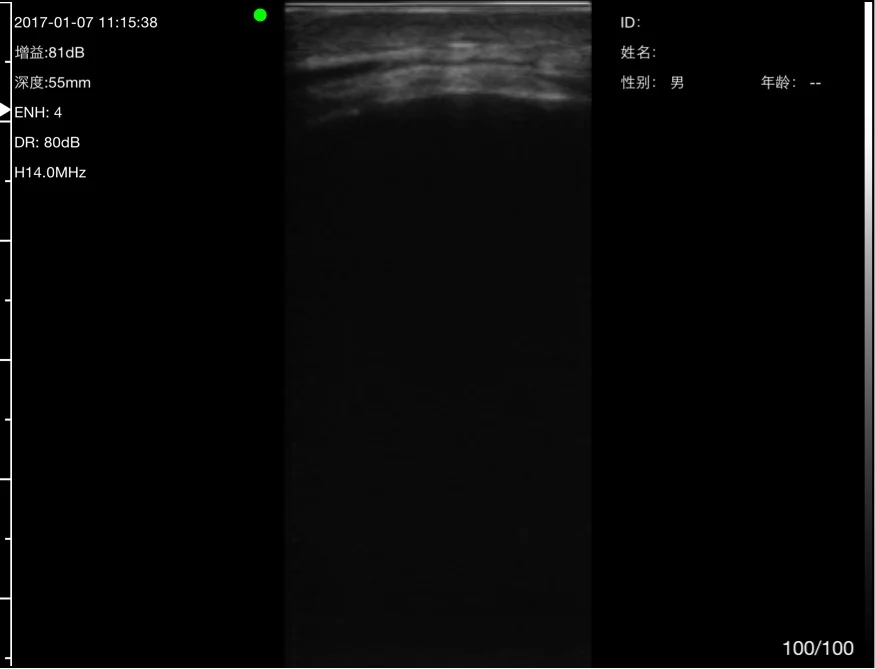
Superficie ósea con sombra acústica completa
Una cortical curva y brillante refleja casi todo el haz, por lo que el campo situado debajo aparece negro y vacío. Esa sombra explica por qué la ecografía evalúa la superficie ósea y nunca la médula que queda detrás.
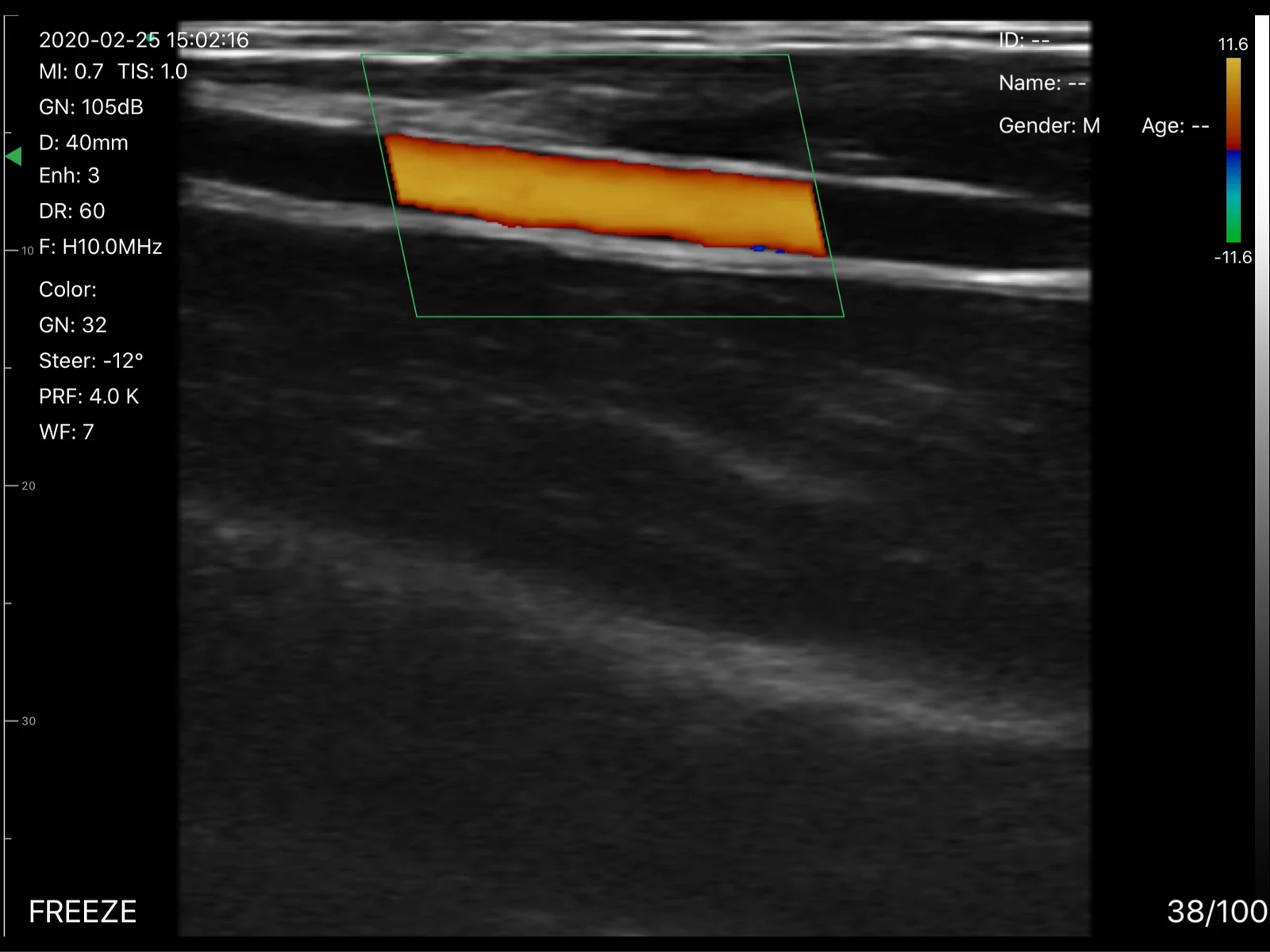
imagen obtenida con una sonda inalámbrica Suresult, incluida en la biblioteca compartida de referencia clínica; el encabezado en pantalla indica 81 dB de ganancia, 55 mm de profundidad, un rango dinámico de 80 dB y H14.0 MHzDoppler color en la muñeca con el D3Ultra
El recuadro de color se llena de señal de flujo en un vaso superficial mientras el tejido circundante permanece gris. Los mismos ajustes de color muestran la neovascularización que caracteriza a un tendón sintomático.
imagen fija obtenida con un D3Ultra, incluida en la biblioteca compartida de demostraciones clínicas del D3; el encabezado en pantalla indica 105 dB de ganancia, 40 mm de profundidad, H10.0 MHz, ganancia de color 32, PRF 4.0 K y una inclinación de -12 grados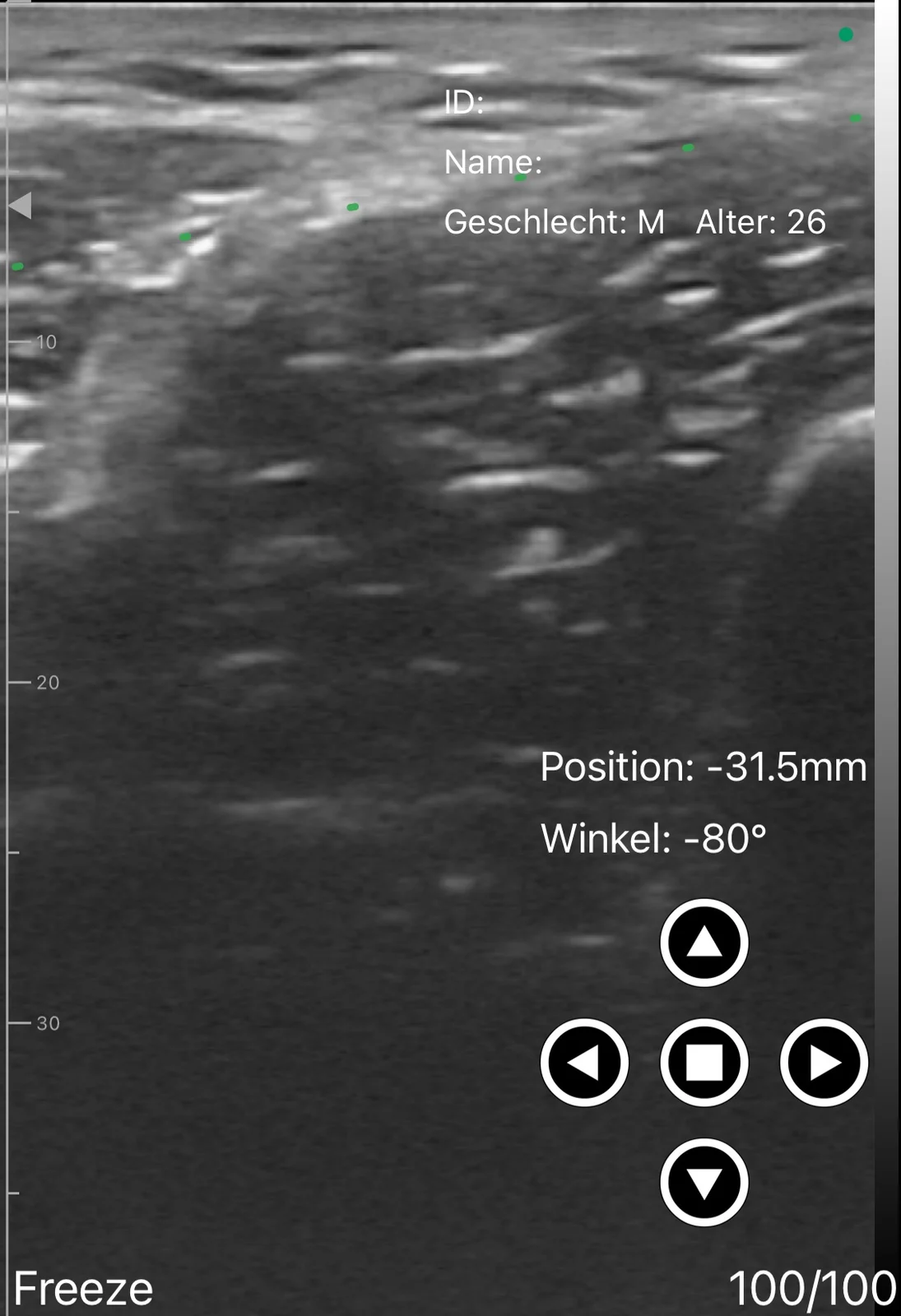
Guía de punción trazada sobre la trayectoria de la aguja en el D3Ultra
La guía de punción traza una trayectoria de puntos hasta el objetivo y la aplicación muestra su posición y su ángulo en pantalla. La inyección ecoguiada se prepara en esta pantalla antes de mover la aguja.
imagen fija obtenida con un D3Ultra durante un bloqueo suprainguinal de la fascia ilíaca, con la interfaz alemana de la aplicación que muestra «Position: -31.5mm» y «Winkel: -80»; enviada por el comprador David Heimpel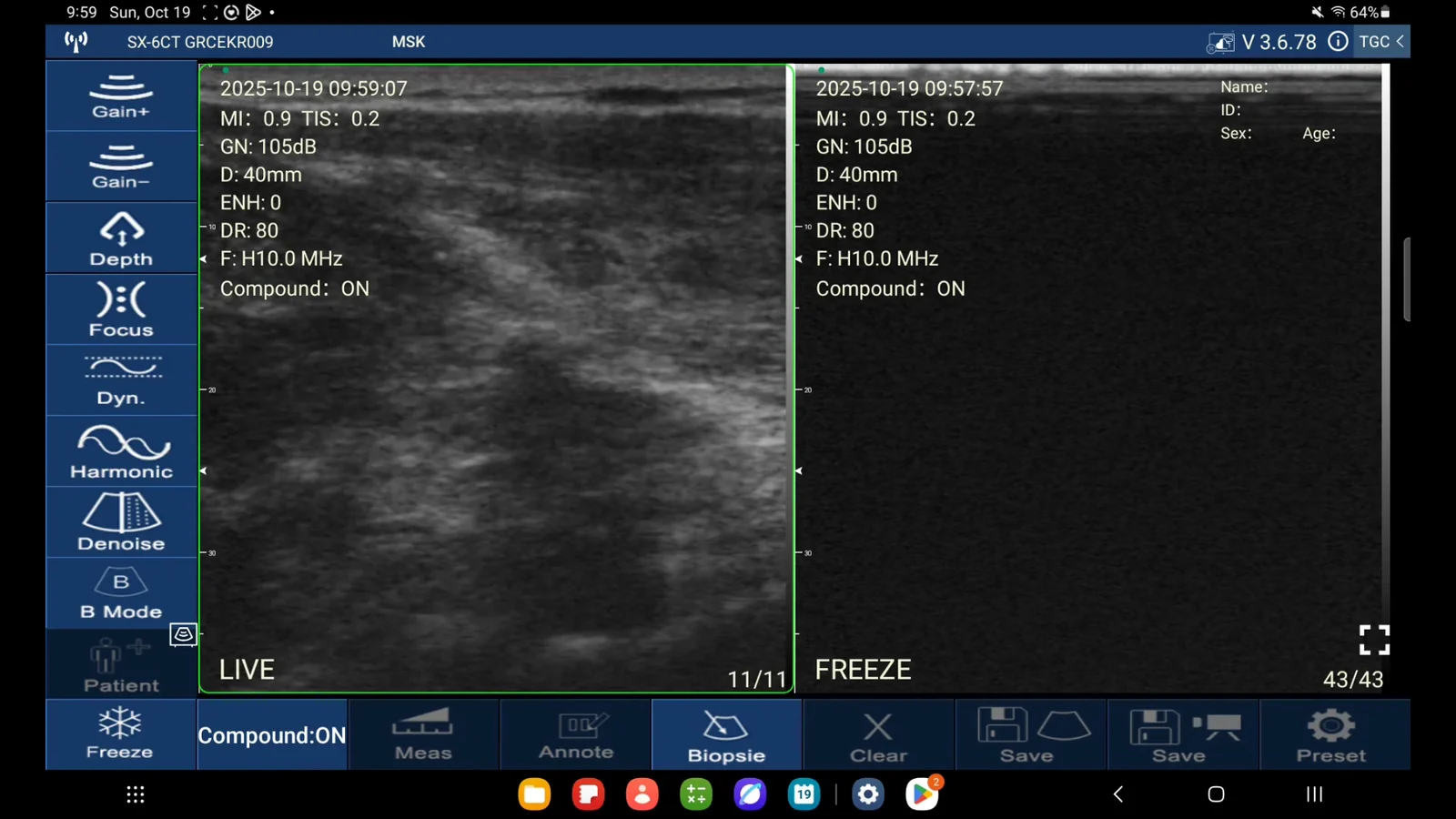
Seleccione una tarjeta para cambiar de captura
Fundamentos de la técnica
Cómo se realiza la exploración, de la sonda al informe
- Ajuste la frecuencia a la profundidad del objetivo.
El L20Pro obtiene imágenes de 10 a 40 mm de profundidad a 16/20 MHz para explorar la fascia plantar o una polea digital. El L14Pro alcanza 80 mm a 10/14 MHz, y el L10SH y el L10H alcanzan 100 mm para explorar un isquiotibial o un tendón glúteo.
De 10 mm a 100 mm entre los modelos lineales - Explore cada tendón en dos planos.
Se recorre el tendón en el eje longitudinal para evaluar la continuidad fibrilar y después se gira la sonda 90 grados para obtener la sección transversal en el eje corto. La anisotropía simula una rotura cuando la sonda pierde la perpendicularidad, por lo que el segundo plano aclara el hallazgo.
Primero el eje longitudinal, después el transversal - Compare con el lado sano.
El grosor de los músculos y los tendones varía mucho entre deportistas, por lo que la extremidad contralateral sirve de referencia. Guardar ambos lados como secuencias de cine permite basar la exploración de seguimiento en mediciones en lugar de impresiones.
Secuencias de cine de 100 a 1.000 fotogramas 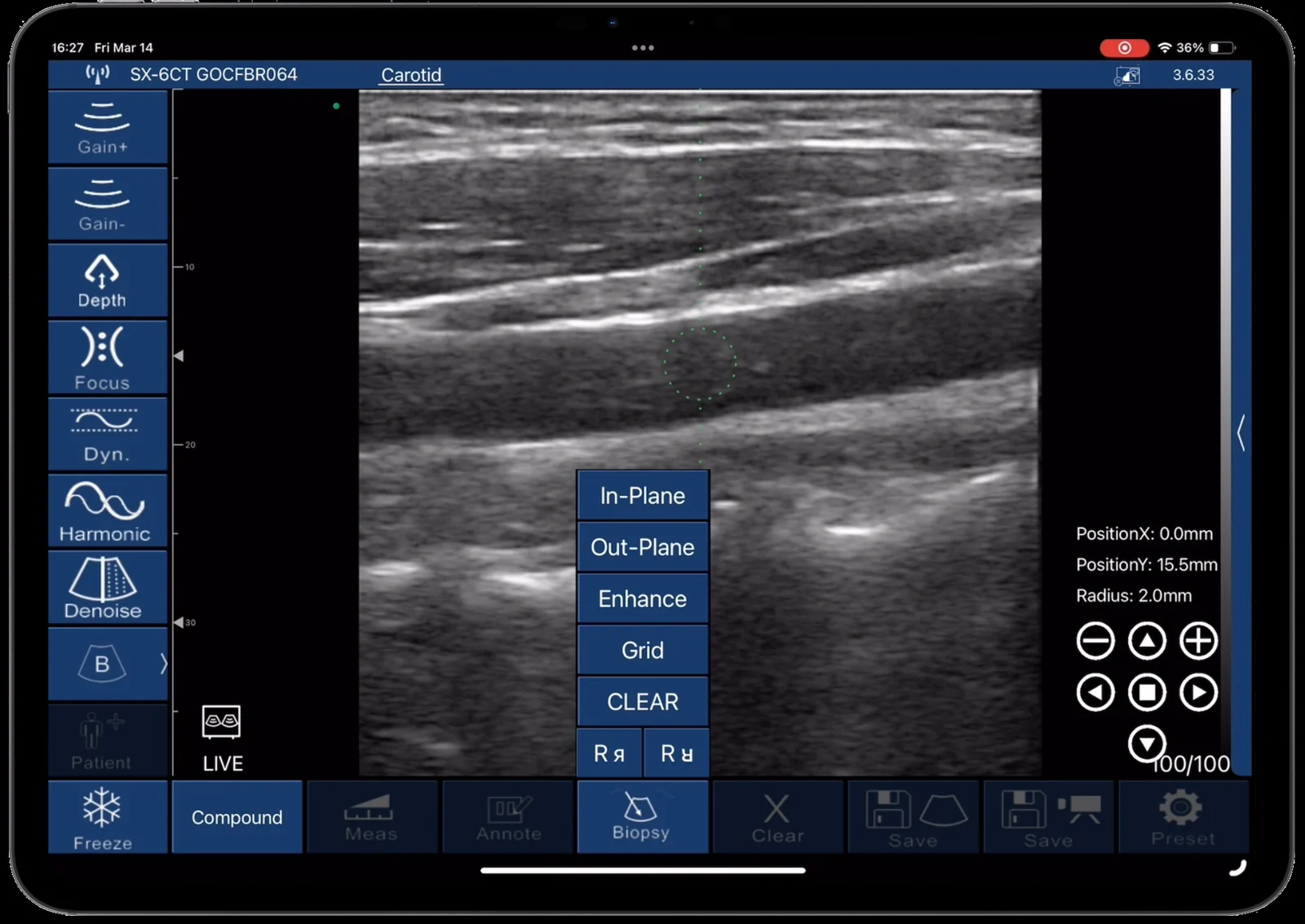 Coloque la aguja en plano antes de la inyección.
Las guías de punción en plano y fuera de plano trazan la trayectoria de la aguja sobre la estructura diana, y las herramientas de inversión de imagen y cuadrícula permiten mantener una orientación correcta. El realce de aguja mejora la nitidez del cuerpo de la aguja en los modelos L14Pro, L20Pro, L20, L24, L10SH, L10H y D3Ultra.
Asistencia para la punción en la aplicación
Qué dicen los estudios
La evidencia, cuatro estudios verificados
- La ecografía superó a la resonancia magnética en la detección de lesiones crónicas de los ligamentos laterales del tobillo.
En 15 estudios con 695 participantes, la sensibilidad combinada para las lesiones crónicas del ligamento talofibular anterior fue de 0,99 para la ecografía y de 0,83 para la resonancia magnética.
Cao et al., J Orthop Surg Res 2018 - La ecografía detectó las roturas de espesor completo del manguito rotador con la misma exactitud en manos de profesionales de otras especialidades.
Un metaanálisis publicado en British Journal of Sports Medicine registró una sensibilidad y una especificidad superiores a 0,90 para la ecografía en las roturas de espesor completo del manguito rotador. La exactitud fue similar tanto si la exploración la realizaba un radiólogo como un ecografista o un traumatólogo.
Roy et al., Br J Sports Med 2015 - La guía ecográfica mejoró la aspiración y la inyección en la rodilla en un ensayo aleatorizado.
En 64 rodillas con derrame asignadas aleatoriamente, la guía ecográfica redujo el dolor durante el procedimiento un 48% y aumentó el volumen de líquido sinovial aspirado un 183% frente a la guía por palpación, con mejores puntuaciones de dolor a las dos semanas.
Sibbitt et al., Scand J Rheumatol 2012 - La ecografía diagnosticó las fracturas distales del antebrazo en niños con gran exactitud.
Un metaanálisis de 16 estudios con 1.204 pacientes registró una sensibilidad combinada del 97% y una especificidad del 95% para la ecografía en las fracturas distales del antebrazo. Los autores concluyeron que la exactitud es alta en niños.
Douma-den Hamer et al., PLoS One 2016
Elija su modelo
Elija el modelo que se adapte a su día a día
El más elegido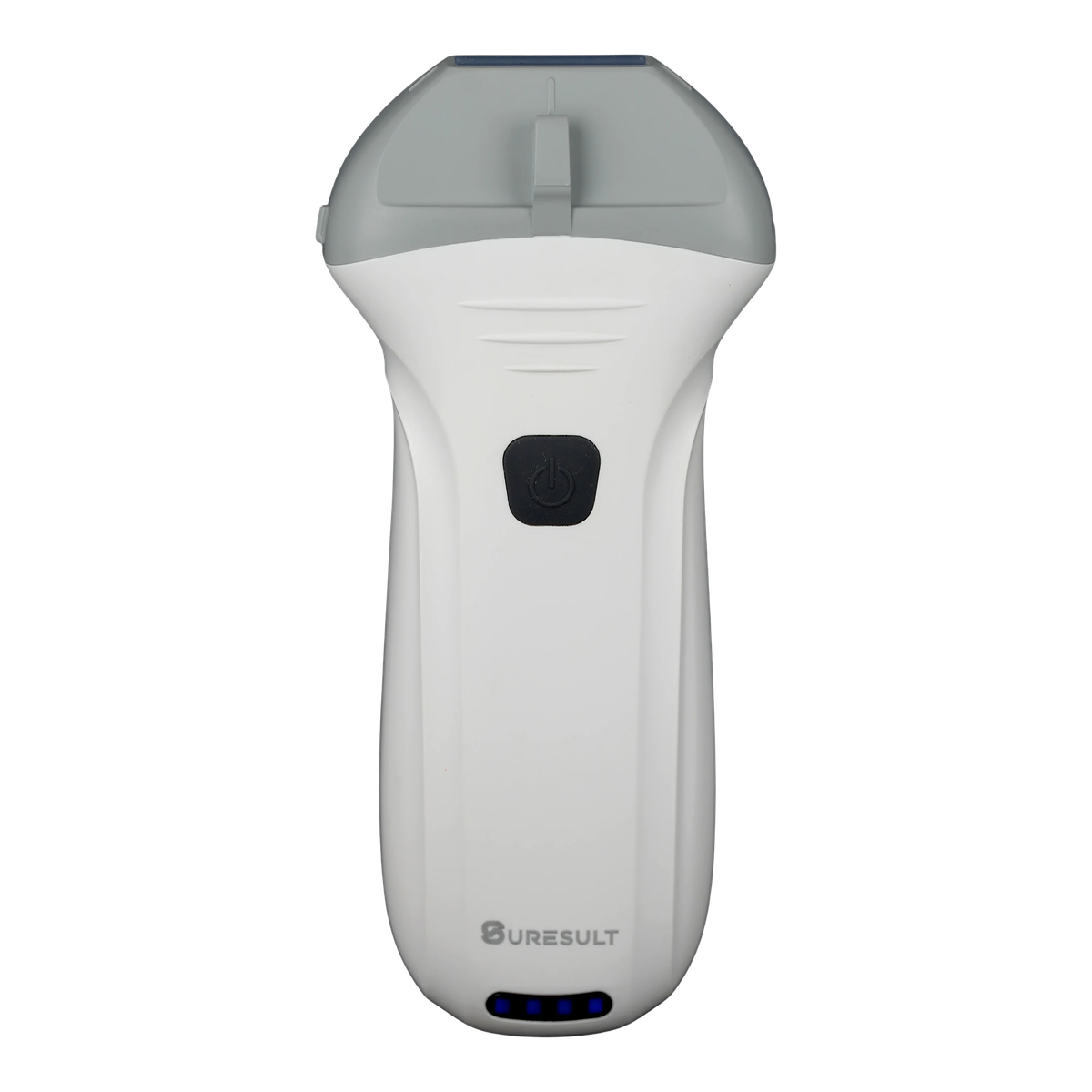 Una sonda para toda la consulta de medicina deportivaL14Pro
Una sonda para toda la consulta de medicina deportivaL14ProEl L14Pro funciona a 10/14 MHz con una matriz de 256 elementos y 64 canales, y permite seleccionar profundidades de 20, 40, 60 y 80 mm. Este rango abarca desde la fascia plantar hasta la región proximal de los isquiotibiales.
256 elementos, 64 canales, 10/14 MHz
$3,441 L14Pro · Sonda ecográfica lineal de 10/14 MHz y 256 elementos para exploración musculoesqueléticaComprar ahoraVer L14Pro →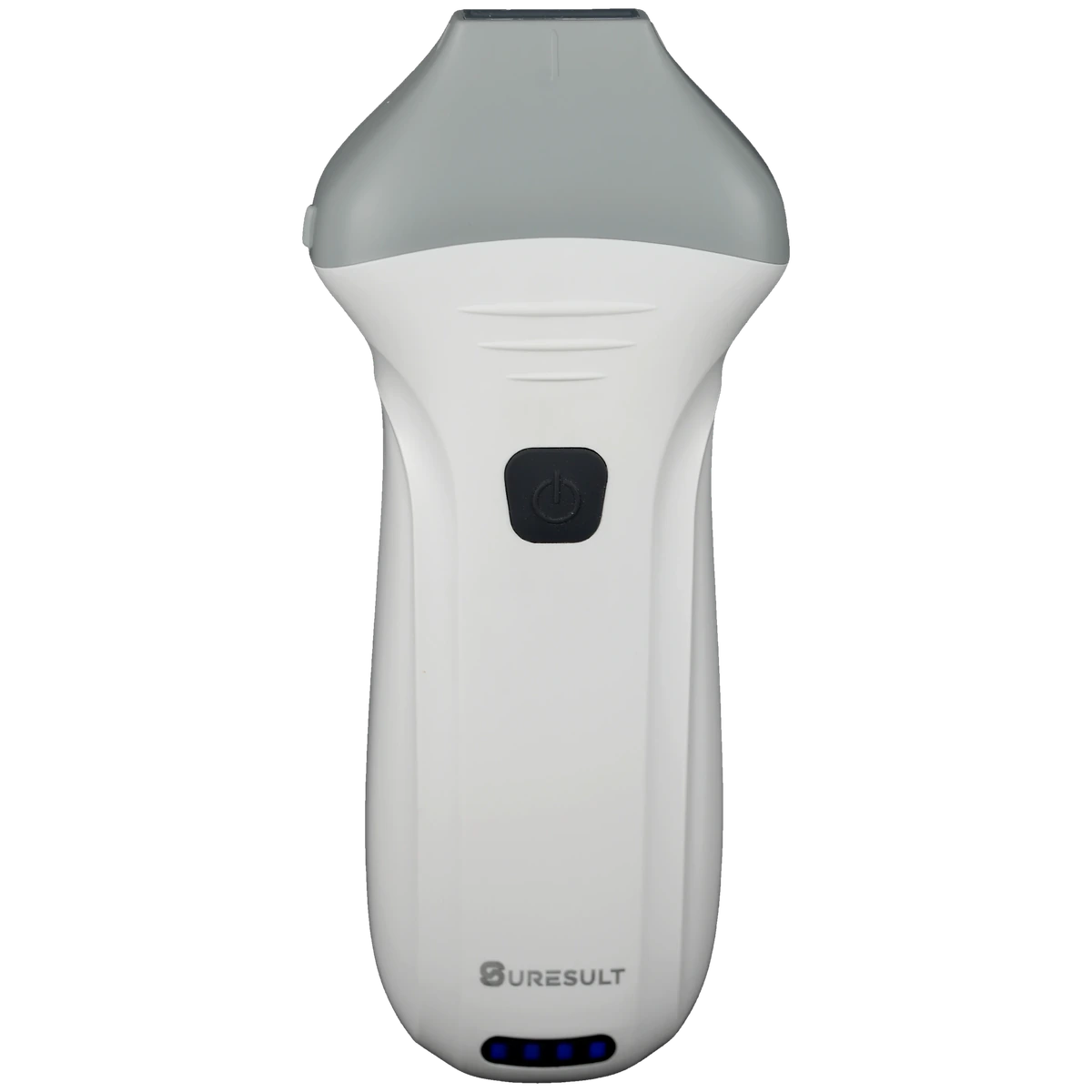 Ligamentos y pequeños tendones bajo la pielL20Pro
El L20Pro obtiene imágenes de 10 a 40 mm a 16/20 MHz con una matriz de 256 elementos. Los ligamentos laterales del tobillo, las poleas de los dedos y la fascia plantar se encuentran dentro de ese rango.
16/20 MHz, detalle superficial
$3,720 L20Pro · Ecografía lineal de alta frecuencia de 16/20 MHz para medicina estética, piel & estructuras musculoesqueléticas superficialesComprar ahoraVer L20Pro →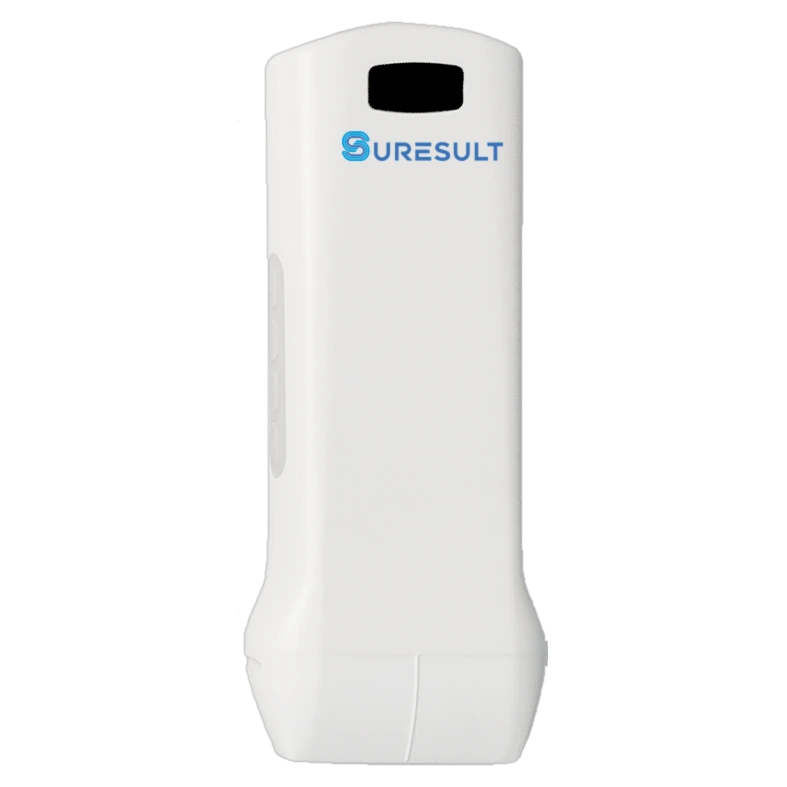 Las infiltraciones ocupan la mayor parte de la semanaL10H
El L10H es el único modelo de Suresult que incluye la guía visual de aguja entre sus prestaciones, junto con las guías de punción estándar. Su batería de 5.600 mAh permite explorar durante cinco horas continuas, suficientes para una agenda completa de infiltraciones.
cinco horas continuas, guía de aguja
$2,325 L10H · Ecógrafo lineal inalámbrico de alta definición de 7.5/10 MHz y 192 elementos para diagnósticoComprar ahoraVer L10H →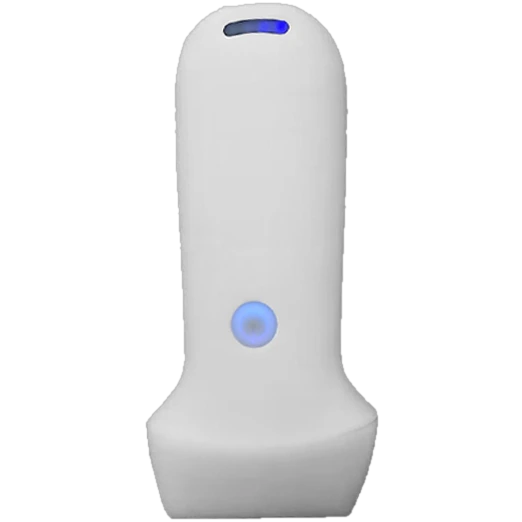 Estructuras más profundas y un campo más amplioL10SH
El L10SH combina una superficie de contacto de 40 mm con una matriz de 256 elementos a 7.5/10 MHz y alcanza los 100 mm de profundidad. Los tendones glúteos, la región proximal de los isquiotibiales y un muslo de gran grosor se encuentran dentro de ese rango.
Superficie de contacto de 40 mm, alcanza los 100 mm
$3,534 L10SH · Ecógrafo lineal inalámbrico de alta definición con 64 canalesComprar ahoraVer L10SH →Comparativa de ecógrafos
Ocho ecógrafos de mano Suresult para medicina deportiva, en comparativa
Deslice para ver todas las columnas →
| Modelo | Precio | Frecuencia | Profundidad | Ideal para |
|---|---|---|---|---|
| L14Pro | $3,441 | Lineal 10/14 MHz | 20/40/60/80 mm | Consulta general de medicina deportiva: 256 elementos, 64 canales, batería de 4 horas, 145 g |
| L20Pro | $3,720 | Lineal 16/20 MHz | 10/20/30/40 mm | Ligamentos, tendones de los dedos y fascia plantar: 256 elementos, batería de 4 horas |
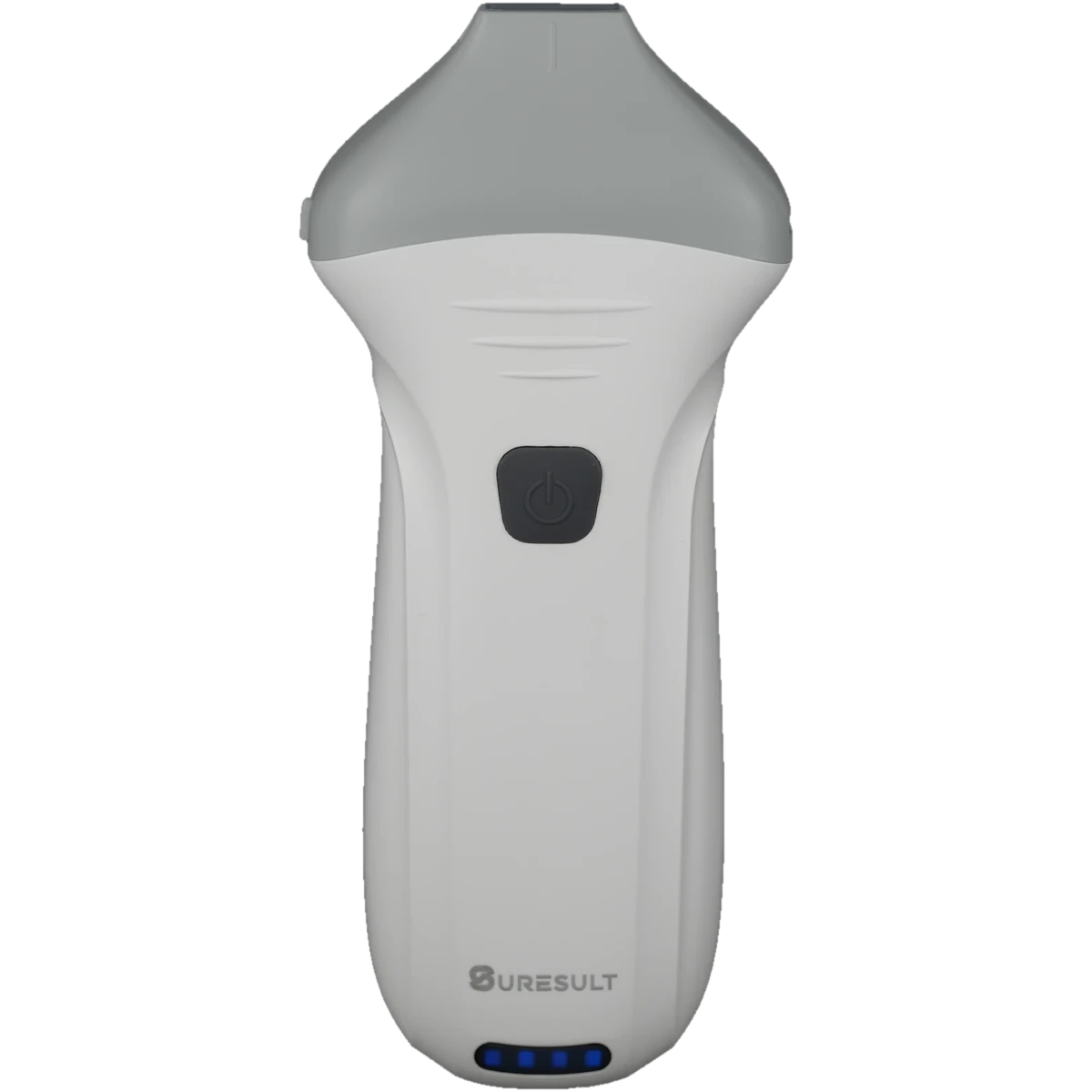 L24Pro L24Pro | $4,185 | Lineal de 18/24 MHz | 10/15/20/25 mm | Exploraciones de las estructuras más superficiales: 256 elementos, 64 canales, batería de 4 horas, 145 g |
| L10SH | $3,534 | Lineal 7.5/10 MHz | 20/40/60/100 mm | Músculos más profundos y superficie de contacto de 40 mm: 256 elementos, 64 canales |
| L10H | $2,325 | Lineal 7.5/10 MHz | 20/40/60/100 mm | Agendas de infiltraciones: guía visual de aguja, 5.600 mAh, batería de 5 horas |
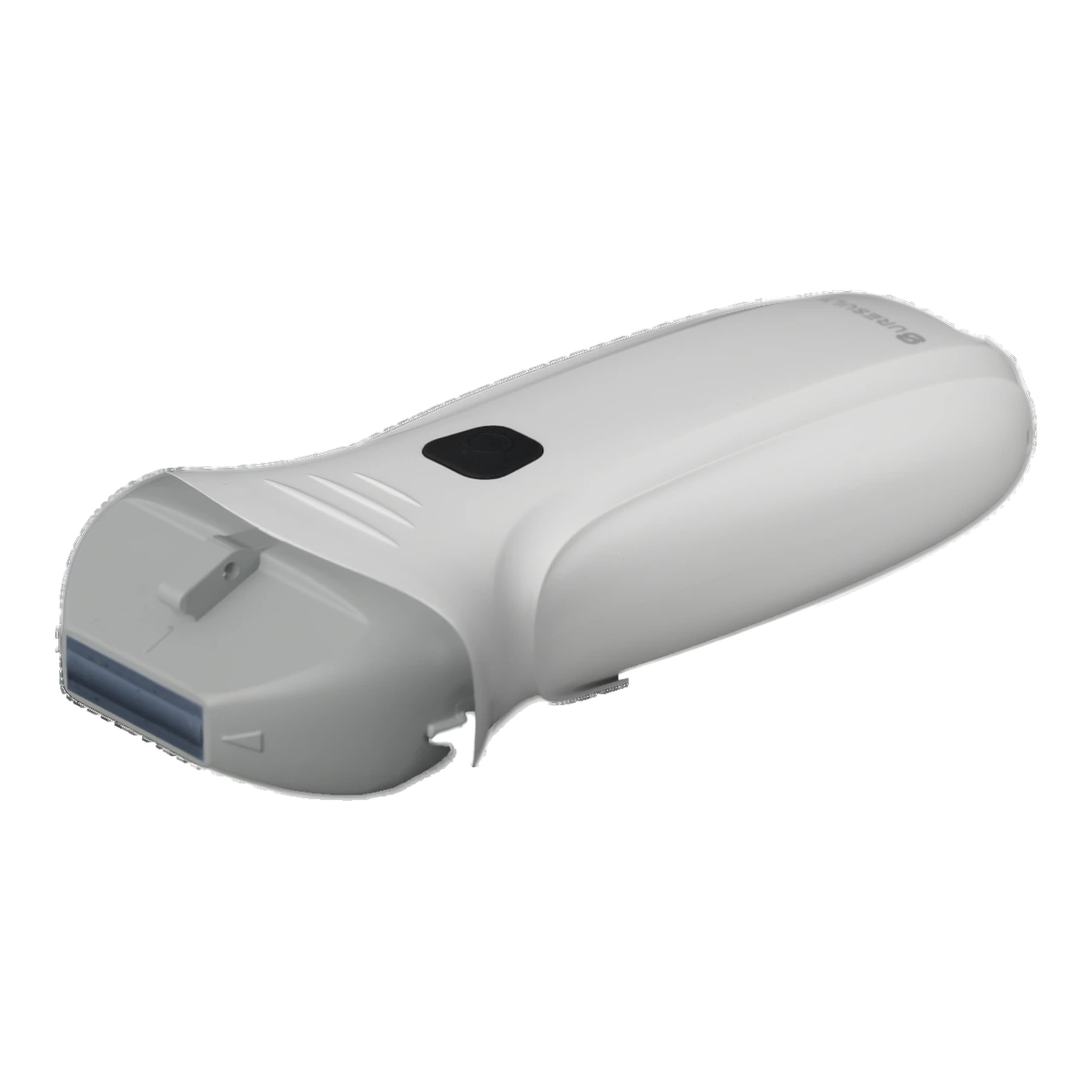 L14 L14 | $2,139 | Lineal 10/14 MHz | 20-80 mm | Modelo básico de alta frecuencia: 192 elementos, 64 canales, superficie de contacto de 25 mm |
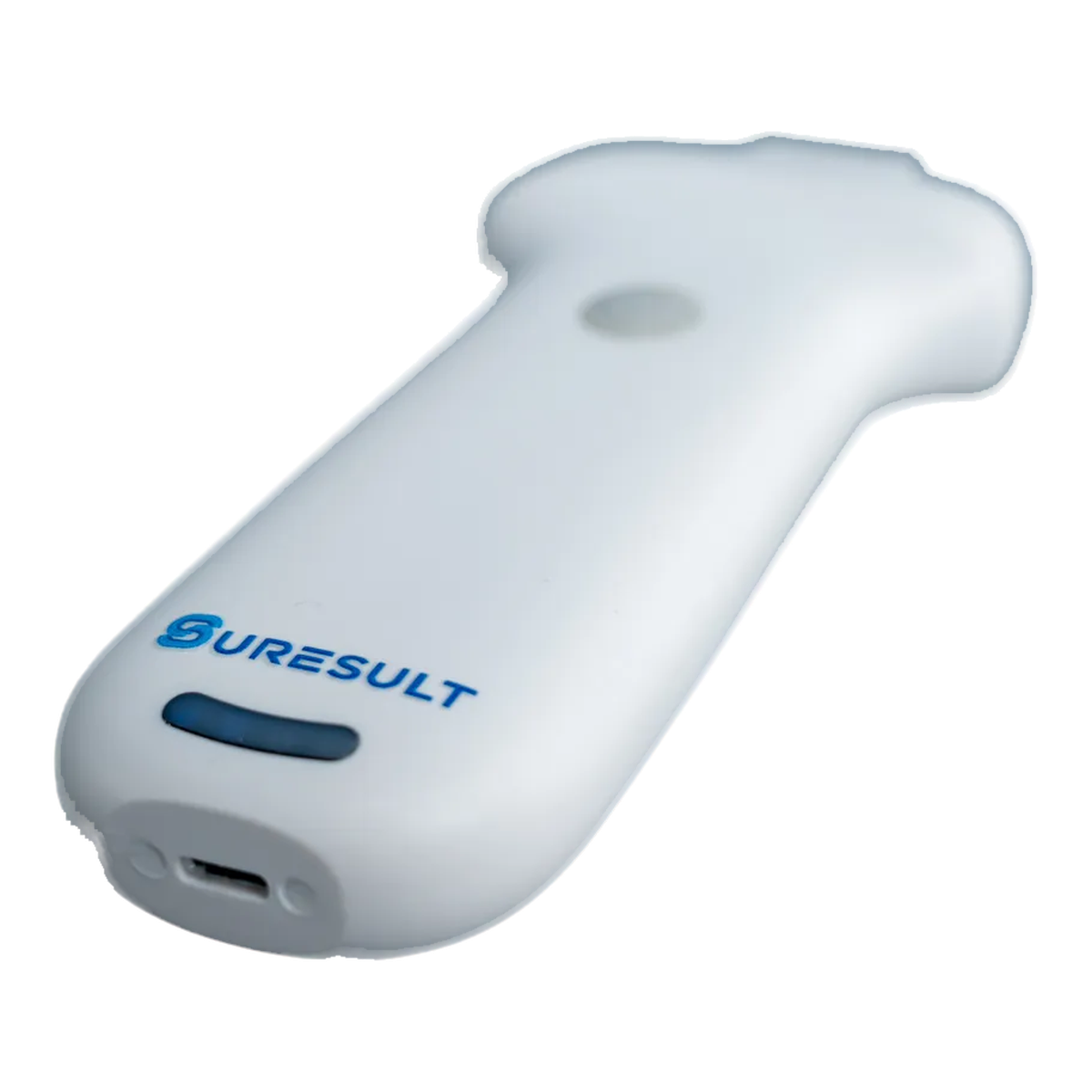 L20 L20 | $2,790 | Lineal 16/20 MHz | 10/20/30/40 mm | Detalle superficial con una matriz de 192 elementos y un peso de 147 g |
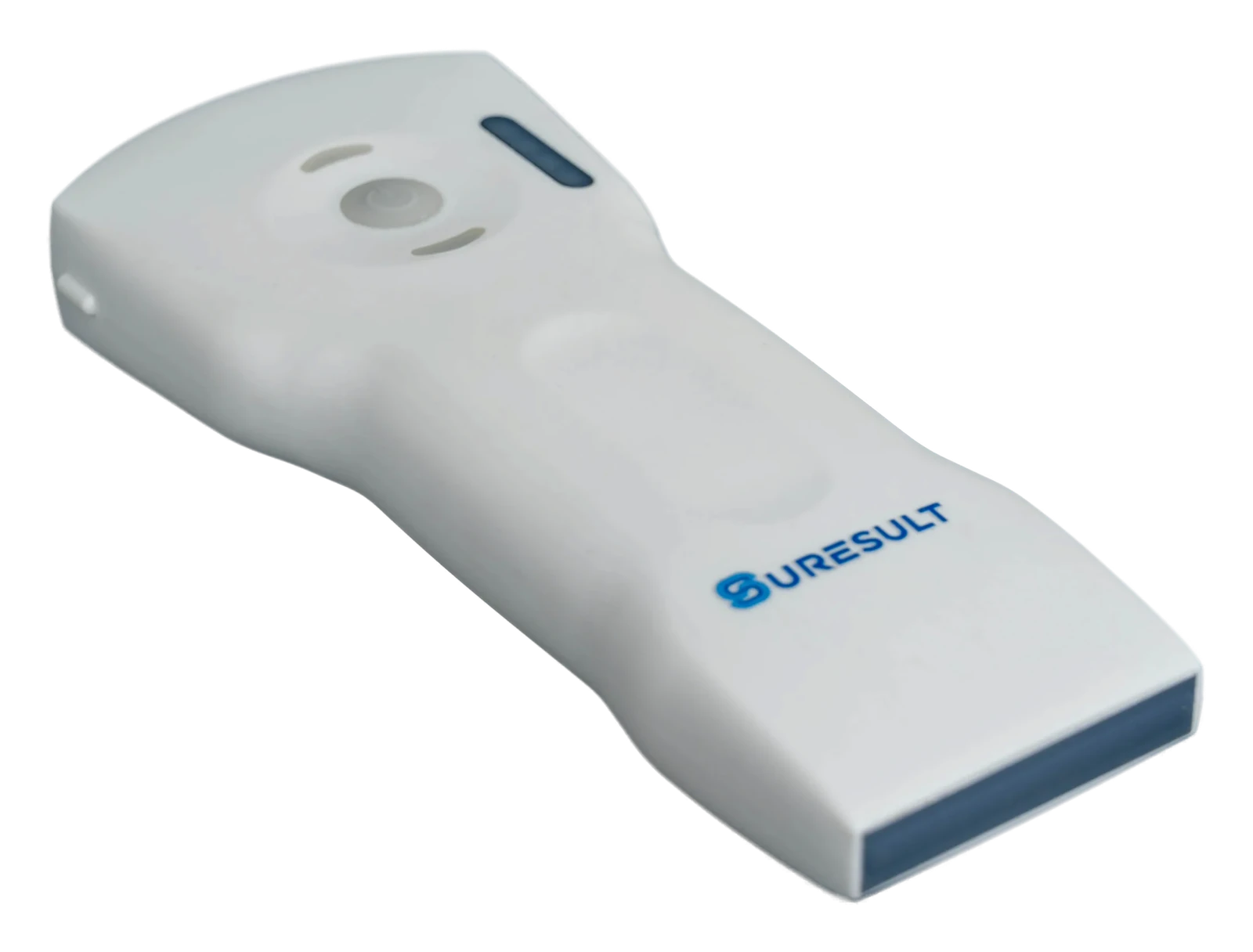 D3Ultra D3Ultra | $2,976 | Lineal 7.5/10 + convexo 3.2/5.0 + sectorial 3.2/5.0 MHz | Lineal 20-100 mm, convexo y sectorial 90-300 mm | Una consulta de medicina deportiva que también explora cadera, abdomen y pulmón con un solo cabezal |
Frente a las marcas conocidas
Suresult frente a Clarius L15 HD3, Butterfly iQ3 y GE Vscan Air CL para medicina deportiva
Deslice para ver todas las columnas →
| Suresult | Clarius L15 HD3 | Butterfly iQ3 | GE Vscan Air CL | |
|---|---|---|---|---|
| Imagen musculoesquelética | Matrices lineales desde 7.5/10 MHz hasta 18/24 MHz; 256 elementos y 64 canales en los modelos L14Pro, L20Pro, L10SH y L24Pro | Ecógrafo lineal de 5-15 MHz, imagen superficial hasta 7 cm según las especificaciones publicadas | Chip único de 1-12 MHz, 152 x 52 x 37 mm | Doble cabezal: una matriz lineal de 192 elementos a 3-12 MHz y una matriz convexa de 128 elementos a 2-5 MHz |
| Rango de profundidad | Desde 10 mm en los modelos L20Pro y L24Pro hasta 100 mm en los modelos L10SH y L10H | Hasta 7 cm en el L15 HD3; según las especificaciones publicadas, el L7 HD3 está optimizado para 11 cm y alcanza un máximo de 15 cm | Los preajustes musculoesquelético y musculoesquelético de tejidos blandos tienen un rango publicado de 1 cm a 12 cm | Matriz lineal con una profundidad publicada de hasta 8 cm; la matriz convexa alcanza los 24 cm |
| Precio del dispositivo | Publicado en cada página de producto: el L14Pro cuesta $3,441 y el L20Pro, $3,720 | Precio publicado de $3,795; el precio publicado del L20 HD3 es de $5,395 | Precio publicado de $3,899 con 3 años de garantía; el iQ+ cuesta $2,699 | Precio publicado desde $4,999 con 3 años de garantía |
| Suscripción | Ninguna. El software se incluye con el ecógrafo. | Clarius Essentials cuesta $695 al año, $1,785 por tres años o $2,500 en un único pago | Core cuesta $299 al año y Advanced, $420 al año, o un pago único de $1,500 por Advanced; en todos los casos se añade el coste de la sonda | GE vende Vscan Air Digital Tools por separado de la sonda y no publica su precio |
| Coste total en destino | Aranceles y envío incluidos en el precio al finalizar la compra, entrega en 1-7 días | Precio de catálogo en EE. UU.; aranceles y envío adicionales fuera de EE. UU. | Precio de catálogo en EE. UU.; aranceles y envío adicionales fuera de EE. UU. | Precio de catálogo en EE. UU.; aranceles y envío adicionales fuera de EE. UU. |
| Peso | Los modelos L14Pro, L20Pro y L24Pro pesan 145 g, y el L20 pesa 147 g | Peso publicado de 290 g para el L15 HD3 | Peso publicado de 300 g para el iQ3 | Peso publicado de 205 g para el Vscan Air CL |
| Registros regulatorios | FDA 510(k) · ISO 13485 · EU MDR (CE) · TGA · ANVISA · Health Canada | FDA 510(k) | FDA 510(k) | FDA 510(k) |
En qué destaca Suresult
- Las nueve ventanas musculoesqueléticas de esta página son capturas sin editar obtenidas con equipos Suresult, incluida una medición poplítea realizada por un comprador con su D3Ultra.
- Los modelos lineales de Suresult cubren 7.5 MHz a 24 MHz, de modo que una clínica puede disponer tanto de un modelo para ligamentos superficiales como de otro para músculos más profundos.
- Cuatro modelos lineales incorporan matrices de 256 elementos con 64 canales: el L14Pro, el L20Pro, el L10SH y el L24Pro.
- Doppler color, Doppler de potencia, Doppler de onda pulsada, modo M y mediciones están incluidos en el precio de todos los modelos de esta página.
- El uso continúa sin renovar ninguna suscripción.El precio publicado de Clarius Essentials es de $695 al año y el de Butterfly Core es de $299 al año.
- Bucles de cine de 100 a 1.000 fotogramas y la exportación DICOM se incluyen de serie en todos los modelos de esta página, lo que permite comparar una ecografía de valoración del retorno deportivo con la primera exploración.
- El L10H incluye entre sus prestaciones la guía de aguja con visualización y permite explorar durante cinco horas seguidas con una batería de 5,600 mAh de capacidad.
- El precio al finalizar la compra es el precio puesto en destino: incluye aranceles y envío, con un plazo de 1-7 días para la entrega.
Las cuentas a cinco años
Clarius Essentials, a $695 al año, suma $3,475 al cabo de cinco años, además de los $3,795 del L15 HD3, o $2,500 si se abona en un solo pago. Butterfly publica Core a $299 al año, Advanced a $420 al año y un pago único de $1,500 por Advanced que cubre el acceso al software durante cinco años. Los ecógrafos Suresult no requieren suscripción.
L14Pro, pago únicoClarius L15 HD3: ecógrafo + suscripción= $3,475 solo en cuotas al quinto año
Tres modelos, una decisión
Tiene dudas sobre qué modelo se adapta a sus casos?
Una conversación basta para obtener una recomendación directa: la sonda Suresult adecuada o un claro “ninguna de las dos.”
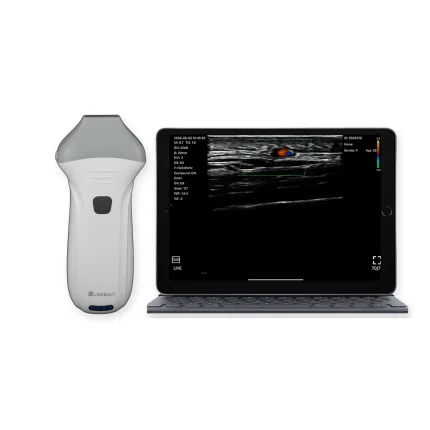
L20Pro
Transductor de alta frecuencia Suresult L20Pro para ecografía facial – 16/20 MHz, 256 elementos, inalámbrico
Frecuencia: 16/20 MHz
Profundidad de exploración: 10/20/30/40 mm
Medicina deportiva
buy scanner

L24Pro
L24Pro 18/24 MHz: sonda ecográfica de 256 elementos para medicina estética y rellenos
Frecuencia: 18/24 MHz
Profundidad de exploración: 10/15/20/25 mm
Medicina deportiva
buy scanner

D3Ultra
Ecógrafo de mano multifunción D3Ultra: convexo, lineal y de matriz en fase
Frecuencia: Sonda convexa / de matriz en fase 3.2/5.0MHz Sonda lineal 7.5/10MHz
Profundidad de exploración: Lineal: 20-100 mm, convexa y sectorial: 90-300 mm
Medicina deportiva
buy scanner


Asesoramiento experto
Hable con un especialista en ecógrafos
Cuente a Suresult cómo trabaja a diario y reciba una recomendación personalizada de ecógrafo con un presupuesto todo incluido.
- Asesoramiento gratuito para elegir su ecógrafo — sondas, frecuencia y profundidad adaptadas a sus procedimientos
- Presupuesto todo incluido — envío, despacho de aduanas e impuestos aplicables incluidos
- Entrega rápida — envío en un plazo de 24 horas, entrega a domicilio en 1–7 días
- No se requiere ninguna suscripción de software — aplicaciones para iOS, Android y Windows incluidas
- Devoluciones en 30 días y asistencia 24/7
El chat en directo se abre aquí mismo — acceso directo y atención inmediata.
