
L’atlas des douze blocs présente des séquences cliniques non retouchées réalisées avec cette gamme d’appareils ; l’illustration du flux en Doppler couleur est une capture issue de la bibliothèque de référence Suresult ·8 717 cliniciens nous font confiance →
Réponse rapide
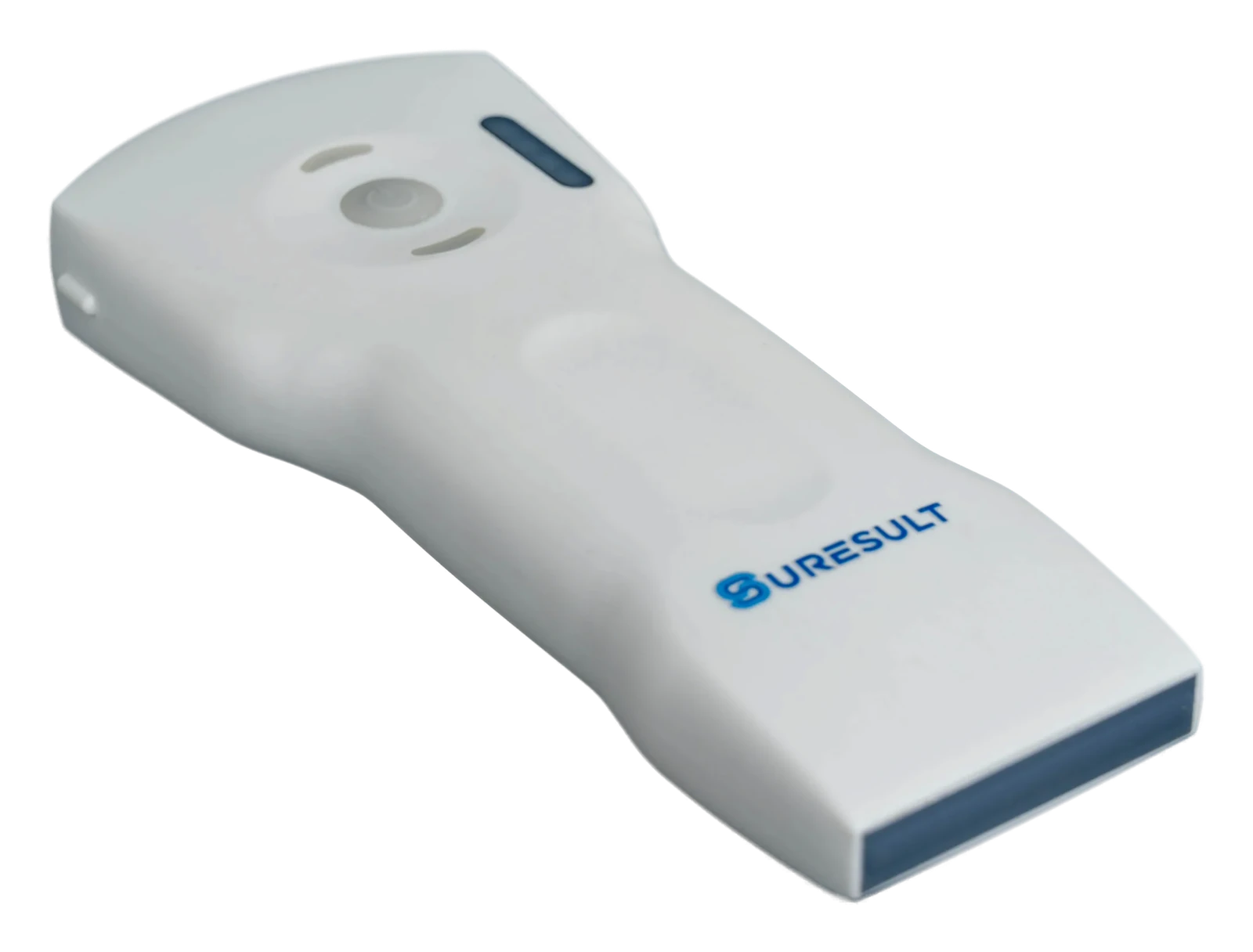
Un échographe pour les blocs nerveux est le système d’imagerie qui montre le nerf cible et guide l’aiguille vers celui-ci en temps réel. Il confirme également la diffusion de l’anesthésique local autour du nerf. Les échographes de poche sans fil à double tête, comme le Suresult D3Ultra, couvrent désormais les blocs plexiques superficiels et les fenêtres profondes comme le nerf sciatique par voie antérieure, des actes qui nécessitaient auparavant un échographe sur chariot.
- Deux têtes : linéaire pour les plexus superficiels, convexe pour les fenêtres sciatiques profondes
- Guides d’aiguille à l’écran : dans le plan et hors plan, avec affichage de la position et de l’angle
- Une qualité d’image adaptée à l’enseignement : chaque bloc enregistré en boucles ciné et en DICOM
L’atlas des blocs
Douze blocs nerveux, visualisés avec un seul échographe de poche
“C’est un excellent échographe de poche pour réaliser des anesthésies locorégionales… Je pratique l’anesthésie locorégionale en chirurgie ambulatoire, en chirurgie majeure à l’hôpital, en réanimation et en médecine d’urgence préhospitalière.”
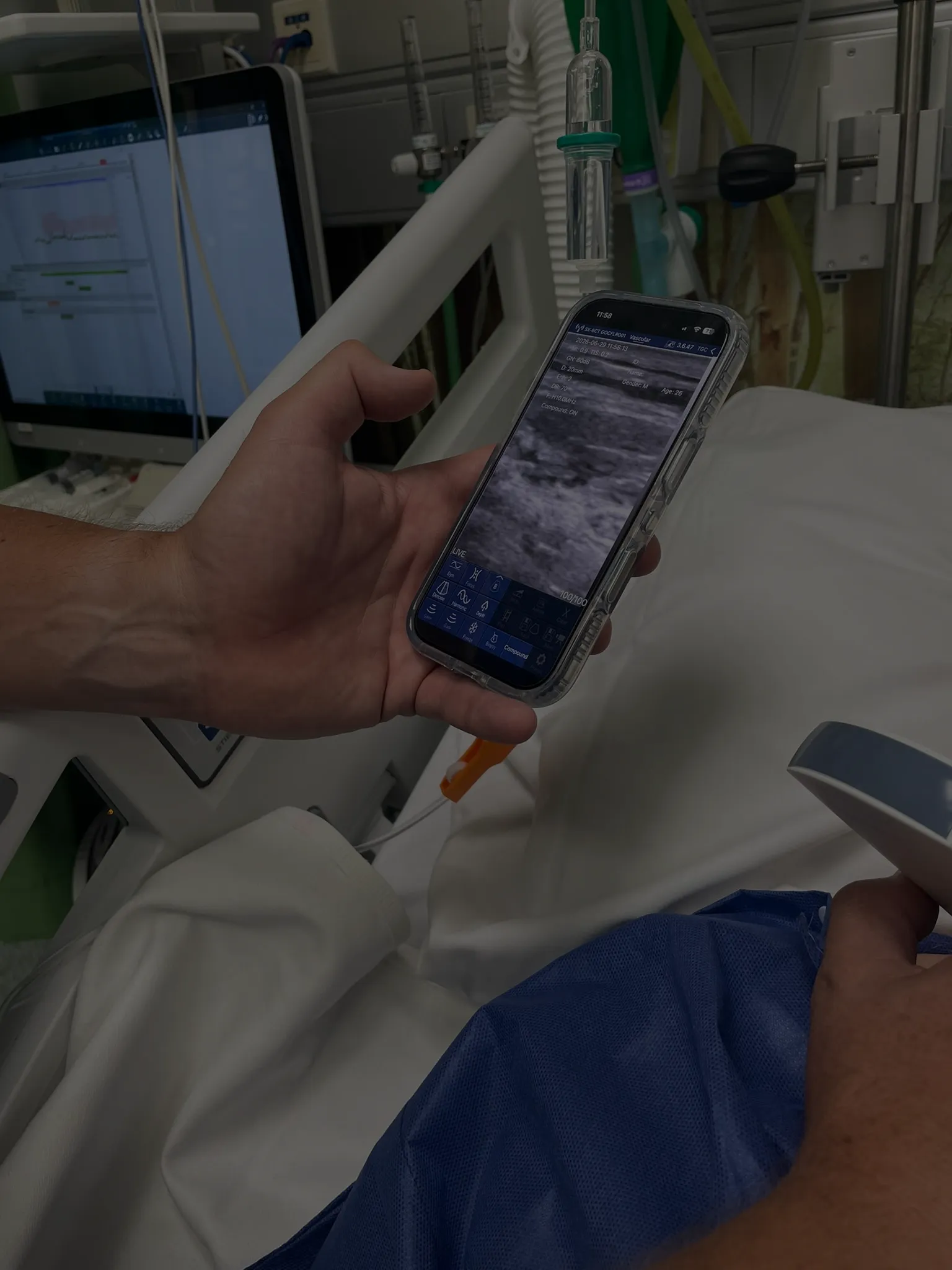
— David Heimpel, qui a réalisé les images des douze blocs ci-dessous avec son D3UltraCaptures cliniques brutes · valeurs du guidage de l’aiguille sur chaque image · sélectionnez une image pour l’agrandir
Images acquises par un anesthésiste allemand avec son propre appareil. Les libellés à l’écran sont en allemand : Winkel = angle de l’aiguille, Position = point d’entrée de l’aiguille par rapport à la sonde, en mm.
Épaule & bras1 bloc
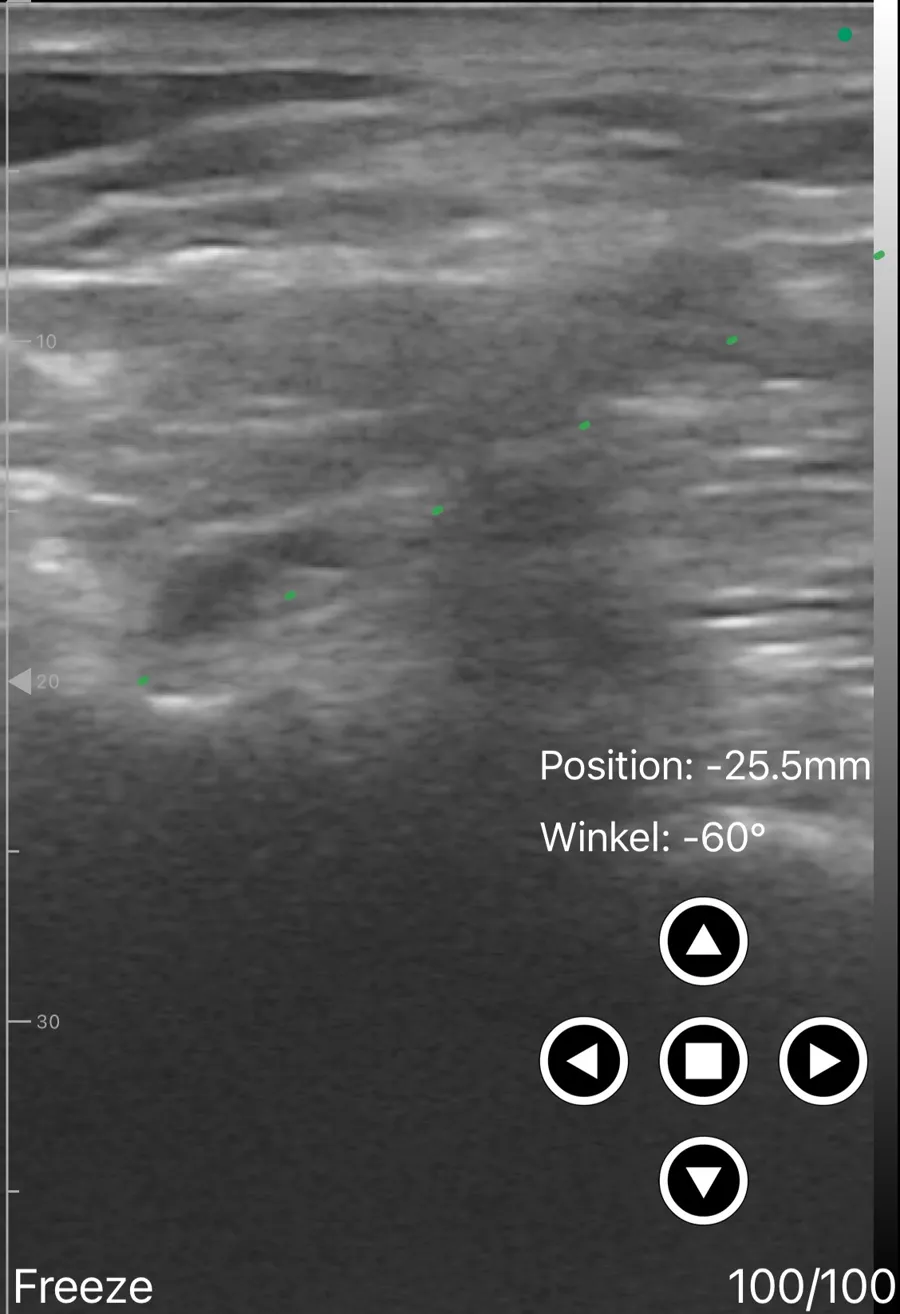
Bloc interscalénique du plexus brachial
Les racines entre les muscles scalènes : chirurgie de l’épaule et du bras. Superficielles, à 1–3 cm, visualisées avec une tête linéaire haute fréquence.
Thorax & tronc4 blocs
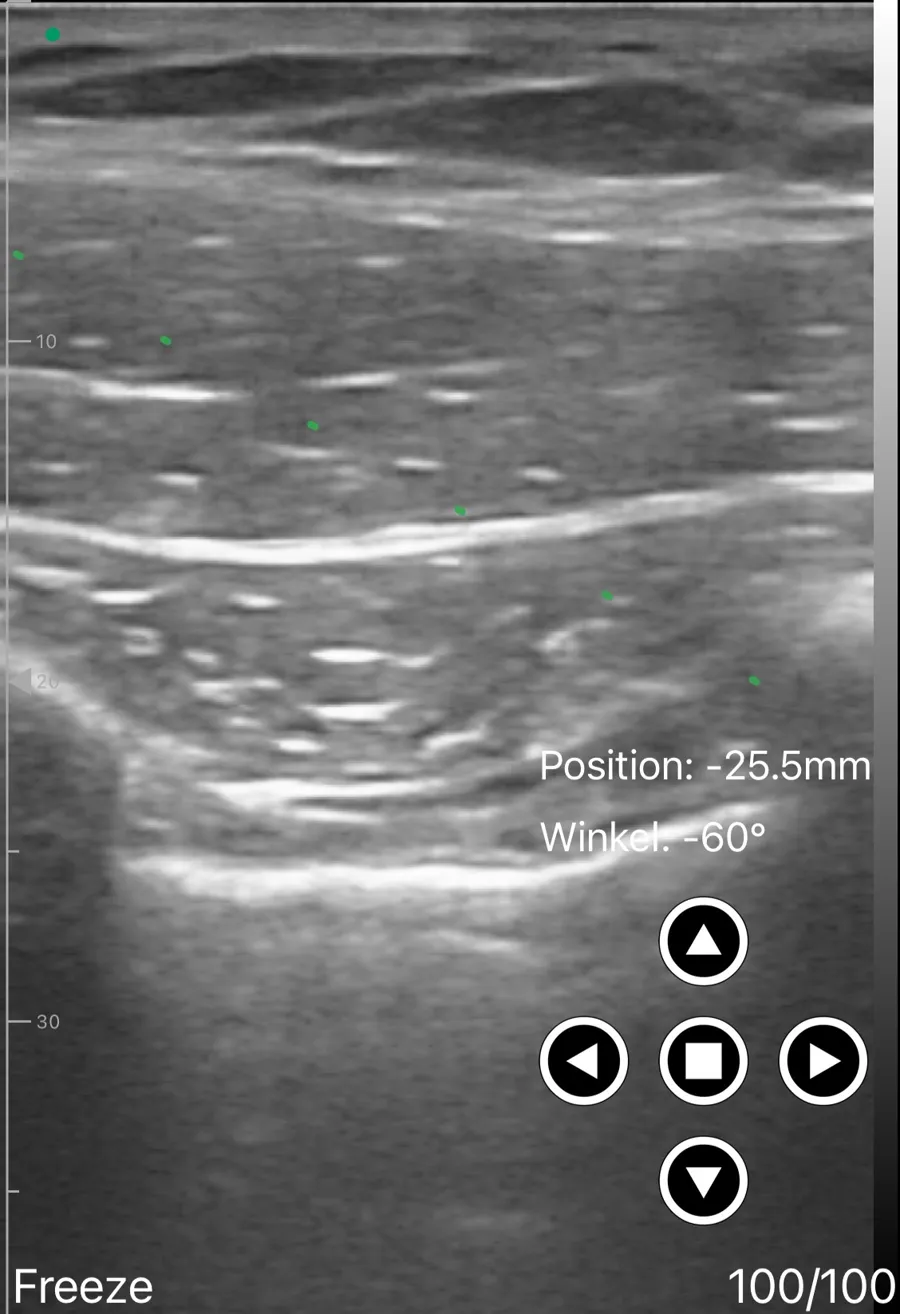
Bloc PECS
Les nerfs pectoraux pour la chirurgie du sein et de la paroi thoracique antérieure. Les plans fasciaux au niveau du grand pectoral, du petit pectoral et du dentelé antérieur, visualisés avec la tête linéaire.
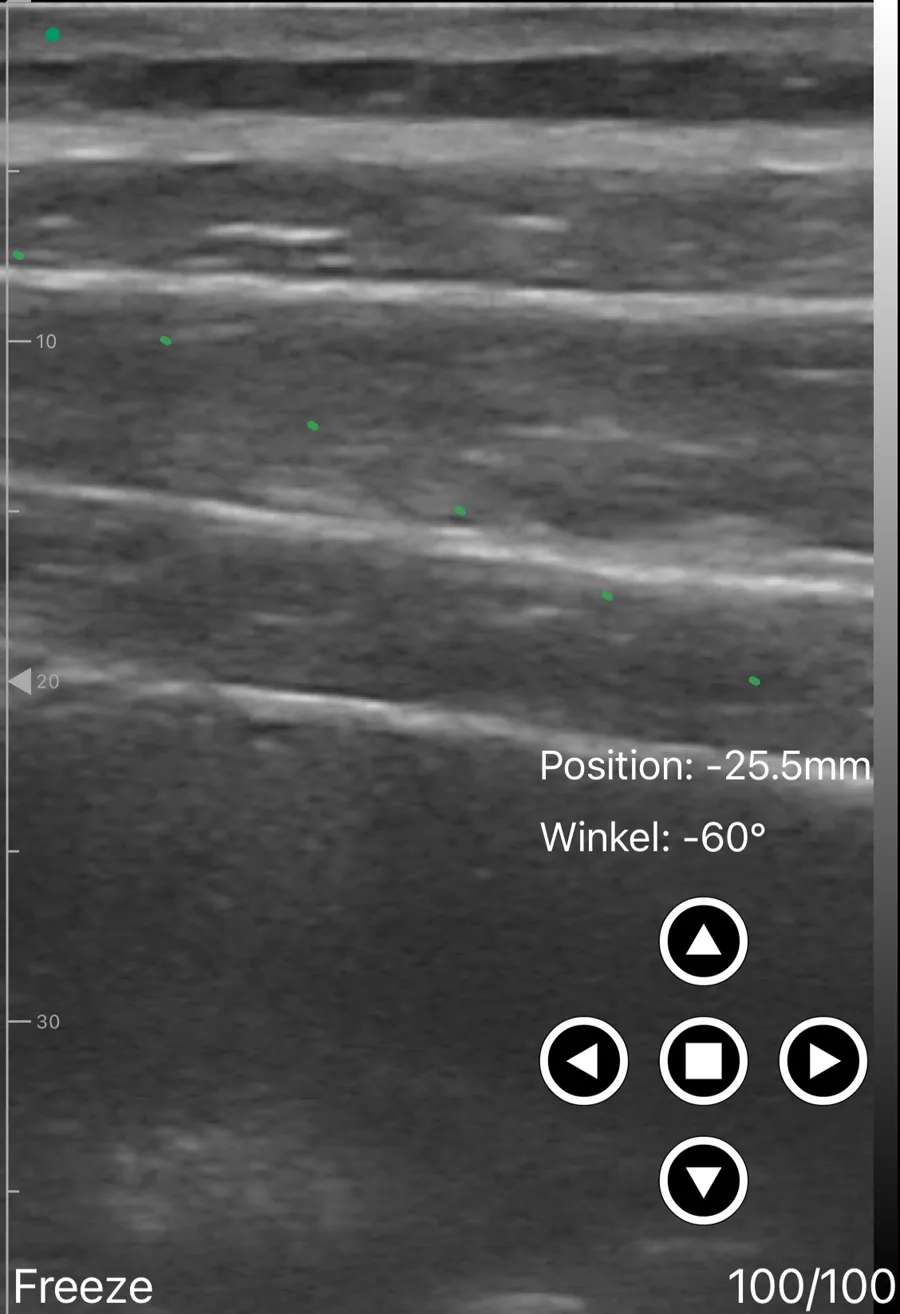
Bloc TAP
Analgésie de la paroi abdominale. Le plan entre l’oblique interne et le transverse de l’abdomen, visualisé avec la tête linéaire sur le côté de l’abdomen.
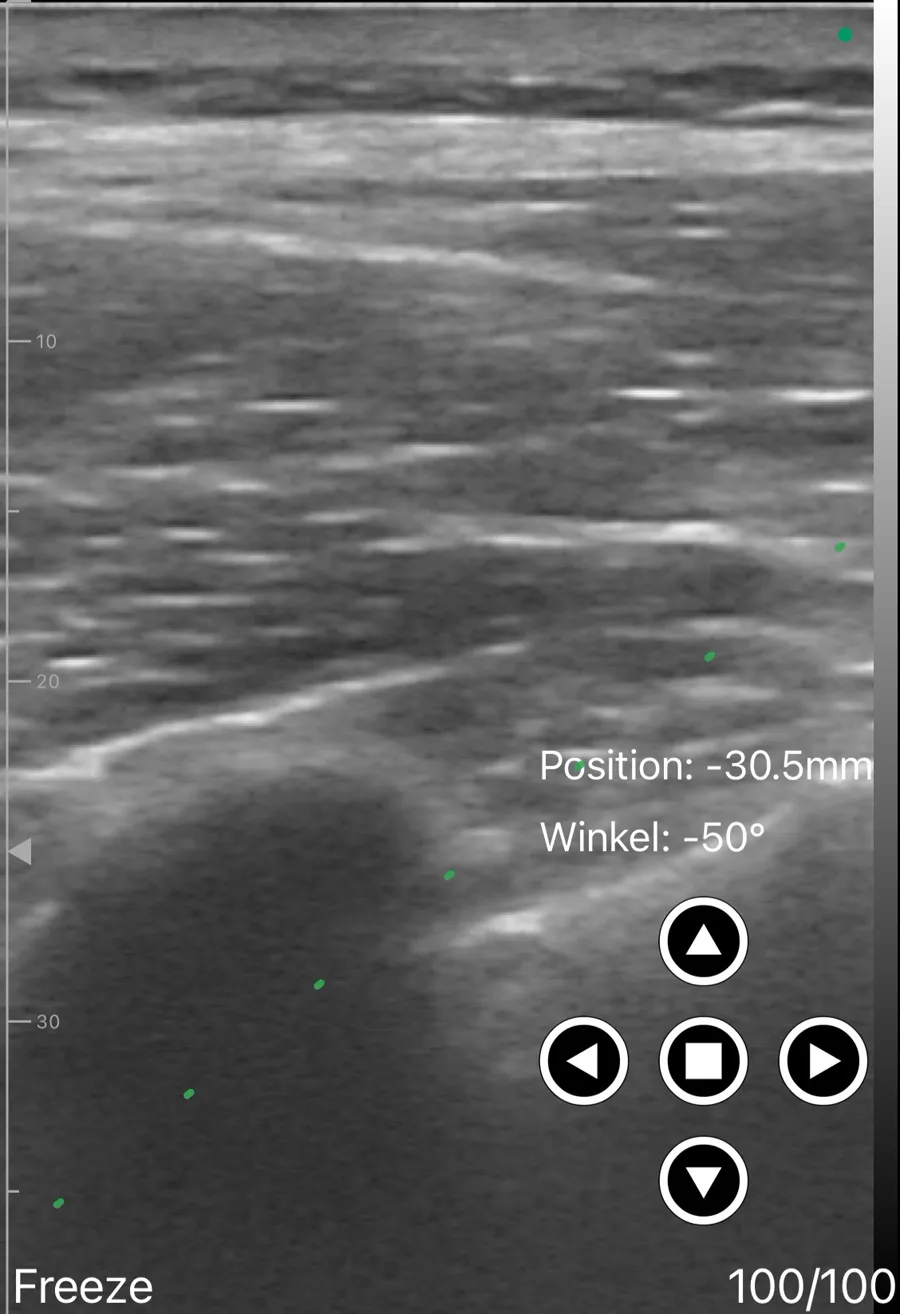
Bloc paravertébral
Analgésie thoracique segmentaire à proximité du rachis. L’espace se situe en profondeur par rapport au processus transverse et latéralement au corps vertébral, à portée de la tête linéaire chez la plupart des adultes.
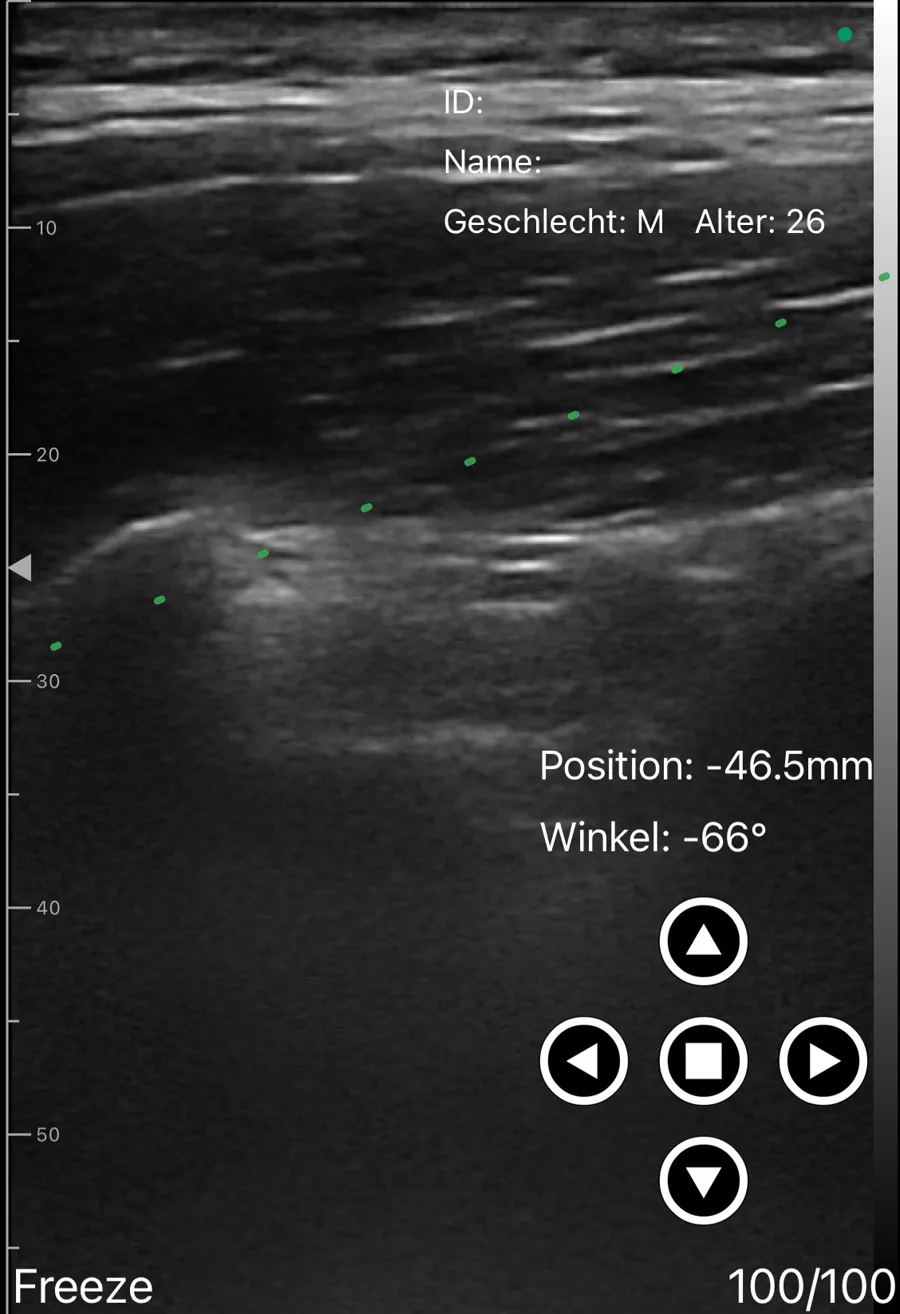
Bloc du plan des muscles érecteurs du rachis
Le plan fascial du bloc ESP : un seul niveau, une large diffusion thoracique. Sous les muscles érecteurs du rachis, au niveau du processus transverse. Tête linéaire ou convexe selon la morphologie.
Hanche & bassin3 blocs
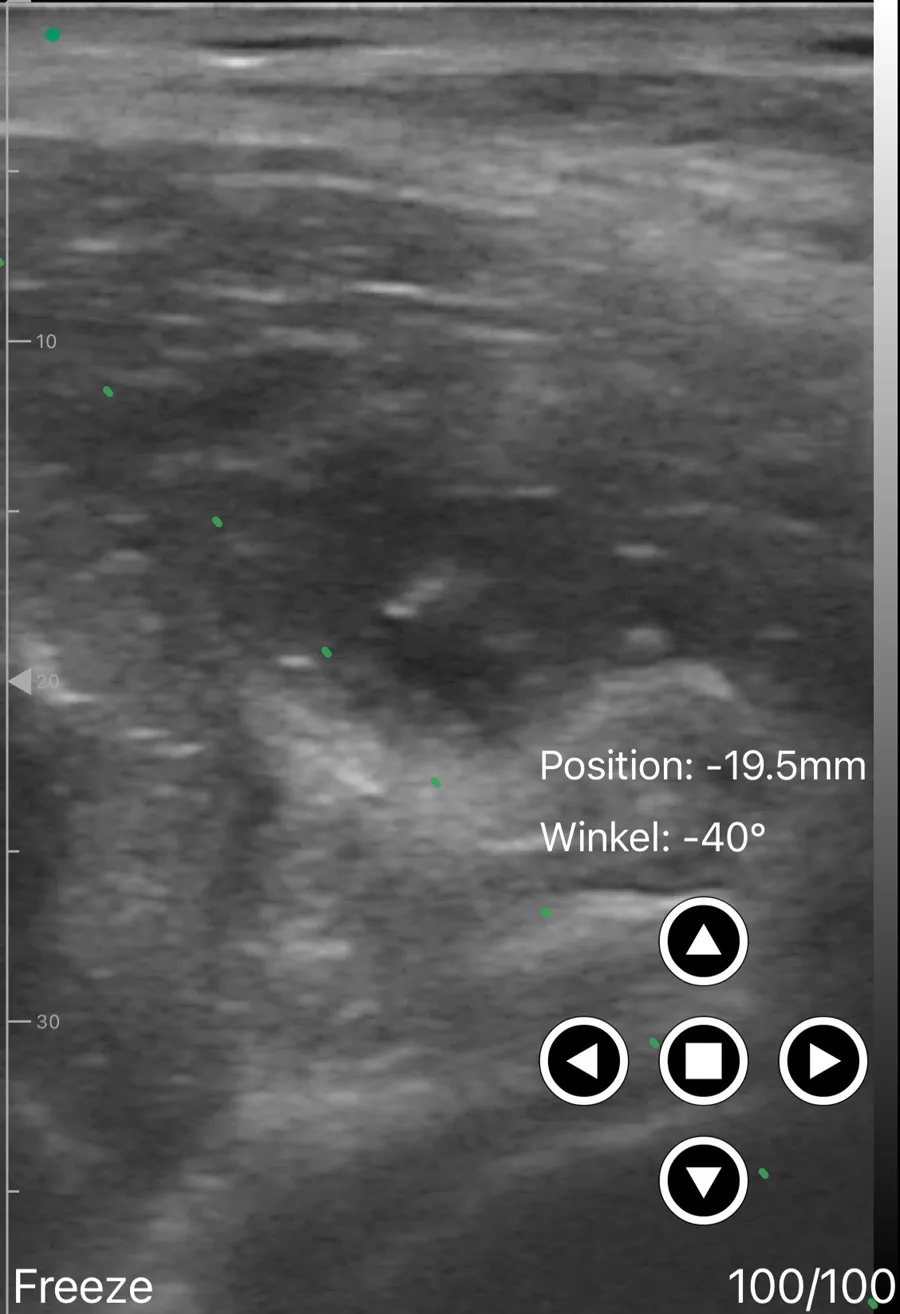
Bloc PENG
Le groupe nerveux péricapsulaire pour les fractures et la chirurgie de la hanche. Entre l’épine iliaque antéro-inférieure et l’éminence iliopubienne, une fenêtre plus profonde qui privilégie la tête convexe chez les patients de forte corpulence.
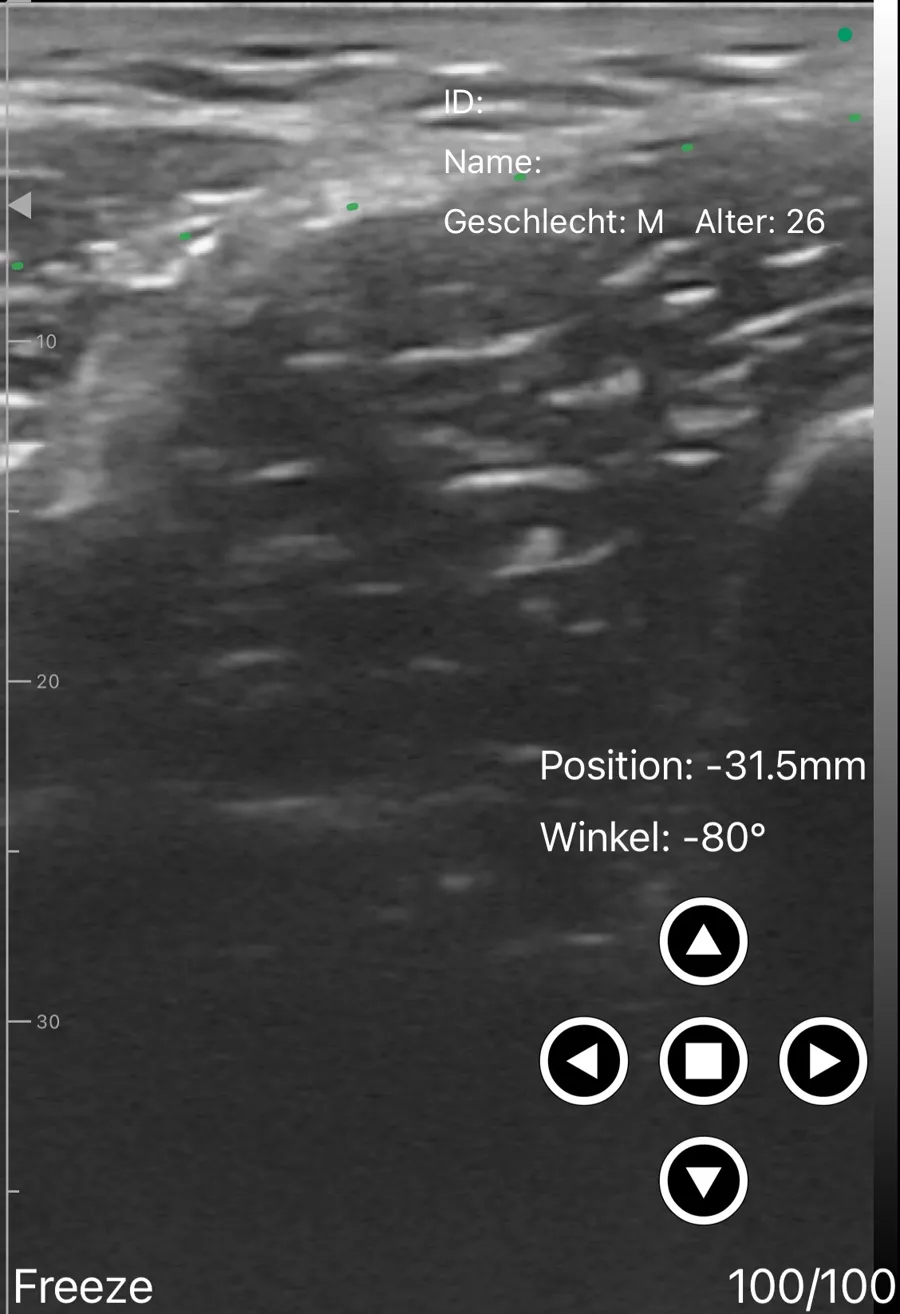
Bloc supra-inguinal du fascia iliaque
L’abord haut du fascia iliaca pour les fractures et la chirurgie de la hanche. Au-dessus du ligament inguinal, sous le fascia iliaca dans la fosse iliaque ; tête linéaire pour la plupart des morphologies.
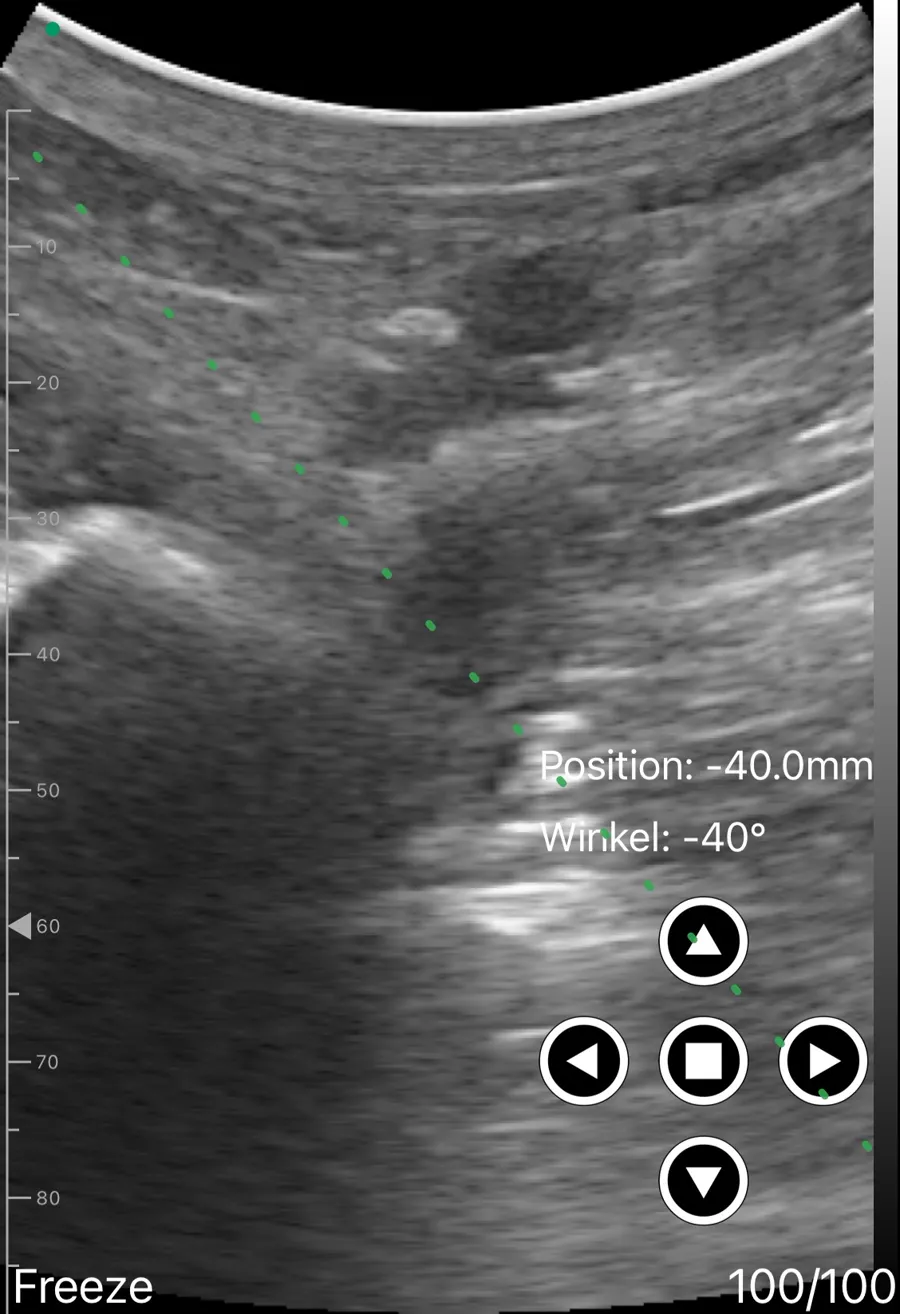
Bloc sciatique proximal (par voie antérieure)
La fenêtre antérieure profonde vers le nerf sciatique proximal. La fenêtre la plus profonde de cette page, à 6–10 cm, dans le champ d’exploration de la tête convexe.
Genou & jambe4 blocs
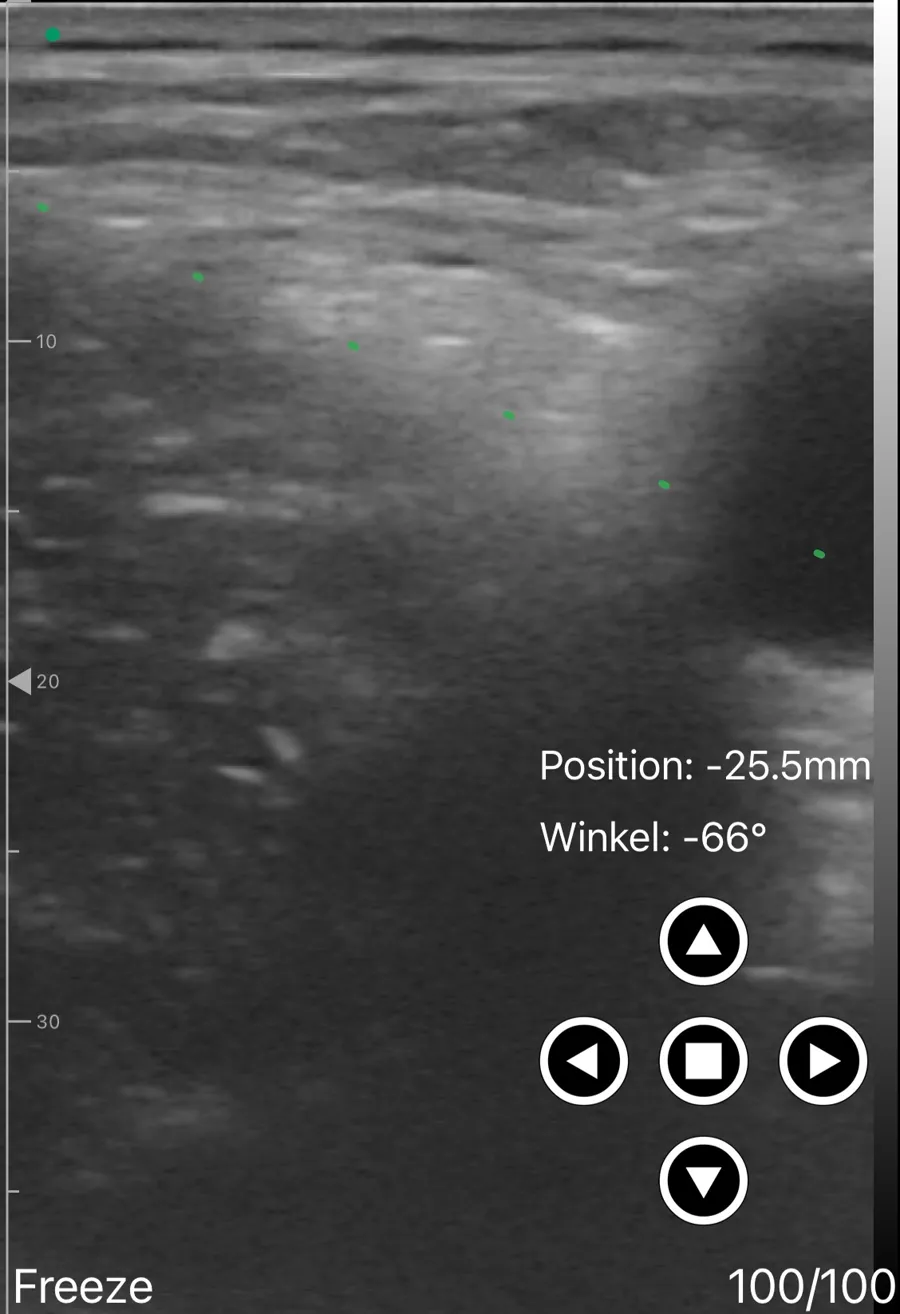
Bloc du nerf fémoral
Chirurgie du genou et de la cuisse ; le nerf se situe latéralement à l’artère fémorale, juste sous le ligament inguinal. Superficiel, visualisé avec la tête linéaire.
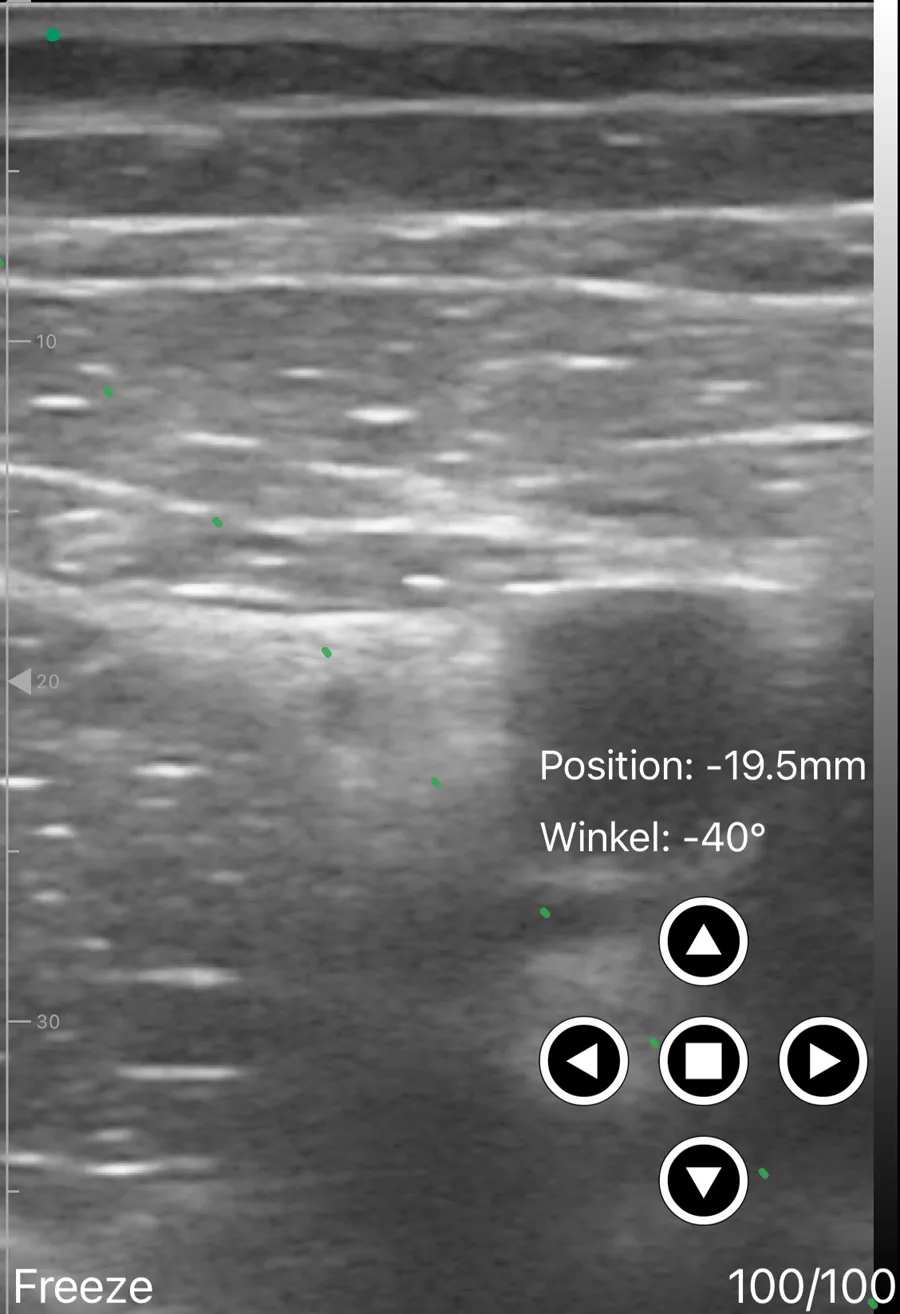
Bloc du canal des adducteurs / du nerf saphène
Le nerf saphène dans le canal des adducteurs : une analgésie préservant la motricité pour la chirurgie du genou. À mi-cuisse, sous le sartorius, à côté des vaisseaux fémoraux, visualisé avec la tête linéaire.
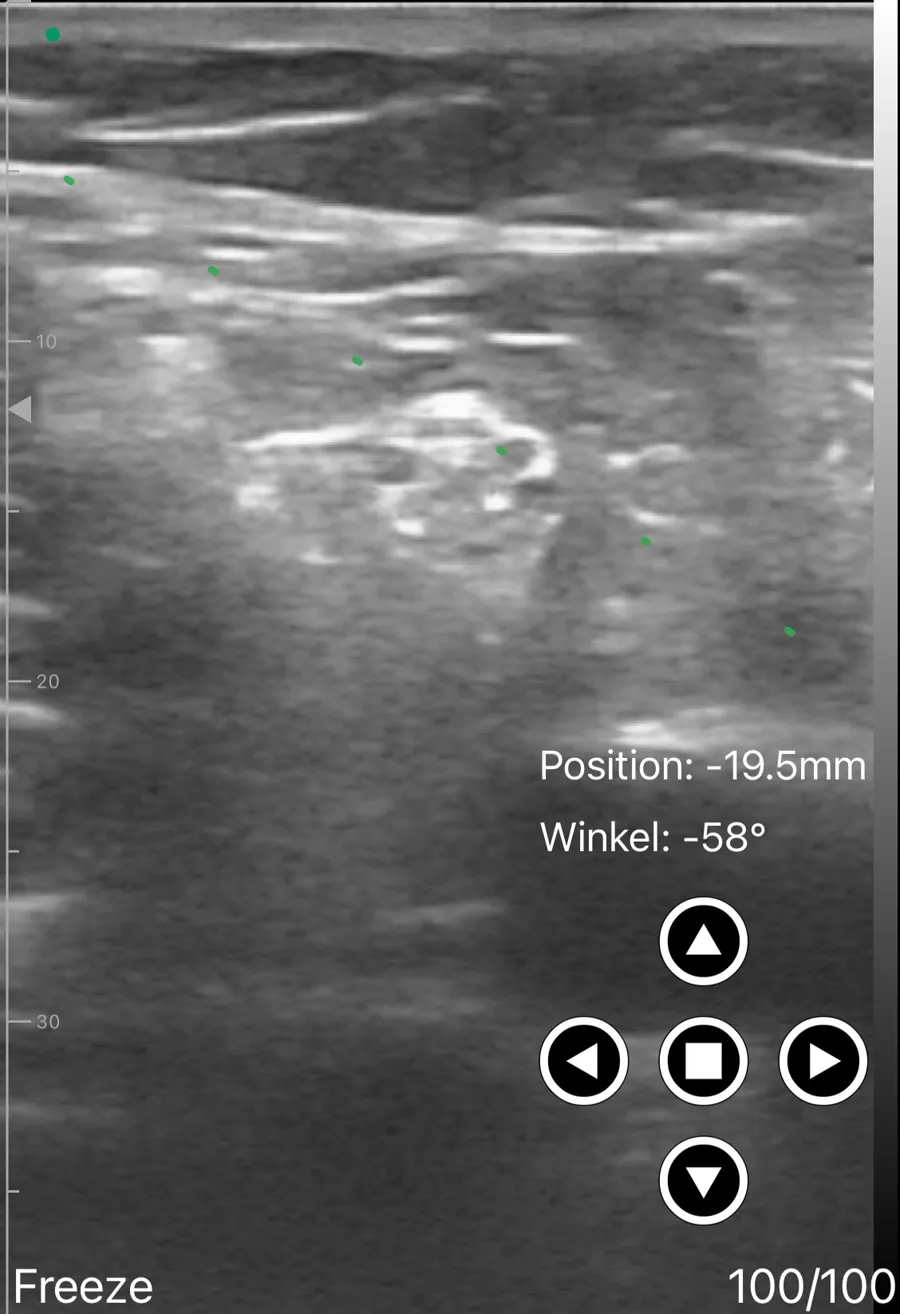
Bloc sciatique distal
Le nerf sciatique juste avant sa division en nerfs tibial et fibulaire commun, au-dessus du pli poplité. Tête linéaire à profondeur modérée.
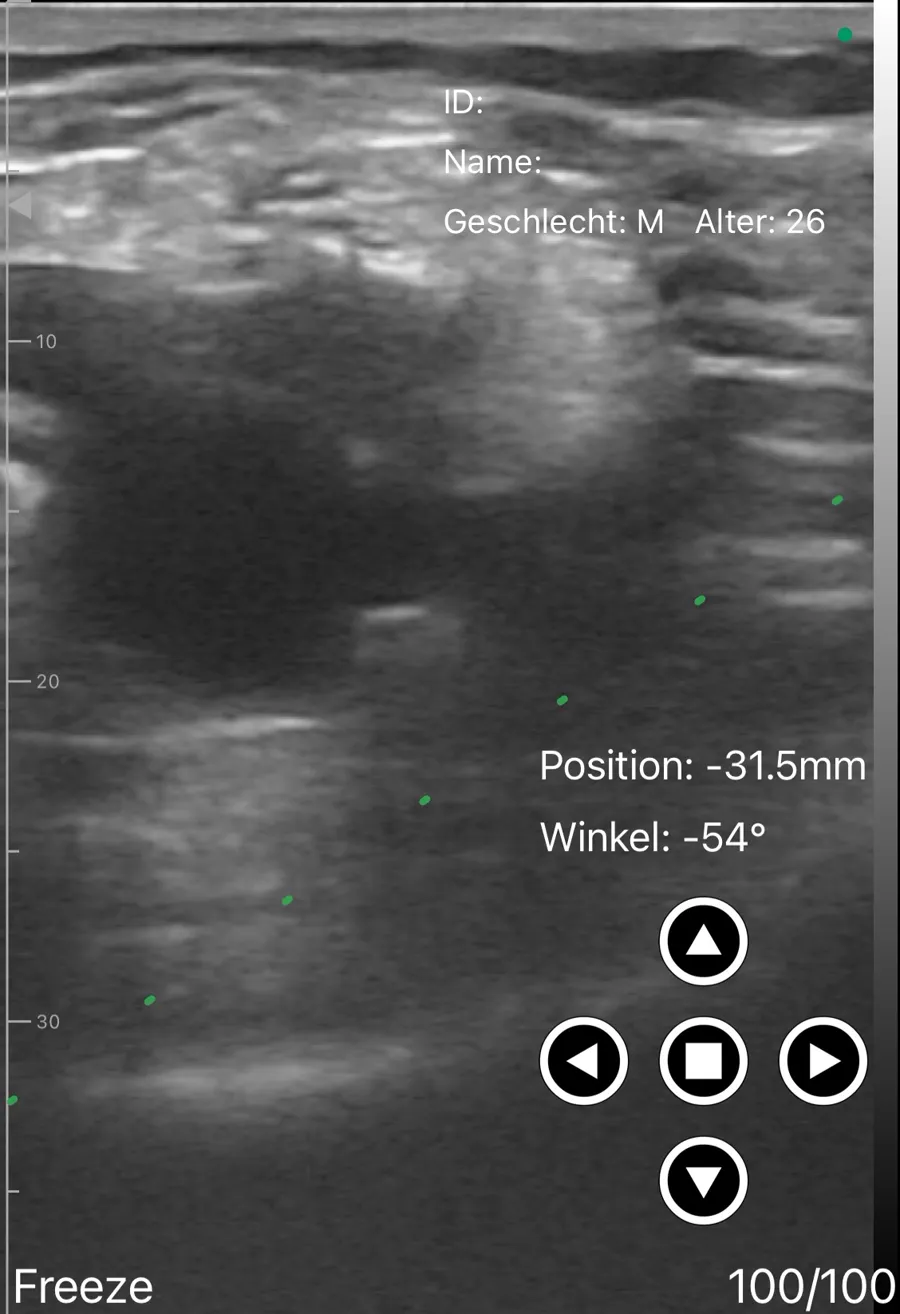
Bloc IPACK
Analgésie de la face postérieure du genou après arthroplastie du genou. L’anesthésique local est injecté entre l’artère poplitée et la capsule postérieure, au niveau des condyles fémoraux.
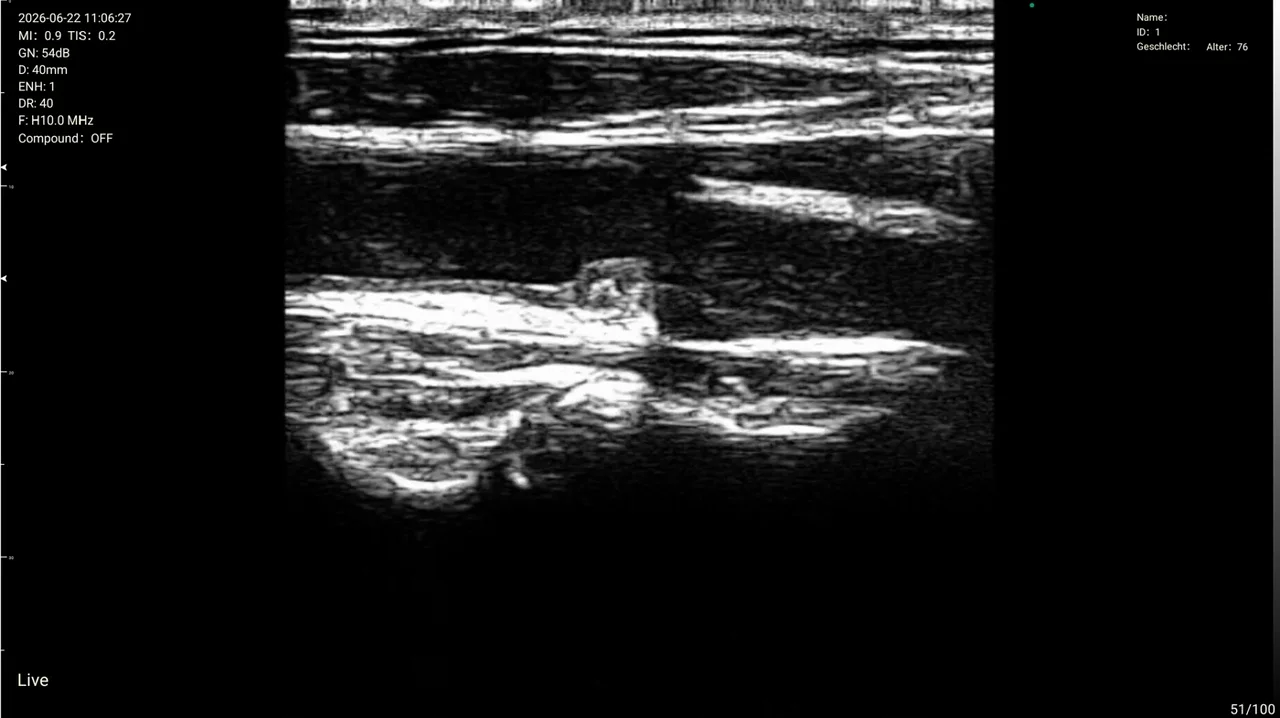
Sélectionnez une carte pour changer de capture
Séquences cliniques réelles : vues des plexus et passages d’aiguille au fil d’une journée complète d’anesthésie locorégionale.
Les bases de la technique
Comment réaliser des blocs nerveux échoguidés avec un échographe de poche
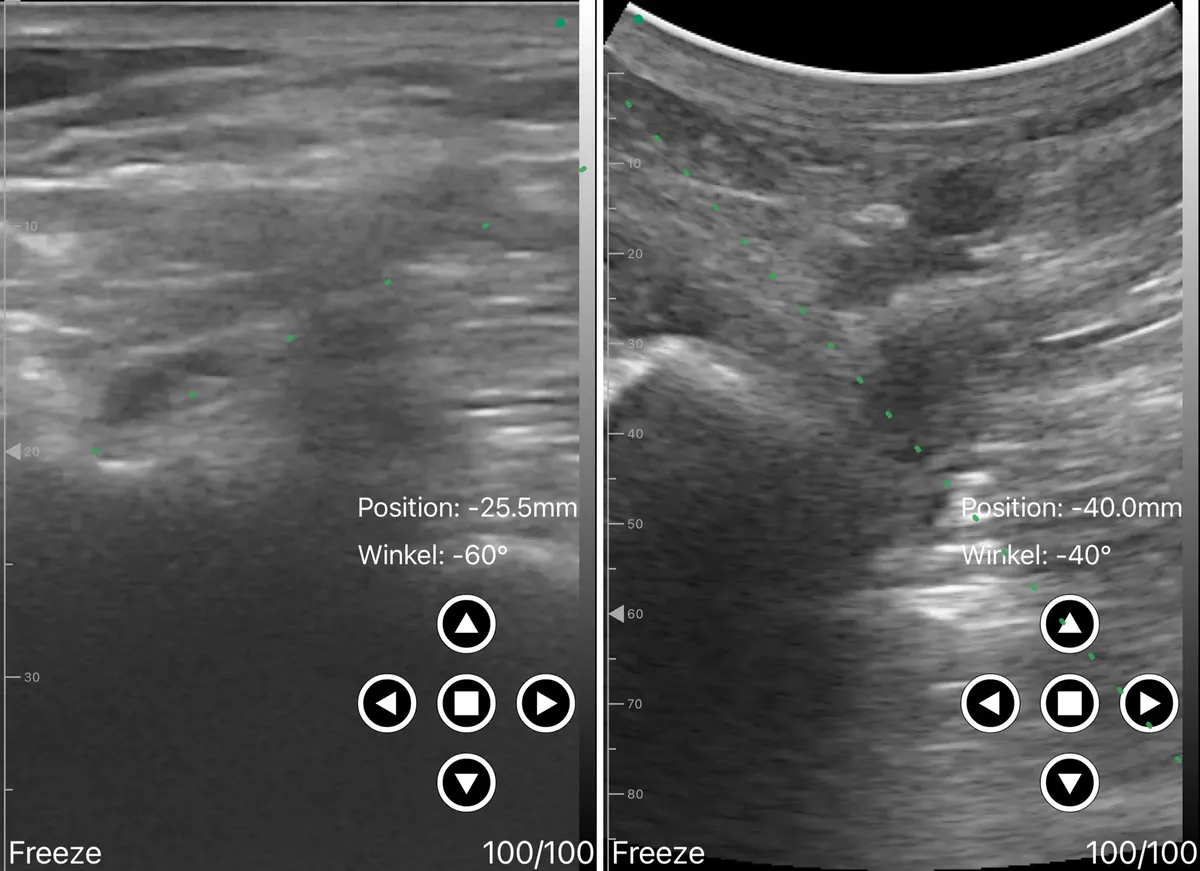 Choisissez la tête selon la profondeur.
Les blocs plexiques superficiels se réalisent avec la tête linéaire ; les fenêtres sciatiques profondes relèvent de la tête convexe.
Linéaire et convexe, un seul D3Ultra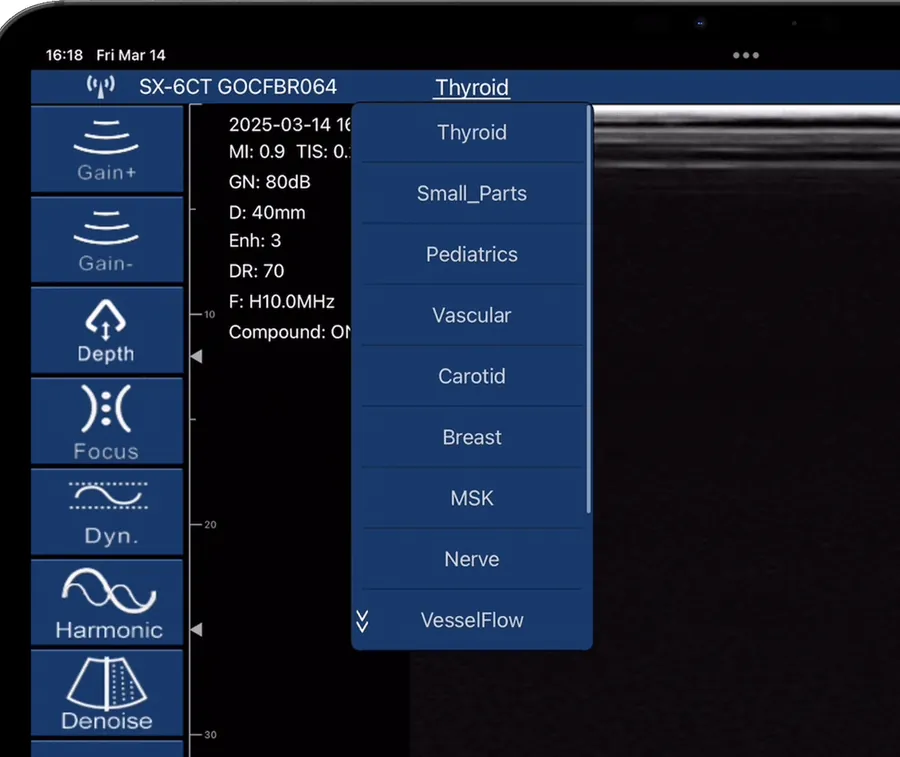 Réglez d’abord la profondeur et le préréglage.
Sélectionnez le préréglage Nerf et réglez la profondeur juste au-delà du plan cible avant d’introduire l’aiguille.
Liste des préréglages dans l’application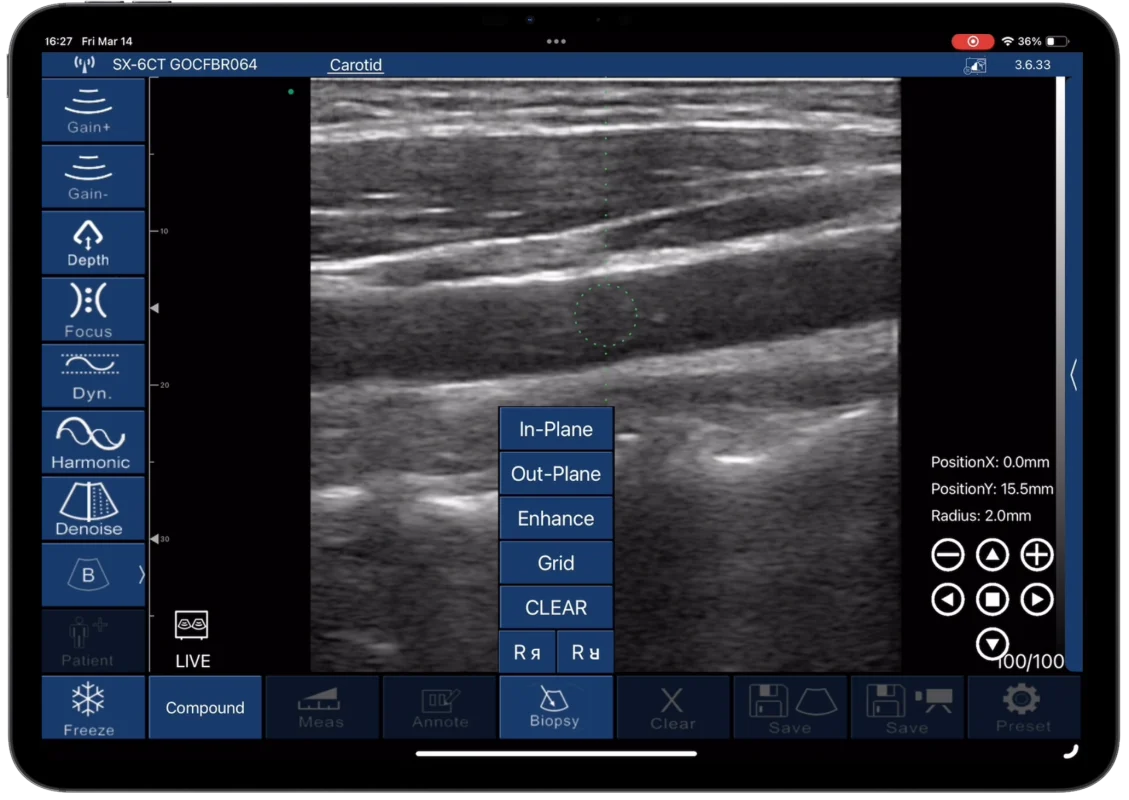 Maintenez l’aiguille dans le plan.
Avancez dans l’axe longitudinal de la sonde en gardant la pointe visible ; le guide à l’écran et l’angle affiché indiquent la trajectoire prévue.
Données affichées du guide d’aiguille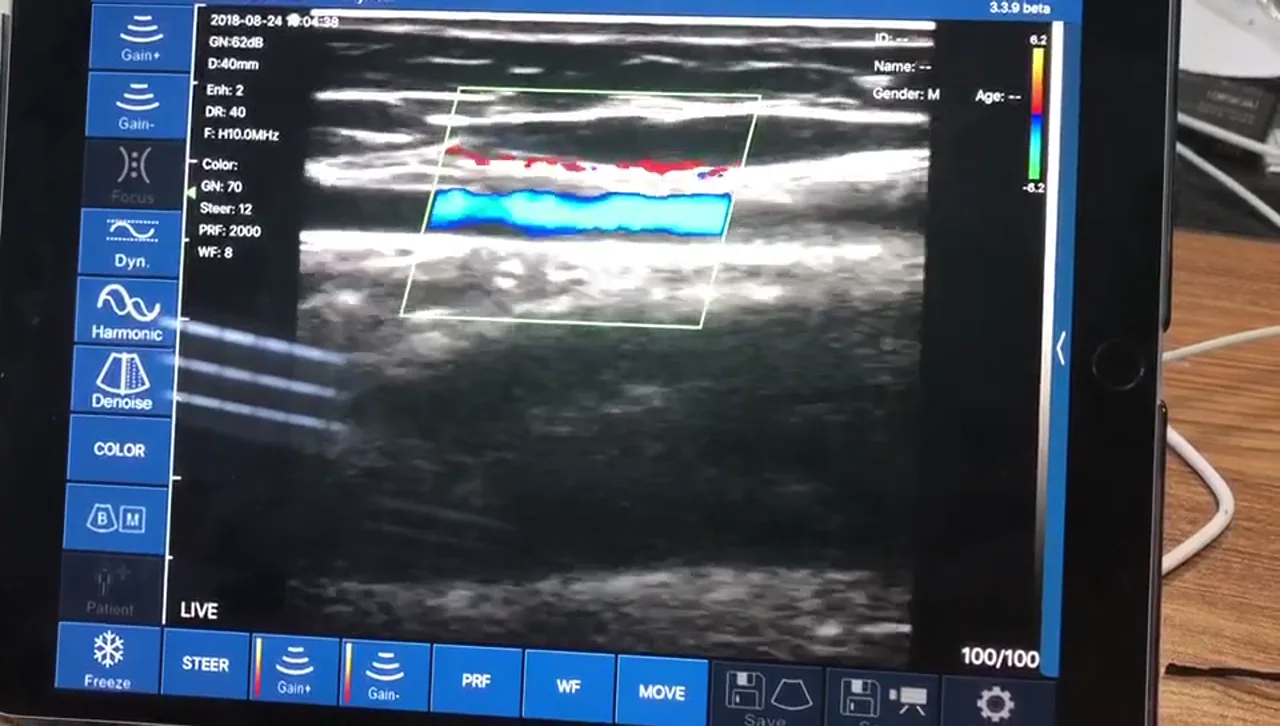 Vérifiez la diffusion.
Le Doppler couleur avant la ponction révèle tout vaisseau sur le trajet de l’aiguille ; la diffusion de l’anesthésique local autour du nerf doit être visible.
Flux couleur, bibliothèque de référence Suresult
Ce que dit la recherche
Les données probantes pour les blocs nerveux échoguidés
- Un meilleur taux de réussite, une installation plus rapide.
Une méta-analyse publiée en 2009 dans le British Journal of Anaesthesia a montré que l’échoguidage réduisait de plus de moitié les échecs de bloc par rapport à la neurostimulation (risque relatif de 0,41). L’installation du bloc était 29 % plus rapide et sa durée prolongée de 25 %.
Abrahams et al., Br J Anaesth 2009 - Moins de ponctions vasculaires.
Une revue Cochrane de 2015 consacrée aux blocs des membres a constaté moins de ponctions vasculaires accidentelles et de paresthésies avec l’échoguidage.
Lewis et al., Cochrane 2015 - Un risque de toxicité réduit.
Une étude de registre publiée en 2013, portant sur 25 336 blocs nerveux en Australie et en Nouvelle-Zélande, a associé l’échoguidage à un taux plus faible de toxicité systémique des anesthésiques locaux (LAST).
Barrington & Kluger, RAPM 2013
Choisissez votre modèle
Le meilleur échographe pour les anesthésistes dépend des blocs que vous réalisez le plus souvent
Le plus choisiL’anesthésie locorégionale est votre quotidienD3Ultra
L’anesthésie locorégionale est votre quotidienD3UltraL’appareil pour les douze blocs présentés ci-dessus : les têtes linéaire et convexe couvrent les douze cibles de l’atlas, du bloc interscalénique au bloc sciatique profond.
$2,976 D3Ultra · double têteAcheter maintenantVoir le D3Ultra →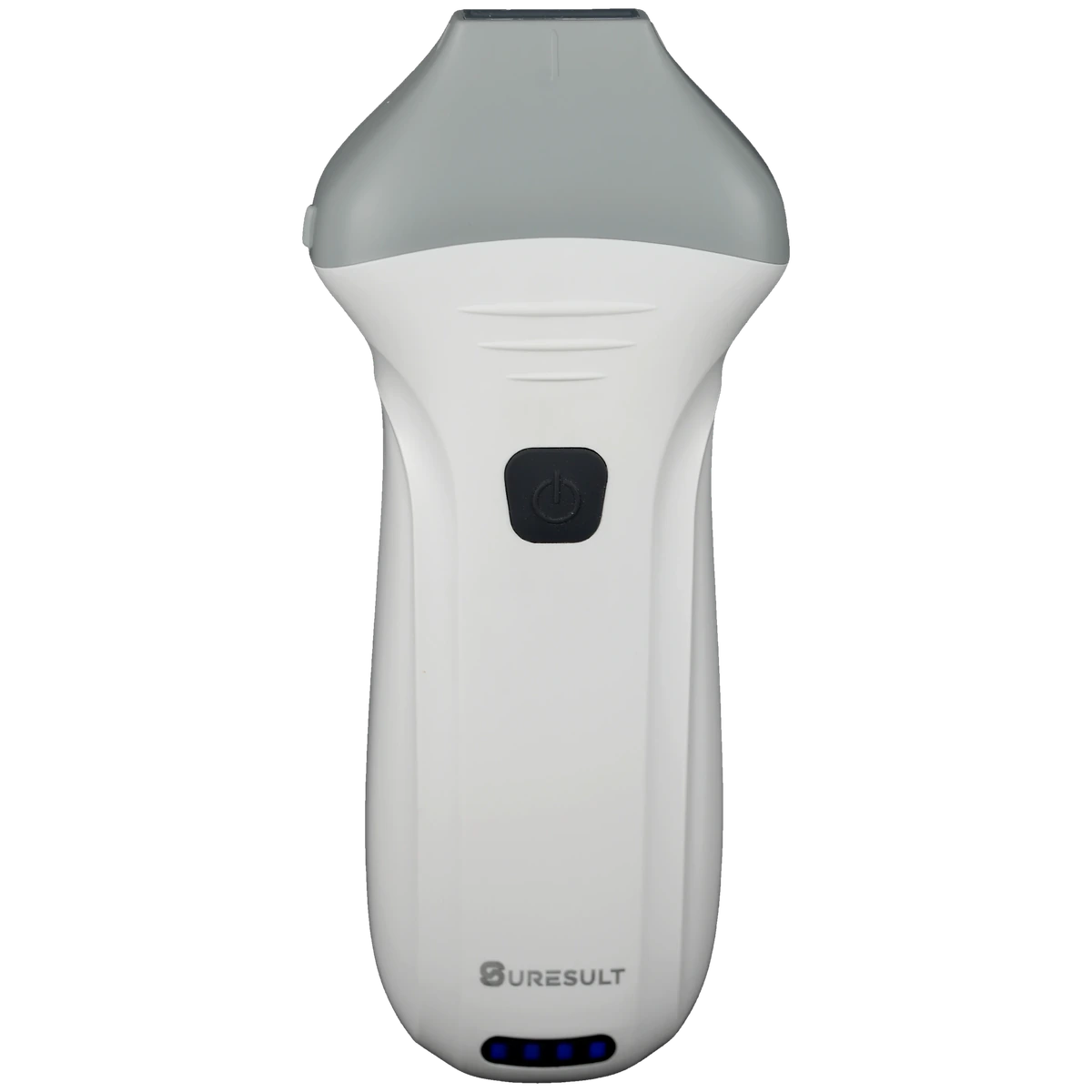 Blocs superficiels & pédiatriquesL20Pro
Les fréquences de 16/20 MHz permettent de distinguer les nerfs superficiels fins et les petites structures anatomiques lorsque le détail est décisif pour le bloc.
$3,720 L20Pro · 256 élémentsAcheter maintenantVoir le L20Pro →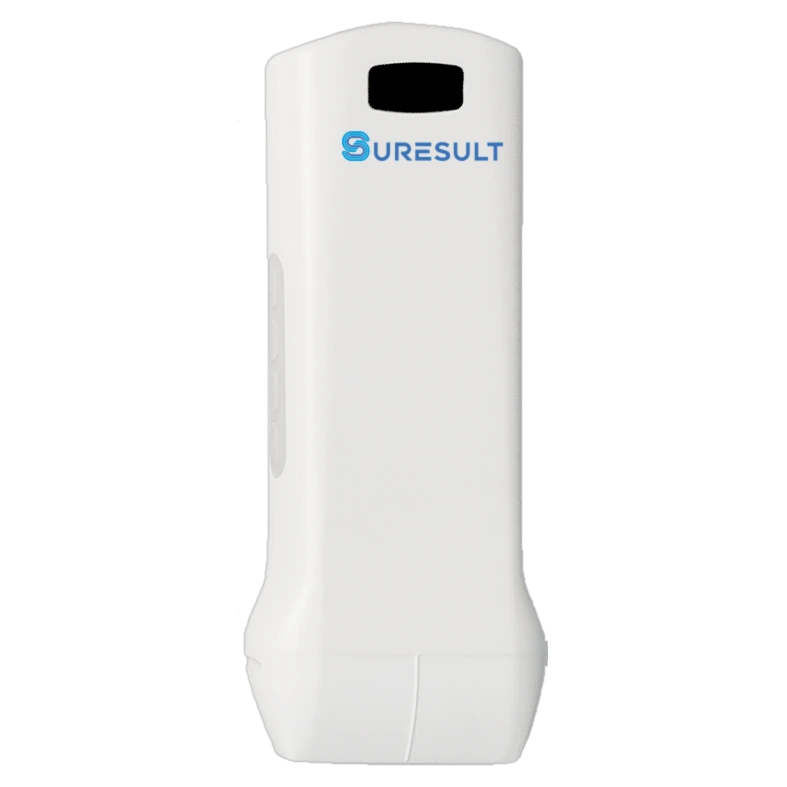 Pour débuter, priorité au budgetL10H
Le modèle linéaire 7.5/10 MHz couvre la plupart des blocs plexiques et des blocs de plans fasciaux à un prix d’entrée de gamme.
$2,325 L10H · sonde linéaire d’entrée de gammeAcheter maintenantVoir le L10H →Comparatif des échographes
Six modèles Suresult pour blocs nerveux comparés
Balayez pour voir toutes les colonnes →
| Modèle | Prix | Fréquence | Profondeur | Idéal pour |
|---|---|---|---|---|
 D3Ultra D3Ultra | $2,976 | 7.5/10 + 3.2/5 MHz | 20–100 mm en linéaire | L’appareil pour les douze blocs de l’atlas : des blocs superficiels au bloc sciatique profond |
 D3Pro D3Pro | $2,697 | 7.5/10 + 3.2/5 MHz | 20–80 mm en linéaire | Trois formats avec une autonomie de 3 heures pour les longues journées de blocs |
 L20Pro L20Pro | $3,720 | 16/20 MHz | 10/20/30/40 mm | Les détails les plus fins pour les blocs superficiels et pédiatriques |
 L14Pro L14Pro | $3,441 | 10/14 MHz | 20/40/60/80 mm | Blocs et examens musculosquelettiques et vasculaires avec une seule sonde |
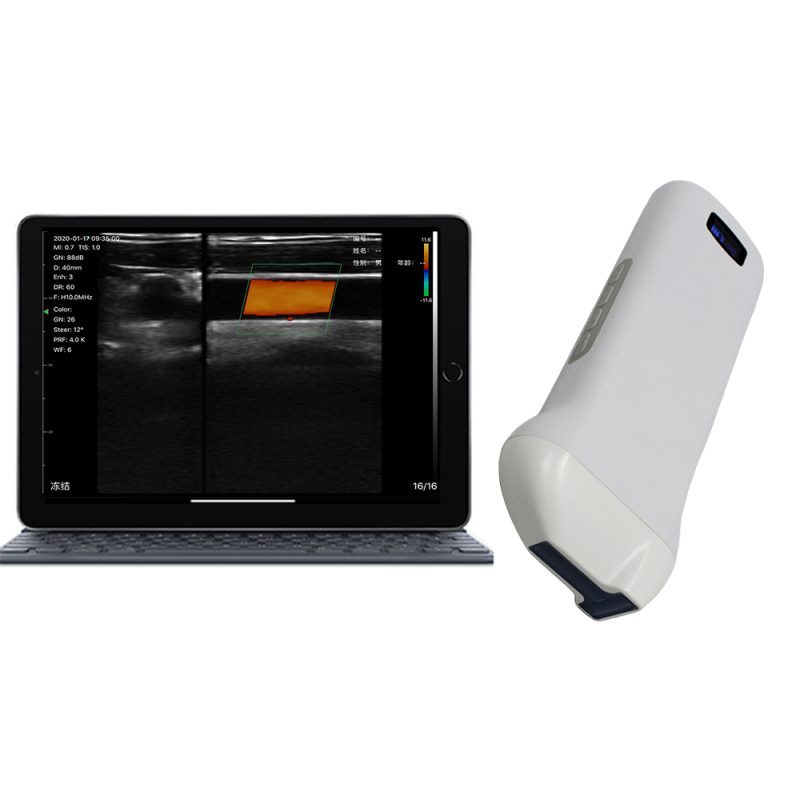 L10T L10T | $2,418 | 7.5/10 MHz | 20/40/60/100 mm | Vue biplanaire : l’aiguille et la cible sur un seul écran |
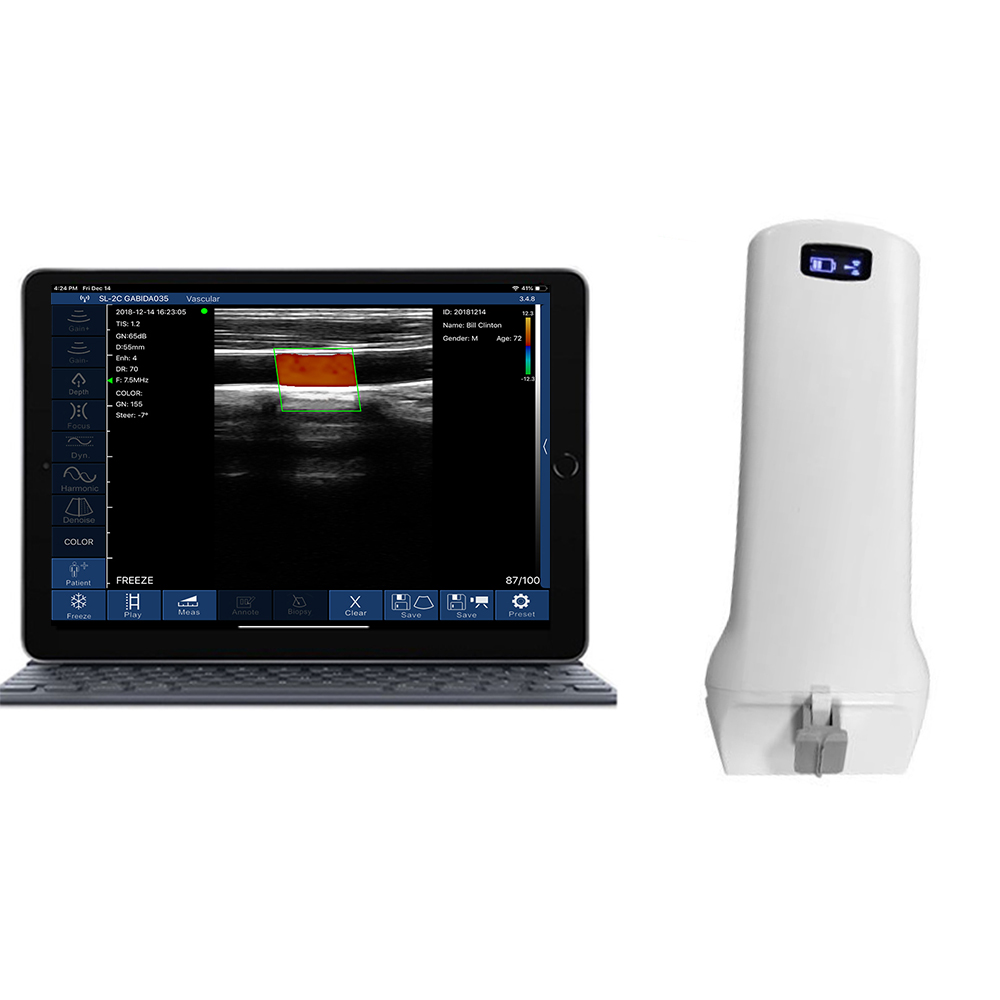 L10H L10H | $2,325 | 7.5/10 MHz | 20/40/60/100 mm | Sonde linéaire à prix d’entrée de gamme pour les plexus et les plans fasciaux |
Face aux marques reconnues
Suresult face à Clarius, Butterfly et GE Vscan pour les blocs nerveux
Balayez pour voir toutes les colonnes →
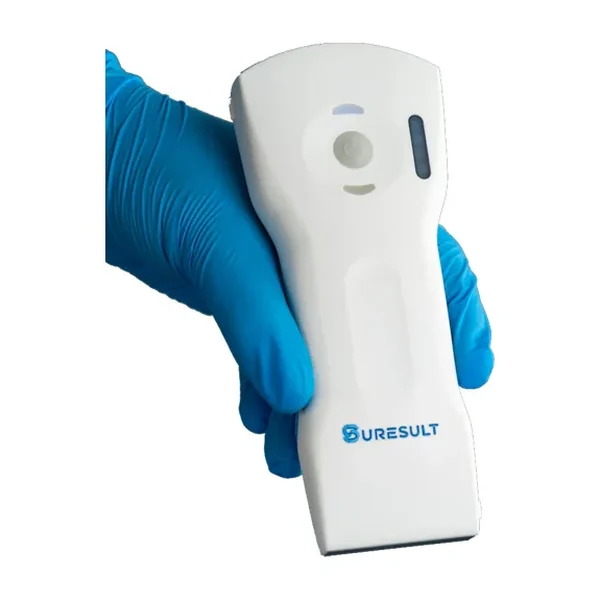 Suresult Suresult | 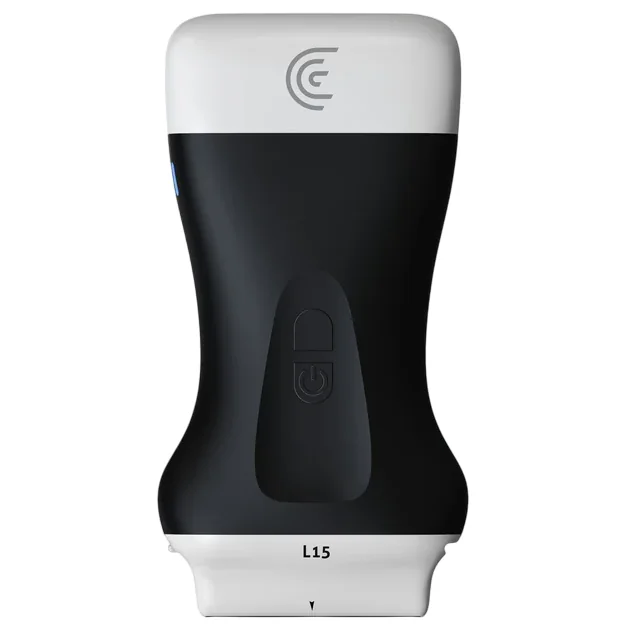 Clarius L15 HD3 Clarius L15 HD3 | 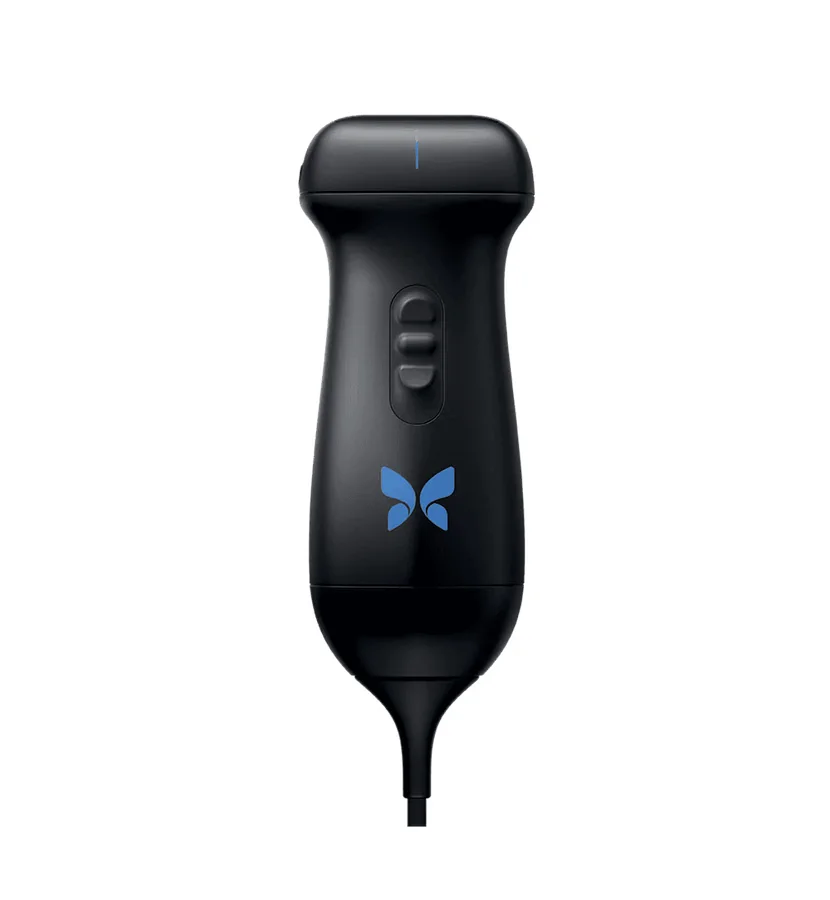 Butterfly iQ3 Butterfly iQ3 | 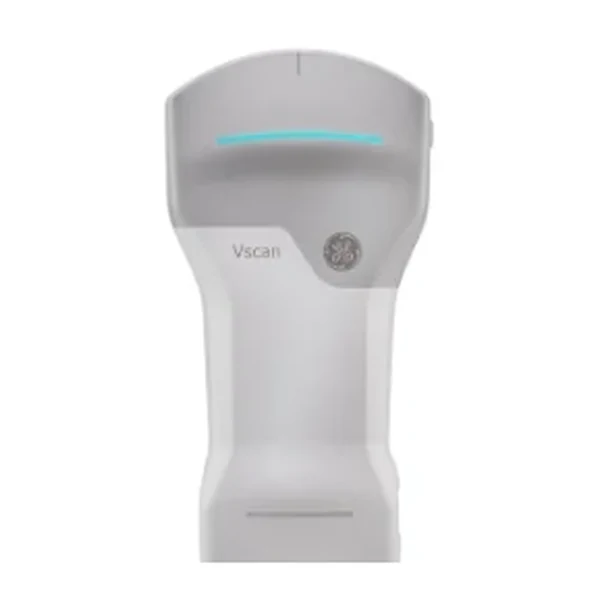 GE Vscan Air CL GE Vscan Air CL | |
|---|---|---|---|---|
| Imagerie des blocs | Double tête : linéaire + convexe sur le D3Ultra | 5–15 MHz en linéaire | Puce unique de 1–12 MHz | Tête linéaire 3–12 MHz |
| Prix de l’appareil | $2,325–$3,720, tarif publié | $3,795 affichés | $3,899 affichés | $4,999 affichés |
| Abonnement | Aucun : logiciel inclus | Abonnement à $695/an, $1,785 pour trois ans, ou $2,500 en paiement unique | Obligatoire: $299–$420/an | Les fonctionnalités Digital Tools nécessitent un abonnement |
| Coût total livré | Droits de douane + livraison inclus, 1–7 jours | Prix catalogue aux États-Unis ; droits de douane et livraison en supplément hors des États-Unis | Prix catalogue aux États-Unis ; droits de douane et livraison en supplément hors des États-Unis | Prix catalogue aux États-Unis ; droits de douane et livraison en supplément hors des États-Unis |
| Enregistrements réglementaires | FDA 510(k) · ISO 13485 · EU MDR (CE) · TGA · ANVISA · Health Canada | FDA 510(k) | FDA 510(k) | FDA 510(k) |
Les atouts de Suresult
- Douze blocs documentés.Chaque capture de l’atlas ci-dessus provient d’un examen échographique non retouché réalisé par un acheteur ; les captures sont regroupées par région anatomique, avec les données du guide d’aiguille à l’écran.
- Sans abonnement ni frais logiciels.Le Doppler couleur, les guides d’aiguille, les mesures et l’export DICOM sont inclus avec chaque échographe.
- Le prix affiché au paiement est le prix total livré.Droits de douane et livraison inclus, livraison en 1–7 jours.
- Enregistré là où vous exercez.FDA 510(k) · ISO 13485 · EU MDR (CE) · TGA · ANVISA · Health Canada.
Le calcul sur cinq ans
L’abonnement Clarius à $695/an représente $3,475 sur cinq ans, auxquels s’ajoute le prix de l’échographe lui-même. L’abonnement obligatoire de Butterfly ajoute $1,495–$2,100.
D3Ultra, paiement uniqueClarius L15 HD3 : échographe + abonnement= $3,475 de frais à eux seuls au bout de cinq ans
Trois modèles, un seul choix
Vous hésitez sur le modèle qui convient à vos cas cliniques?
Un échange suffit pour obtenir une recommandation claire : la sonde Suresult adaptée, ou une réponse franche “aucune des deux.”

D3Ultra
D3Ultra, échographe de poche polyvalent convexe, linéaire et à réseau phasé
Fréquence : Sonde convexe / à réseau phasé 3.2/5.0MHz Sonde linéaire 7.5/10MHz
Profondeur d’exploration : Linéaire : 20–100 mm, convexe & sectorielle : 90–300 mm
Anesthésiologie
buy scanner

L14Pro
Sonde linéaire sans fil Suresult L14Pro pour l’imagerie musculosquelettique – 10/14 MHz, 256 éléments
Fréquence : 10/14 MHz
Profondeur d’exploration : 20/40/60/80 mm
Anesthésiologie
buy scanner

D3Pro
Échographe portable sans fil Suresult D3Pro – 3-en-1 convexe, linéaire et sectoriel, 192 éléments
Fréquence : Sonde convexe / sectorielle 3.2/5.0MHz, sonde linéaire 7.5/10MHz
Profondeur d’exploration : Sonde convexe / sectorielle : 90-305 mm, sonde linéaire : 20-80 mm
Anesthésiologie
buy scanner


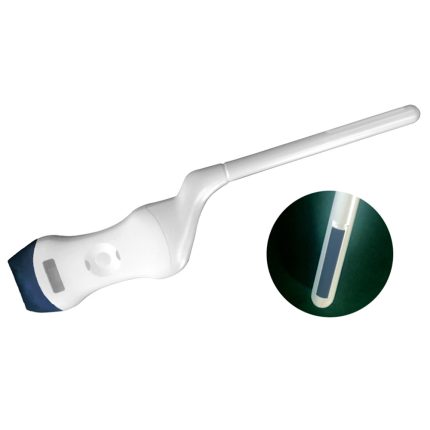


Conseils d’experts
Échangez avec un spécialiste des échographes
Décrivez votre pratique quotidienne à Suresult et recevez une recommandation personnalisée d’échographe accompagnée d’un devis tout compris.
- Conseils gratuits pour choisir votre échographe — sondes, fréquence et profondeur adaptées à vos interventions
- Devis tout compris — livraison, dédouanement et taxes applicables inclus
- Livraison rapide — expédition sous 24 heures, livraison à domicile en 1–7 jours
- Logiciel utilisable sans abonnement obligatoire — applications iOS, Android et Windows incluses
- Retours sous 30 j et assistance 24 h/24, 7 j/7
Le chat en direct s’ouvre ici même — sans formulaire ni attente.
