


クイックアンサー
Butterfly iQ3は、クラウドを中心に活用する優れたPOCUSプラットフォームですが、すべての診療施設にとって必ずしも最適な選択肢ではありません。
- Butterfly iQ3を選ぶのは、 完成度の高いアプリ、クラウドでの運用、教育ツール、AI機能、幅広いPOCUSプリセットをチームが重視する場合です。
- Suresult D3Ultraを比較するのは、 初年度の総保有コスト、iOS / Android / Windowsを柔軟に利用できること、ソフトウェアのサブスクリプションが必須ではないことを、より重視する場合です。
- Vscan AirまたはLumifyを比較するのは、 購入者が、病院で実績のある超音波診断のエコシステムを希望する場合です。
- Clariusを比較するのは、 高周波検査や専門領域の検査に特化したワイヤレスプローブを主に必要とする場合です。
- 本体価格だけで購入を決めないでください。 注文前に、メンバーシップ、保存・エクスポート機能、対応デバイス、保証、地域別の配送条件を比較してください。
最適な対象: クラウドを中心にPOCUSを活用するチーム確認事項: メンバーシップとデバイスの運用フロー比較対象: D3Ultra、Vscan Air、Lumify、Clarius
Quick List: Butterfly iQ3の代替機種を候補に絞る方法
Butterfly iQ3
メンバーシップ、デバイス、運用フローの制約に対応してでも、Butterflyのクラウド、AI、教育のエコシステムを活用する価値があるとチームが判断する場合に選びます。
Suresult D3Ultra
クラウド中心のプラットフォームよりも、予測しやすい総保有コスト、iOS/Android/Windowsでの利用、ローカルでのエクスポート運用を重視する場合に比較します。
Vscan Air / Lumify
調達担当者が馴染みのある大手メーカーを希望し、従来型のプラットフォーム選定を受け入れる場合は、これらを候補に入れてください。
Clarius
幅広い用途を1本でカバーするオールインワンプローブよりも、専用のワイヤレススキャナーと、専門領域向けの洗練されたアプリの使い勝手を重視する場合は、Clariusを比較してください。
次の条件に当てはまる場合は、Butterfly iQ3を購入してください
- 所有コストの安さよりも、洗練されたクラウドとアプリのエコシステムを重視しています。
- 利用者が、対応するモバイル端末を中心とした操作に慣れています。
- 単一のハンドヘルドプラットフォームで、幅広いPOCUS用途に対応したいと考えています。
もし~なら、よく比較してください
- DICOM/PACS、画像保存、教育、レポート作成、チームのワークフロー機能が必要で、これらの機能はメンバーシップのプランによって利用可否が異なる場合があります。
- クリニックでAndroid、iOS、Windowsの端末を併用しています。
- 米国外で、輸入諸費用を含む総額を事前に把握する必要があります。
次の条件に当てはまる場合は、Suresultをご検討ください
- ハンドヘルド超音波装置に求める条件は、 必須のソフトウェアサブスクリプションがないこと.
- Windows、Android、iOSでソフトウェアを利用したいと考えています。
- スキャナー価格にソフトウェアが含まれ、納品条件が明確な購入形態を希望しています。
| 購入者からの質問 | Butterfly iQ3 | 比較すべき項目 |
|---|---|---|
| どのような方に最適ですか? | クラウドを中心としたエコシステム、トレーニングコンテンツ、AIツール、1本のプローブで対応できる利便性を重視するクリニックやPOCUSプログラムに適しています。 | 所有コストの分かりやすさと、表示端末を幅広く選べる柔軟性を求める個人開業のクリニックでは、D3Ultra、Lumify、Vscan Air、Clariusという選択肢を比較してください。 |
| 公表価格の目安 | Butterflyの公表価格は、iQ3が$3,899、Core Technologyが$299/年、Advanced Technologyが$420/年です。提供されている地域では、Advancedの一括払いオプションが$1,500で利用できます。 | 本体価格だけで判断せず、初年度の費用、ソフトウェアの更新費用、保存・エクスポートの要件、保証、地域ごとの納品条件を比較してください。 |
| 表示端末を使ったワークフロー | Butterflyは、iOSとAndroidの互換性要件および対応端末の一覧を公開しています。 | クリニックでWindowsタブレット、共用ワークステーション、複数種類の端末を使う診察室を運用している場合は、購入前にワークフローを確認してください。 |
| 臨床での位置付け | 幅広いPOCUS用途への対応を強みとし、成熟したソフトウェアエコシステムを備えています。 | 用途が限定された画像診断では、圧電結晶を用いた専用のリニアプローブ、フェーズドアレイプローブ、または多用途プローブの方が適している場合もあります。 |
Butterfly iQ3の価格とメンバーシッププラン(2026)
米国でのButterfly iQ3の価格は$3,899です, 3年間の保証が含まれ、Butterflyのメンバーシップとセットで販売されています。Core Technologyは年間$299、Advanced Technologyは年間$420、または5年間のソフトウェア利用権を含むAdvanced Technologyの一括払いが$1,500です。価格の出典は Butterflyの価格ページ, 確認日は2026年10月8日です。
| 項目 | 価格 | 含まれる内容 |
|---|---|---|
| iQ3プローブ | $3,899 買い切り | 3年間の保証;iQまたはiQ+の下取りで最大$1,500の購入クレジット |
| Core Technology | $299/年 | 20+の臨床用途、M-Mode、Color Doppler、容量無制限のクラウドストレージ、Butterfly Academyの講座 |
| Advanced Technology | $420/年 | Coreに加え、パワードプラ、パルスドプラ、iQ Slice、iQ Fan、Biplane、Needle Viz、AIツール(Auto Bladder Volume、Auto B-Lines) |
| Advanced Technology、買い切り | $1,500 | 高度な機能を5年間のソフトウェア利用権付きで利用でき、継続料金はかかりません |
| 組織向けプラン: Starter、Professional、Enterprise | お見積もり | 複数ユーザー向けプログラム:患者記録・アーカイブとの連携、検査ワークシート、検査へのタグ付け、プログラム管理用ダッシュボード |
1ユーザーあたりの5年間の費用
| 構成 | 初年度 | 5年間の総額 |
|---|---|---|
| iQ3 + Core Technology | $4,198 | $5,394 |
| iQ3 + Advanced Technology、年払い | $4,319 | $5,999 |
| iQ3 + Advanced Technology、買い切り | $5,399 | $5,399 |
| Suresult D3Ultra(1本のプローブにコンベックス、リニア、セクタを統合) | $3,200 | すべての画像モードと2年間の保証付きで$3,200 |
Butterfly iQ3の概要
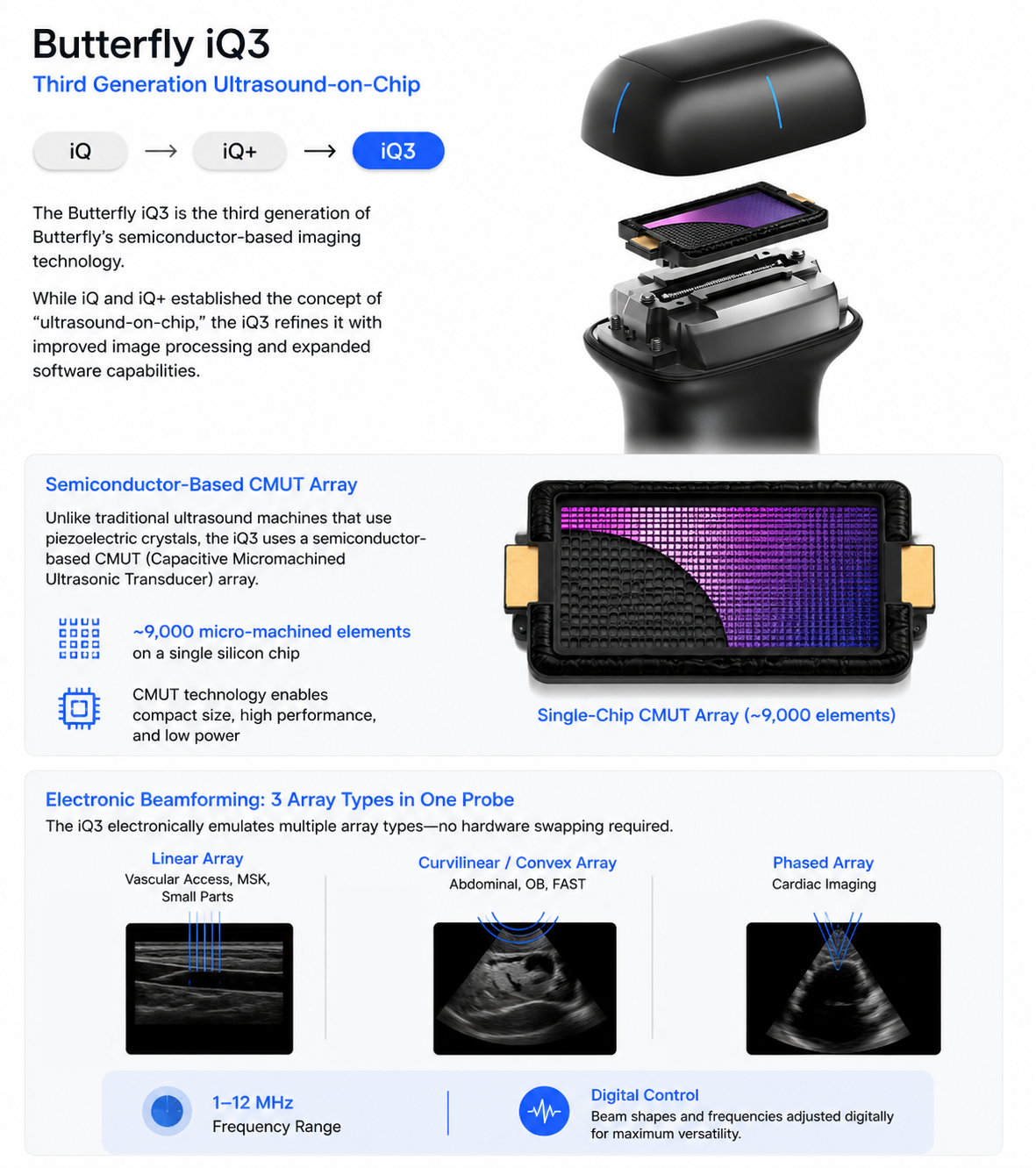
Butterfly iQ3 は、従来のiQおよびiQ+に続く、Butterflyの半導体ベースの画像化技術の第3世代に当たります。従来モデルが「チップ上での超音波画像化」という概念を確立したのに対し、iQ3では画像処理の改善とソフトウェア機能の拡充により、その技術をさらに進化させています。
圧電結晶を使用する標準的な超音波装置とは異なり、iQ3は、単一のシリコンチップ上に約9,000個の微細加工素子を配置した半導体ベースのCMUT(静電容量型微細加工超音波トランスデューサ)アレイを使用しています。これにより、プローブは以下の方式を電子的に再現できます:
- リニアアレイ(血管アクセス、筋骨格、小臓器の検査用)
- 曲面/コンベックスアレイ(腹部、産科、FAST検査用)
- フェーズドアレイ(心臓の画像化用)
これにより、プローブを物理的に交換せずに、1-12 MHzの周波数とビーム形状をデジタルで切り替えられます。
iQ3の主な機能:
- 多彩な画像モード: B-Mode、M-Mode、Color Doppler、パワードプラ、PW Dopplerに対応しています(注:一部のモードには上位のサブスクリプションプランが必要です)。
- 有線データ接続: プローブには専用バッテリーが内蔵されており、ワイヤレスで充電しますが、データはUSB-CまたはLightningケーブルで転送します。
- 高度なガイド機能: Needle Viz™やバイプレーンイメージング(長軸断面と短軸断面をリアルタイムで同時に表示できる機能)などのツールは、超音波ガイド下の手技に大きく役立ちます。
- AIを活用したツール: iQ Slice™とiQ Fan™は、ボリュームデータの取得を自動化し、振動や視覚的なフィードバックによって、初心者が最適な音響窓を見つけられるように設計されています。
- 包括的なプリセットライブラリ: 高周波による血管アクセスから深部の心臓・産科超音波検査まで、幅広く対応する25種類以上の臨床プリセットを備えています。
- クラウド中心のワークフロー: 検査データをButterfly Cloudへ自動アップロードし、ピアレビュー、品質保証、請求業務とのシームレスな連携を実現します。
Butterfly iQ3はあなたに適していますか? (簡単チェック)
詳細な技術レビューに入る前に、まずは簡単な自己評価をしてみましょう。iQ3は優れた機器ですが、すべての臨床医や診療施設に適しているわけではありません。
以下のいずれかに当てはまるか確認してください:
- Androidを使いこなすユーザー(特に北米以外): iQ3が対応するのは、Snapdragonを搭載したフラッグシップスマートフォンの限られた機種のみで、主に米国・カナダ向けモデルです。Exynosチップを搭載したSamsung、Xiaomi、OnePlus、または北米向け以外のほぼすべてのフラッグシップ機種を使用している場合、お使いの端末では動作しないことや、発売後も数か月にわたり対応しないことがあります。
- 処置を行う臨床医: 主な用途が超音波ガイド下の中心静脈カテーテル留置、神経ブロック、関節内注射である場合、 有線ケーブル は実際に大きな問題となります。清潔野を損なったり、スマートフォンの充電ポートを破損したりするリスクがあり、「オールインワン」の利便性を上回る不利益をもたらします。
- 予算を重視する個人開業の診療所: 初期費用$3,899にAdvancedメンバーシップ(パルスドプラとAIツールの利用に$420/年)を加えると、 5年間の総所有コスト は$5,999に達します。基本的な血管または筋骨格系の画像診断のみを必要とする診療施設では、サブスクリプション不要の圧電結晶方式の代替機種のほうが、長期的な投資収益率に優れています。
- 検査件数の多い大学病院: 数十人分の個別ユーザーアカウントを認証し、すべてのモバイル端末を承認済みハードウェア一覧に適合させ、すべての画像をPACSに到達する前に専用クラウド経由で転送することは、 規模の拡大に対応しにくい管理・IT上の負担となります. Butterflyのエコシステムへの依存は、運用チームが実感する業務上の支障を生みます。
これらのいずれかに当てはまる場合、iQ3は最適な選択肢ではない可能性が高いです。 まずは以下の推奨機種セクションをご覧いただき、 ご自身のワークフロー、端末、予算により適した代替機種を確認してください。
各制約の技術的な詳細を含め、その理由を詳しく知りたい方は、このまま下へスクロールして詳細レビューをご覧ください。
Butterfly iQ3レビュー: 購入前に確認すべき実用上のトレードオフ
仕様上の性能は優れていますが、Butterfly iQ3の運用面・臨床面におけるいくつかの制約は、マーケティングでは十分に強調されていないことが多いです。以下は、購入前に慎重に検討すべき点です。
1. 有線設計が診療現場での柔軟な使用を制限
携帯性の高さをうたっていますが、iQ3はワイヤレス機器ではありません。データ伝送には、スマートフォンまたはタブレットとの物理的なケーブル接続が必要です。これにより安定したデータ伝送が得られる一方、機械的な制約や処置上の制約が生じます。
A- 人間工学的な使いにくさ:
臨床的な観点では、物理的なケーブル接続によって以下の問題が生じます:
- 狭い処置スペースでは、プローブの角度調整が制限されます。
- 走査しにくい患者体位では、身体への負担が増します。
- 心臓の断面描出や肺のスイープ走査など、プローブを動かす検査では、ケーブルの引っ張り抵抗が加わります。
例えば、混雑した外傷初療室でFAST検査を行う場合や、可動性が制限された患者に心エコー検査を行う場合、ケーブルがベッド柵、点滴ライン、臨床医自身の衣服に絡まることがあります。
B- 摩耗と損傷:
ケーブルの頻繁な抜き差しは、プローブと接続先端末の充電ポートの両方にかかる機械的負荷も増大させます。臨床現場で毎日使用するタブレットやスマートフォンでは、この「ポートの摩耗」がハードウェア故障の最初の原因となることが多く、高価な表示用端末が使用不能になるおそれがあります。
C- 本体の重さ:
接続先端末から電力を供給される一部の競合機種( GE Vscan Air)とは異なり、iQ3はバッテリーを内蔵しています。そのため、本体が重くなっています(300g/0.66 ポンド)。スマートフォンのバッテリー持続時間を確保できる一方、プローブの重量とケーブルの抵抗が合わさることで、長時間の走査や連続した回診では、操作者に大きな疲労をもたらすことがあります。
D- 汚染リスク:
無菌操作を要する処置(中心静脈カテーテル留置、区域神経ブロック、関節穿刺)では、ケーブルが非清潔なモバイル端末と清潔な処置部位の間で「汚染を媒介する橋渡し」となることがあります。
プローブ自体はカバーで覆えますが、そこから延びるケーブルが揺れて清潔野に入り込まないよう、細心の注意を払って管理する必要があります。これにより、ワークフローに余分な準備時間と複雑さが加わります。
E- 追加コスト:
運用上、ケーブルは消耗品です。時間の経過とともに、ケーブルの交換やコネクターの損傷が総所有コスト(TCO)を押し上げ、予期しない稼働停止を引き起こします。これらは初期調達時に見落とされがちな要因です。
2. Androidへの対応は限定的で、地域によって異なります
iQ3の最も重大でありながら十分に認識されていない制約の一つが、Androidとの互換性が極めて限定的であることです。
iQ3は、シリコンセンサーから得られる生データを画像に再構成する際、接続先端末のプロセッサーに大きく依存するため、高性能なチップセットと、安定した高帯域幅のUSB-C OTG接続を必要とします。その結果、対応範囲は比較的狭い 正式にサポートされているAndroid端末の「ホワイトリスト」。
A- SnapdragonとExynosの格差:
Butterflyは、よく知られているように、 海外向けSamsungモデルに対応していません 。対象は、Exynosチップセットを搭載したモデルです(世界各地で製造・使用されています)。性能要件を安定して満たすのは、Snapdragon搭載のフラッグシップモデル(主に米国・カナダ向けモデル)だけです。米国仕様のハイエンドなフラッグシップスマートフォンを所有していない場合、iQ3がまったく動作しないことがあります。
これは、公式リストに掲載されていないXiaomiやOnePlusなどのブランドの「Pro」や「Ultra」Android端末を使用する世界各国の臨床医にとって、大きな障壁となります。
B- 新しい端末への対応の難しさ:
対応ブランドの端末であっても、新発売のフラッグシップモデル(最新のGoogle PixelやSamsung Galaxyなど)は、すぐには対応しないことがよくあります。Butterflyアプリでは、エンジニアリングチームが個々のモデルを「検証」する必要があり、この作業には発売後6–8週間かかることがあります。
このように「接続すればすぐ使える」という汎用性が欠けている点は、より幅広いOS互換性を提供する競合製品と大きく異なります。
C- 大規模展開の制約:
運用面では、対応ハードウェアが狭い範囲に限られているため、大規模施設でiQ3を広く導入することが難しくなります。特に、海外や資源の限られた環境では、この問題が顕著です。
北米以外の施設では、すべてのユーザーに互換性のあるAndroid端末を配備することも大幅に難しくなる場合があります。この制約だけでも、特定のハードウェアに依存せず、より幅広い端末に対応する別のハンドヘルド超音波システムを検討する十分な理由になることがよくあります。
3. iOSを優先した機能提供とプラットフォーム間の格差
ButterflyはiQ3をクロスプラットフォームのソリューションとして販売していますが、AppleとAndroidではユーザー体験に明確な差があります。従来、Butterflyの開発サイクルはiOSを優先しており、Androidユーザーには最新の革新的なツールが欠けていることの多い「簡易版」のソフトウェアが提供されています。
A- iOS固有の機能
iQ3の高価格を正当化する根拠として挙げられる「目玉」機能の多くは、しばしば iOS限定、またはAndroidへの提供が大幅に遅れている機能. 具体的には、以下が含まれます:
- テレガイダンス (リアルタイムの遠隔臨床支援。)
- iQ Slice™
- iQ Fan™
- ボリュームデータ収集ツール
その理由は主に技術的なものです。Appleが厳密に管理するハードウェア環境では最適化が容易ですが、実際にはユーザー間で利用できる機能に格差が生じます。所属施設の方針、費用、個人的な理由でAndroidを選ぶ臨床医にとって、これはiPhoneユーザーと同じサブスクリプション料金とハードウェア費用を支払いながら、一部の機能しか利用できないことを意味します。
B- ワークフローの分断:
複数のユーザーが利用する医療現場では、これが「ソフトウェアのサイロ化」を生みます。例えば、ある臨床医がiOSでしか利用できない高度な走査ガイダンスに頼っている一方、同僚がAndroidを使用している場合、トレーニングや品質保証(QA)の手順が複雑になります。
すべてのユーザーが同じツールを利用できるとは限らないため、診療科の業務は臨床医が携帯しているスマートフォンに左右されます。
要するに、iQ3はプラットフォームを問わず同等に使える体験を提供していません。最上位の利用体験は、iOS端末でより安定して得られます。
4. 画質は向上していますが、用途によるばらつきは残っています
iQ3が従来機種から進歩していることは確かです。初代iQおよびiQ+と比べ、ノイズ低減とハーモニックイメージングは大幅に向上しています。ただし、こうした改善があっても、超音波の基本的な物理特性による制約を受けます。
従来のプローブは、特定の用途に合わせて物理的に最適化された圧電結晶を使用します。iQ3のシリコンセンサーは、ソフトウェアでこれらの結晶を「エミュレート」する必要があり、その結果として 画像そのものの忠実度におけるトレードオフ.
一般的なPOCUSの適応、FAST検査、膀胱スキャン、血管アクセス、基本的な肺の評価では、画質は概ね十分です。ただし、臨床医からは次の点で課題が報告されています:
- 深部組織の描出(例:BMIが高い患者で描出が困難な胆嚢)
- 詳細な心臓評価には、最適な深部到達性と時間分解能が必要です。
- 初期の胆石や少量の心嚢液貯留など、コントラストの低い微細な病変。
診断に十分な画質を得るために、ゲイン、深度、プリセットの調整に追加の時間を要することがあります。これにより、特に経験の浅い検査者では検査時間が長くなります。
運用面では、ハンドヘルド機器で複数の専用プローブを代替することを想定していても、難しい症例で性能が不十分であれば、臨床医は放射線科に正式なコンサルテーションを依頼せざるを得ません。これは、追加の機器を使わずにベッドサイドで迅速かつ確定的な答えを得るという、POCUSの主な目的を損ないます。
5. Butterflyのサブスクリプションモデルと長期的な費用の増加
iQ3の最も大きな障壁の1つは、 サブスクリプションへの加入が必須であることです。ハードウェアの初期費用は $3,899 は導入時の費用にすぎず、この装置は物理的なハードウェアに結び付いた「サービスとしてのソフトウェア」(SaaS)として機能します。
クラウドストレージなどの追加機能を任意のプランで提供する競合製品(GE Vscan Air)や、買い切りで永続的に使用できる製品(Suresult)とは異なり、Butterflyで基本的なライブ画像表示を超える機能を使用するには、サブスクリプションを継続する必要があります:
- Core ($299/年): B-Mode、M-Mode、Color Doppler、容量無制限のクラウドストレージが含まれます。PW DopplerとAIツールはAdvancedに含まれます。
- Advanced ($420/年、または5年間で$1,500の一括払い): パワードプラ、PW Doppler、Needle Vizに加え、Auto B-LinesやAuto Bladder VolumeなどのAIツールが追加されます。
- 組織向けプラン (Starter、Professional、Enterprise;価格は見積もりに基づきます): 複数ユーザーでの運用向けに、アーカイブおよび患者記録との連携、検査ワークシート、検査へのタグ付け機能が追加されます。
5年間所有した場合、単独ユーザーの総費用は $5,394から$5,999となります (詳しくは 価格表をご覧ください). これにより、iQ3と、ソフトウェアを永続的に利用できる従来の圧電結晶方式のハンドヘルド機器との価格差が縮まります。
運用面では、次のことを意味します:
- 調達担当者が更新、請求処理の適合性、利用可能な機能を管理する必要があるため、追加の計画が必要になります。
- 複数のユーザーが利用する臨床環境へ拡大するには、エンタープライズレベルのライセンスが必要です。
- 研修プログラムでは、予算の変動によりサブスクリプションのグレードを下げると、高度なツールへのアクセスが制限される可能性があります。
特に小規模な診療所や独立して診療を行う医療従事者では、年間料金が投資収益率に影響する可能性があります。
依存に伴うリスク:
臨床医の所属部門がサブスクリプションを更新しなかったり、個人開業医が収入の少ない月に直面したりすると、この装置は基本的なリアルタイム走査以外の用途では、実質的に「文鎮」になり得ます。ライセンスの失効によって緊急時に計測ツールや専用モードを使用できないことは、管理上の重大な責任問題となります。
6. クラウド依存の画像保存とCPTに関する記録作成の課題
Butterfly iQ3は、基本的に 「クラウド優先」の装置. 検査データのアップロード、アーカイブ、管理は、Butterflyのクラウドプラットフォームのみを通じて行われます。これにより複数のデバイス間でシームレスに同期できますが、ハードウェアは実質的にリモートサーバーの周辺機器となります。
地方の診療所、地下にある救急外来、訪問診療中など、接続状態の悪い場所で使用する場合、この依存関係は、購入時に見落とされがちなリスクをもたらします。
A- ローカル保存の極めて厳しい制限:
表示用のスマートフォンやタブレットに検査データを保存する従来のハンドヘルド装置とは異なり、iQ3はローカルストレージを一時的な「待機場所」として扱います。
画像をローカルで閲覧できるのは、 前に アップロードされるまでに限られます。Butterfly Cloudに送信されると、検査データはローカルキャッシュから削除されます。
後でその超音波画像を確認し、同僚や患者に見せるには、インターネットに接続して再ダウンロードする必要があります。「圏外」では、過去の検査データに実質的にアクセスできません。
B- 安定性とデータに関するリスク:
高解像度のPOCUSでは大量のデータが生成されます。静止画1枚のサイズは250KBから1MBで、シネループ(動画)は1秒あたり1–2MBを使用します。ファイルが大きくなるほどアップロードに失敗する確率が高まるため、Butterflyは1件の検査に大量の画像や動画を含めないよう明確に推奨しています。
Wi-Fi接続が不安定な場所では、20本のクリップを含む包括的なFAST検査のアップロードが容易に滞り、診療記録が不完全になったり、破損したりする可能性があります。
C- Androidの送信待ちボックスの制限:
前述のプラットフォーム間の違いは、ここで特に大きな不利益となります。 Androidユーザーは、iOSユーザーのように送信待ちボックス内の検査を開いて、保存した画像や動画、検査の詳細を一時的に閲覧することすらできません。
接続状態が悪く、検査データがアップロード待ちのまま滞っている場合、Androidユーザーはアップロードが成功するまで、データを確認したり、保存した画像や動画を見直したりする手段がありません。これはPOCUS検査にとって非常に大きな不利益です。
D- 30日間の「ロックアウト」ポリシー:
サブスクリプションの有効性を確認するため、Butterflyアプリはインターネット経由で認証の「ハンドシェイク」を行う必要があり、 30日ごと。災害救援用の機器セットや予備の救急用キットでよくあるように、機器が1か月を超えてオフラインのままになると、 スキャンが一切できなくなります.
装置はオンラインでライセンスを確認できるまで、実質的に使用不能になります。これは、緊急の超音波検査が必要になったまさにその瞬間に起こる可能性があります。
E- 保険請求および医療法務への影響:
診療運営の観点では、これらの制限は実質的な影響を及ぼします。 CPTコードに基づく診療報酬 (例:腹部の限定的な超音波検査の76705)を請求するには、医師は監査時に正式な報告書と永続的に保存された画像を提示できなければなりません。
ファイルサイズが原因でアップロードに失敗した場合や、サブスクリプションの失効または30日間のロックアウトによってデータにアクセスできなくなった場合、それらの検査について法的に診療報酬を請求できません。その結果、収益を得る能力と法的な「記録証跡」を維持する能力が、外部のサーバーと必須の年額料金に全面的に依存する、不安定な状況が生じます。
Butterfly iQ3を使用する際にこうした事態を避けるには、次の事項を計画する必要があります:
- 二次保存先での長期アーカイブ方針
- サービス契約が変更された場合のデータ取得に関する対応計画
7. PACS、DICOM、オフラインワークフローの制約
既存の病院の画像管理基盤との統合は、多くの購入者にとって重要な検討事項です。iQ3はクラウドベースのアーカイブに対応し、DICOMエクスポートの手段も提供していますが、そのワークフローは基本的に、ベンダー独自のエコシステム「Butterfly Link」を中心に構築されており、従来の病院中心のPACSアーキテクチャとは異なります。
A- 見えにくい連携コスト:
Butterfly Networkの公式ページでは現在、「Basic DICOM (PACS/MWL)」を 「追加購入可能な」 機能として、年間サブスクリプションに加えて提供しています(core、Advance、Enterpriseのすべてのプランが対象です)。つまり、病院の既存ネットワークへの接続は基本機能に含まれず、追加費用が発生します。
B- 中間に介在するクラウド層:
DICOMを有効にしても、 データをまずButterfly Cloudにアップロードしてから、Butterfly Linkを通じて病院のPACSへ「送信」する必要があります。これにより、障害が発生し得る箇所が1つ増えます。
- 通信接続が不安定な地方、巡回診療、災害地域、軍の展開先では、この依存関係が診療記録の作成や検査管理を複雑にする可能性があります。
- 厳格なサイバーセキュリティ手順や、外部ネットワークから物理的に隔離された「エアギャップ」ネットワークを採用している環境では、必須となる外部経由の通信が、セキュリティと運用上の大きな障壁となります。
- 施設が外部事業者を通じて検査データを保管している場合、その事業者との連携に追加の支障が生じる可能性があります。
- 運用面では、PACSとの直接連携を前提とするシステムと比べて、IT部門が連携計画、ファイアウォール設定、ユーザー管理に追加の時間を費やす必要が生じる可能性があります。
競合製品(Suresultなど)は、多くの場合、HIPPAに準拠した安全なローカル通信経路によるDICOMへの直接接続を提供しています。これにより、プローブは中間クラウドを介さずに病院のネットワークと直接通信でき、強く求められている分散型の管理を実現します。
8. ベンダーロックインと製品ライフサイクルへの懸念
iQ3は「ブラックボックス」の技術を用いた装置です。標準化された圧電部品ではなく独自のシリコンチップで動作するため、Butterfly Networkの継続的なソフトウェアサポートと財務の安定性に全面的に依存しています。これにより、ベンダーロックインが生じます:
iQ3プラットフォームの利用を決めると:
- 臨床検査のアーカイブはベンダーのクラウド環境内に保存されます。後から別のプラットフォームへ切り替える際には、複雑なデータ移行や再トレーニングが必要になる可能性があります。
- 「購入した」ツールへのアクセスは、変更されるサブスクリプションのプランによって左右されます。会社が各プランで利用できる機能を変更すると、それまで頼っていたツールにアクセスできなくなる可能性があります。
- ハンドヘルド技術の進化に伴い、旧世代のシリコンチップ方式に対するサポートの拡充が頭打ちになる可能性があります。標準コネクターを使用し、さまざまなソフトウェアプラットフォームで数十年にわたって使用できることも多い圧電結晶式プローブとは異なり、iQ3は閉じたシステムです。
医療現場での柔軟性の低下は、長期的な投資収益率(ROI)に測定可能な悪影響を及ぼします。
Butterfly iQ3の代替としておすすめのハンドヘルド超音波診断装置
Butterflyのエコシステムの制約が臨床ニーズに合わない場合に備え、有力な代替製品をご紹介します。これらの機器は、オールインワンのワイヤレス機器の利便性から、心臓検査や処置に特化した高精細な圧電結晶アレイまで、異なる技術的アプローチを提供します。
1. 幅広い診療場面でのPOCUSに対応する代替製品: Suresult D3-ウルトラ

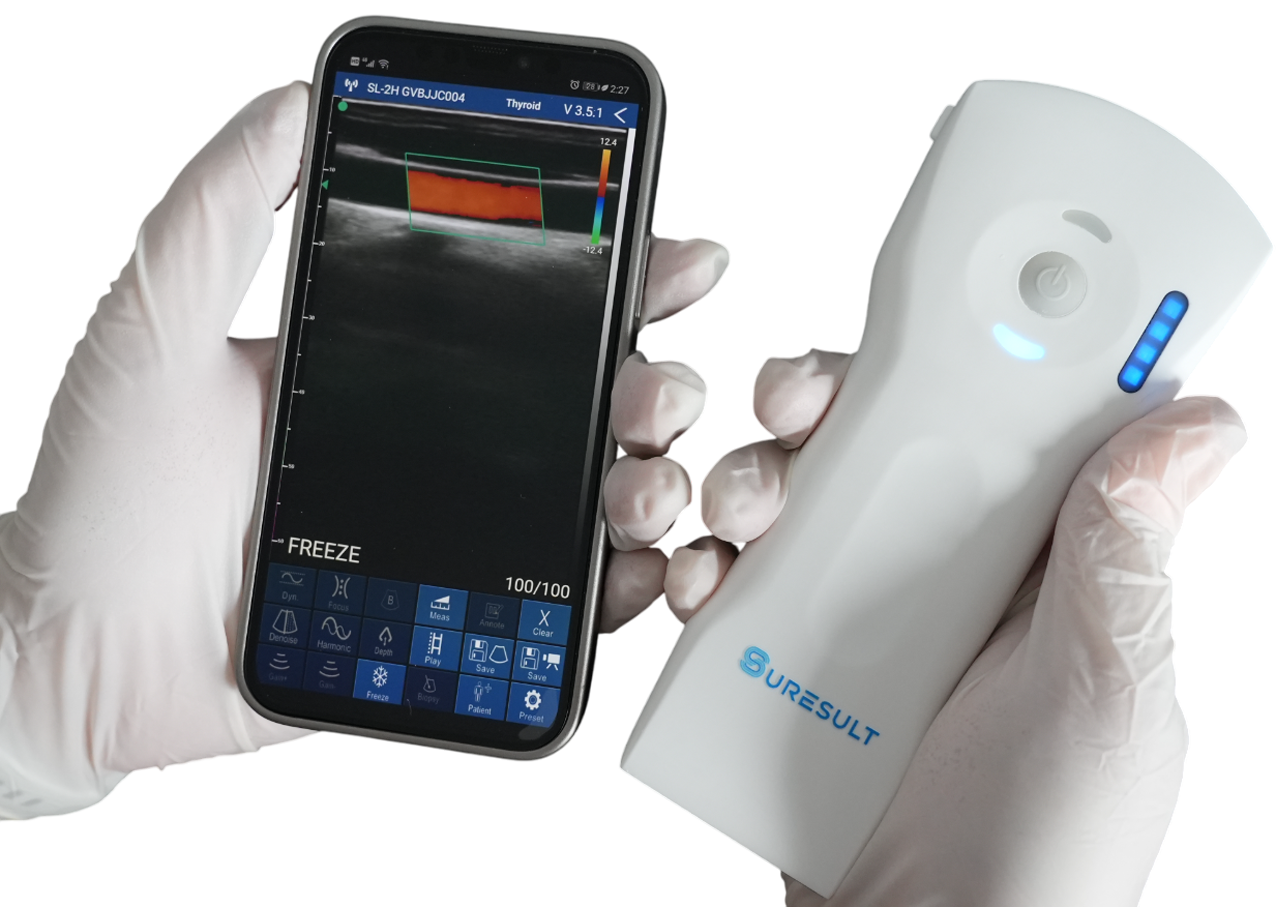
Suresult D3-Ultraは、コンベックス、リニア、セクタの機能を3モード構成に統合した、真のマルチトランスデューサー型ハンドヘルドシステムとして設計されています。半導体によるエミュレーションとは異なり、各用途に最適化された専用の周波数設定(3.2MHzから10MHz)を使用します。
主な特徴
- 完全ワイヤレスの自由度: D3-UltraはデュアルバンドWi-Fiで接続するため、ケーブルが不要で、接続先端末の充電ポートの摩耗を防ぎます。
- 圧電結晶による高い再現性: 192素子と64チャンネルにより、専用の据置型装置に匹敵するコントラスト分解能を提供し、初期世代のシリコンチップ方式のモデルを上回ります。
- 高度な画像調整機能: ゲイン、フォーカス、深度、8-TGC、ダイナミックレンジ、多段階のノイズ低減(0–4)を調整できるため、描出が難しい患者でも画像をきめ細かく最適化できます。
- 幅広い互換性: iOS、Android、Windowsでシームレスに動作し、Butterflyにはない高いプラットフォーム非依存性を提供します。
- 継続費用ゼロ: $3,200, すべて込みで、2年間の保証が付いています。年間サブスクリプション料金なしで、充実した画像モードとドプラ機能(B、M、Color、PW)、25以上のスマート計測機能、DICOM連携を利用できます。
心臓画像診断に特化するなら:Suresult CD2またはGE Vscan Air SL
心臓画像診断には高いフレームレートと深部への超音波の到達性が必要であり、これらの点では従来の圧電結晶センサーが今もシリコンセンサーより優れています。
A- Suresult CD2
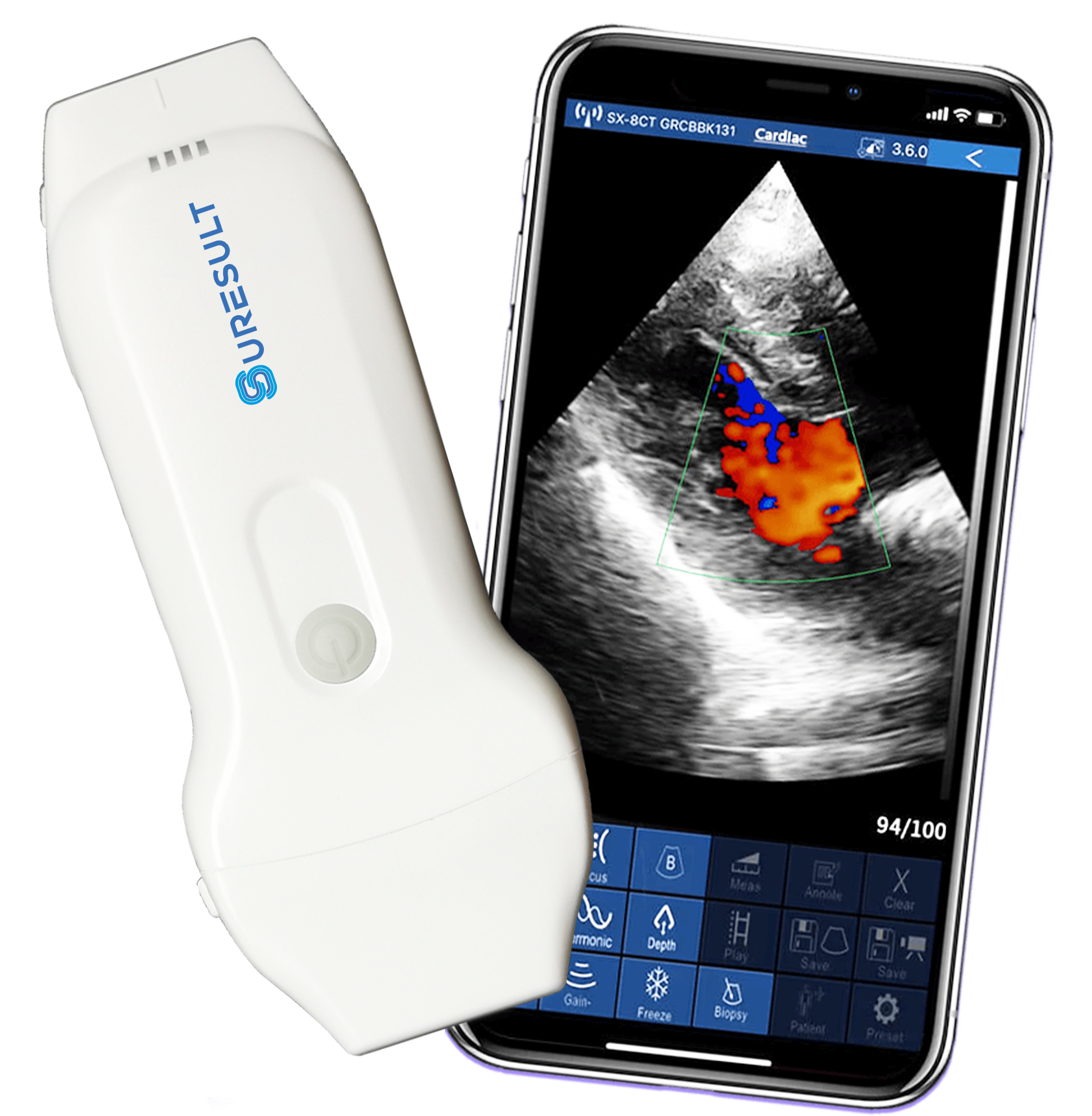

CD2は、片側にフェーズドアレイ、反対側にリニアアレイを搭載した2-in-1のワイヤレスハンドヘルド機器で、心臓と血管の両方を検査する用途に特に適しています。
主な特徴
- 充実したドプラ機能: B、B/M、Color Doppler、パワードプラ(PDI)、PW Dopplerを備え、サブスクリプションによる利用制限はありません。
- 豊富な心臓計測機能: LVIDd、LVIDs、EF、SV、PS、ED、TAMAX、TAMEAN、PI、RI、S/D比、血管径の計測に対応しています。これにより、基本的な心拍数のモニタリングにとどまらず、より体系的な心臓評価が可能になります。
- 小型・軽量: 重量150g、寸法126×53×19 mmで、多くの多機能プローブより大幅に軽く、焦点を絞った心臓検査中の疲労を軽減します。
- すべて込みの価格: $2,900には、充電器、ケース、送料、税金が含まれます。
B- GE Vscan Air SL
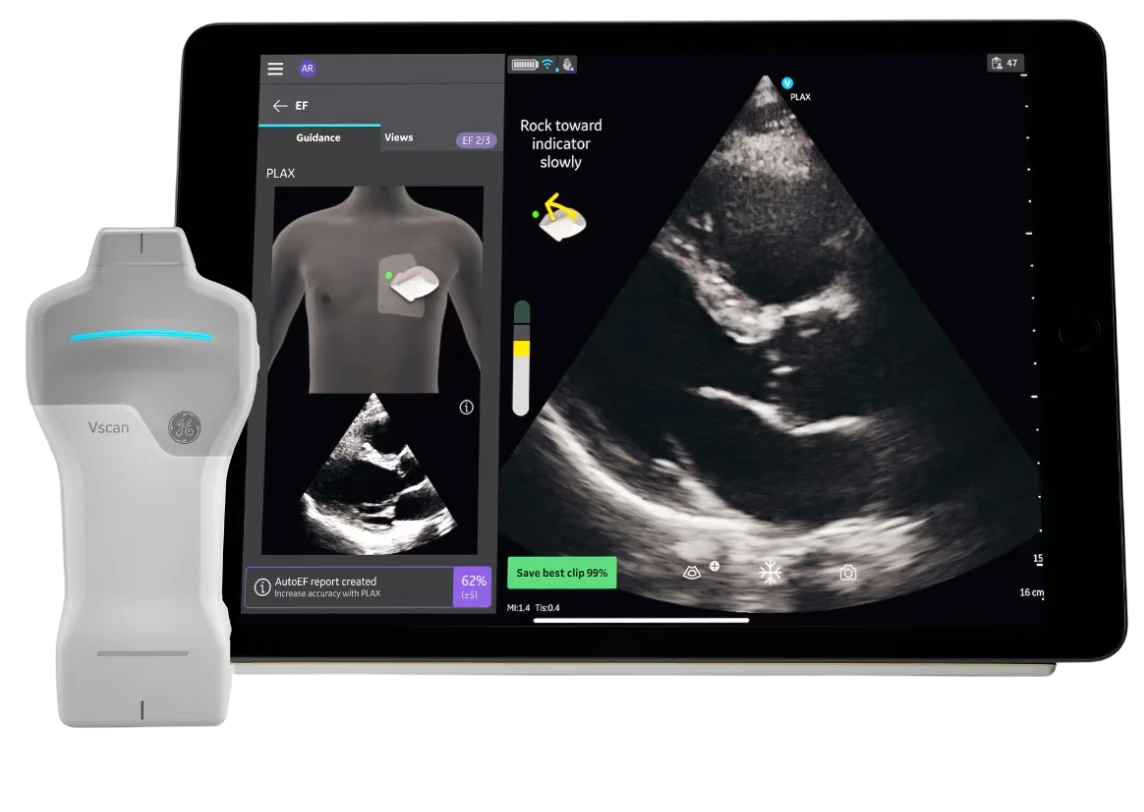
GEのフラッグシップハンドヘルド機器で、セクタ(フェーズド)アレイとリニアアレイを完全ワイヤレスのデュアルプローブ構成に組み合わせています。体系的な心エコー検査のワークフローを重視して設計されています。
主な特徴
- AIによる心エコー断面の描出支援 (Caption AI): 加入必須のGE Innovationsパッケージのサブスクリプションには、10種類の標準的な心エコー断面の描出を支援するAIによるプローブ操作ガイダンスが含まれます。断面が得られると、LVEFを自動計算します。
- 信号処理技術: SignalMax™+ XDclear™と、スペックルを低減するHD-SRI画像処理を搭載し、画像の鮮明さを高めます。
- ワイヤレスでの使用: 完全にケーブル不要で、充電パッドが付属します。1回の充電で約50分間スキャンできます。
- 価格面の考慮事項: AIによる自動化を重視する施設には優れた選択肢ですが、必須のサブスクリプション(約$500/年)を含めると、初期費用は$5,000を超えます。
筋骨格系(MSK)の評価と手技のガイダンスには: Suresult L10H ガイド
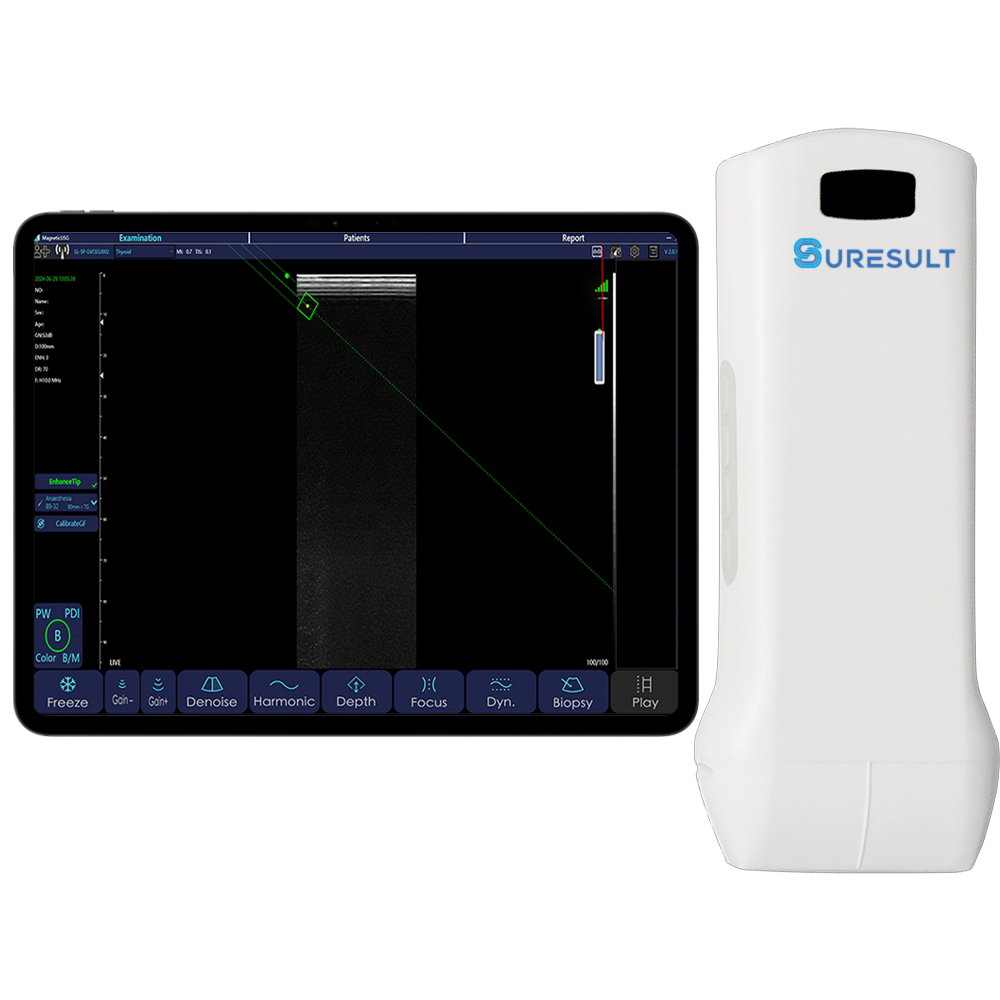
神経ブロックや血管確保などの手技には、精度と、余計なものがない処置スペースが求められます。 Suresult L10H ガイド は、こうした高い精度が求められる現場に特化して設計されており、特に穿刺針のガイダンスを重視しています。
主な特徴
- 高周波リニア画像: 192素子、32チャネルを備え、7.5/10 MHzで動作します。表在組織、腱、神経の描出や血管マッピングに最適化されています。
- 穿刺針の可視化ガイダンス: 磁気トラッキングを用いて、平行法および交差法で穿刺針をリアルタイムに可視化します。アプリに針の進路を表示し、生検、神経ブロック、血管確保、美容医療の手技の精度を高めます。
- 比類のないバッテリー持続時間: 5600mAhのバッテリーにより、5時間の連続スキャンが可能で、iQ3のほぼ3倍の持続時間を実現しています。
- 透明な価格設定: $2,500で全機能を利用できます。送料と税金が含まれます。30日間の返品受付期間が公表されています。
購入者に向けた結論: Butterfly iQ3の導入を最も納得して判断できるのは、チームがButterflyのクラウド中心のエコシステムを積極的に求めている場合です。購入者が主に求めているのが、費用を見通せる超音波装置の購入、ローカルでのエクスポート運用、複数種類のデバイスからの利用、またはソフトウェアのサブスクリプションが必須でないことであれば、導入の妥当性はそれほど明確ではありません。
よくあるご質問
Q. Butterfly iQ3 を使用するには、サブスクリプションが必要ですか?
はい。基本的なリアルタイム画像表示は可能ですが、M-Mode、PW Dopplerなどの臨床上不可欠な機能や、画像の保存・共有には有料会員プランが必要です。Coreは$299/年、Advancedは$420/年、または5年分の一括払いで$1,500です。有料プランがない場合、機能は「リアルタイム表示」のみのモードに制限されるため、サブスクリプションは総所有コスト(TCO)が高くなる重要な要因です。
Q. Butterfly iQ3は、どの携帯電話でも使用できますか?
いいえ。Butterflyは、対応デバイスを厳格な「ホワイトリスト」で管理しています。Androidユーザーが利用できる機種は、主に米国・カナダ向けのSnapdragon搭載フラッグシップモデルに限られます。海外向けモデル(SamsungのExynosチップセット搭載機種など)は、特に非対応となっています。また、新発売のスマートフォンがアプリで正式にサポートされるまで、6–8週間の「検証待ち期間」が生じることがよくあります。
Q. iQ3は、結晶系プローブよりも心臓画像診断に適していますか?
iQ3はiQ+から大幅に進化していますが、従来の圧電結晶センサーは、依然として概してコントラスト分解能と深部組織への透過性に優れています。心臓の描出が難しい音響窓では、シリコンチップ技術は、専用の圧電結晶式フェーズドアレイプローブの物理的特性と比べて、依然として「ノイズ」の影響を受けやすい場合があります。
Q. Butterflyのサブスクリプションを解約すると、保存した画像はどうなりますか?
サブスクリプションが失効すると、Butterfly Cloudに保存した画像にアクセスできなくなるリスクがあります。医療従事者は医療監査の際、請求した検査の妥当性を示すために保存画像を提出できる必要があるため、これはCPTコードに基づく診療報酬請求において、法務面と事務面で重大な障害となります。
Q. Butterfly iQ3のバッテリーは交換できますか?
いいえ。iQ3は内蔵型リチウムイオンバッテリーを使用しており、ユーザー自身で取り外したり交換したりすることはできません。高頻度で使用するとバッテリーの性能は2–3年で自然に劣化するため、機器の寿命には限りがあります。バッテリーが故障すると、通常は機器全体を専門業者に修理してもらうか、本体ごと交換する必要があります。
Q. ButterflyのDICOMおよびPACS連携はどのように行われますか?
DICOMを標準機能として提供する多くの競合製品とは異なり、ButterflyではDICOM/PACSへの転送が、年間サブスクリプションとは別に購入する追加オプションとして扱われることがよくあります。また、ローカル環境での直接接続には対応しておらず、画像を病院のPACSに転送する前に、まずButterfly Cloudへアップロードする必要があるため、外部インターネット接続に依存します。
Q. Butterfly iQ3はWindowsタブレットに対応していますか?
いいえ。Butterflyアプリは現在、iOSと特定のAndroid端末にのみ対応しています。施設で電子カルテ連携や閲覧にWindowsタブレット(Surface Proなど)を使用している場合は、Windowsにネイティブ対応するSuresult D3-Ultraなどの代替製品を検討する必要があります。

